Iran war costs mount: $132 billion burden on US amid global economic shock
The U.S.-Iran conflict, which began in late February, spanned just over 15 weeks before a

Iran War Costs Mount: $132 Billion Burden on US Amid Global Economic Shock
Theindiapostdaily.com – The U.S.-Iran conflict, which began in late February, spanned just over 15 weeks before a preliminary peace deal was announced this week. Despite the agreement, the financial toll on the nation has grown substantially, with effects rippling across multiple sectors. The war’s conclusion came after months of escalating tensions and mounting pressure from both domestic and international fronts.
U.S. President Donald Trump declared on Monday that he and Vice President JD Vance had finalized the document ending hostilities with Iran. The strikes, initiated on February 28 by the U.S. and Israel, had already disrupted regional stability and triggered a cascade of economic consequences.
Broader Economic Impact
The total cost of the conflict to the United States is now estimated at approximately $132 billion, with final calculations pending as negotiations continue. This figure includes military expenditures, rising energy prices, and broader financial repercussions, according to Moody’s Analytics. The burden on taxpayers and consumers reflects not just immediate spending but long-term economic ripples, as noted by the firm’s chief economist, Mark Zandi.
“The conflict factors in military spending, rising energy and commodity prices, and interest rates,” said Zandi, as reported by the New York Times.
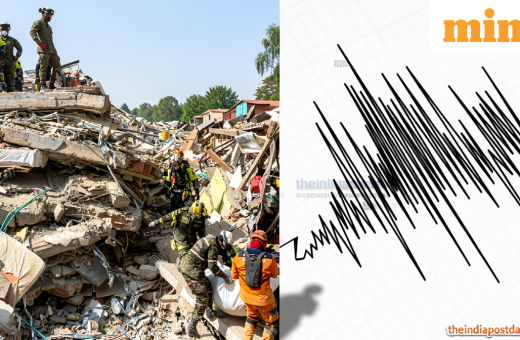
Additional costs stem from repairing U.S. infrastructure damaged by Iranian attacks, such as bases in the Middle East. Pentagon officials highlighted that military expenses alone reached $29 billion, excluding repairs for a dozen facilities targeted during the war. Linda Bilmes, a Harvard Kennedy School professor, emphasized that maintaining operational readiness also adds significantly to the financial strain.
“It costs a lot of money to just keep everyone and all this apparatus deployed there,” Bilmes remarked, per the NYT.
Replacements for munitions used in the conflict are expected to be far more expensive than initial procurement costs, further inflating the overall expenditure. Beyond military losses, Iran’s strikes also targeted civilian assets like a radar aircraft in Saudi Arabia and sections of the U.S. Embassy in Riyadh.
Energy Price Escalations
Since the conflict began, American households have paid an extra $460 on average for gasoline and diesel, totaling around $60 billion in additional spending. Fuel prices surged from $2.98 per gallon at the start to near $4 per gallon, according to AAA. These increases have permeated the broader economy, raising costs for transportation and goods.
Meanwhile, the international crude oil benchmark dropped following the peace agreement, stabilizing at roughly $80 per barrel. Earlier in March, prices had peaked at $120 per barrel, highlighting the volatility caused by the conflict.
Delayed Relief for Travel Costs
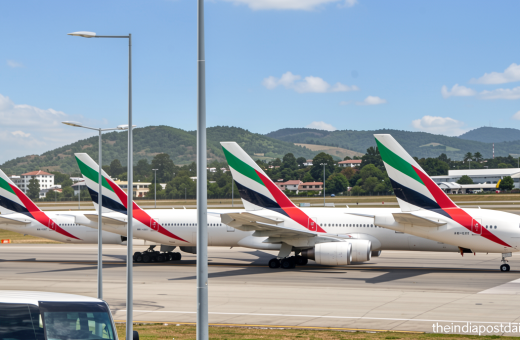
Industry analysts warn that airfares may not decline immediately even after the war ends. Airlines typically lock in fuel prices ahead of time, leading to gradual adjustments in operations and pricing strategies. “A retreat in flight costs is unlikely this summer,” predicted Columbia’s House, as per AP.
Some airlines outside the U.S. may see quicker price reductions through fuel surcharges, said Gordon Ho of USC’s business school. However, the full impact on ticket prices will likely take weeks or months to materialize, as the market absorbs the new economic realities.