Strait of Hormuz reopens after US-Iran peace deal: Oil flows resume, what it means for prices
Strait of Hormuz Reopens Amid US-Iran Accord: Oil Movement Resumes, Price Implications Unfold Strait of Hormuz reopens after US Iran - The Strait of Hormuz, a
Strait of Hormuz Reopens Amid US-Iran Accord: Oil Movement Resumes, Price Implications Unfold
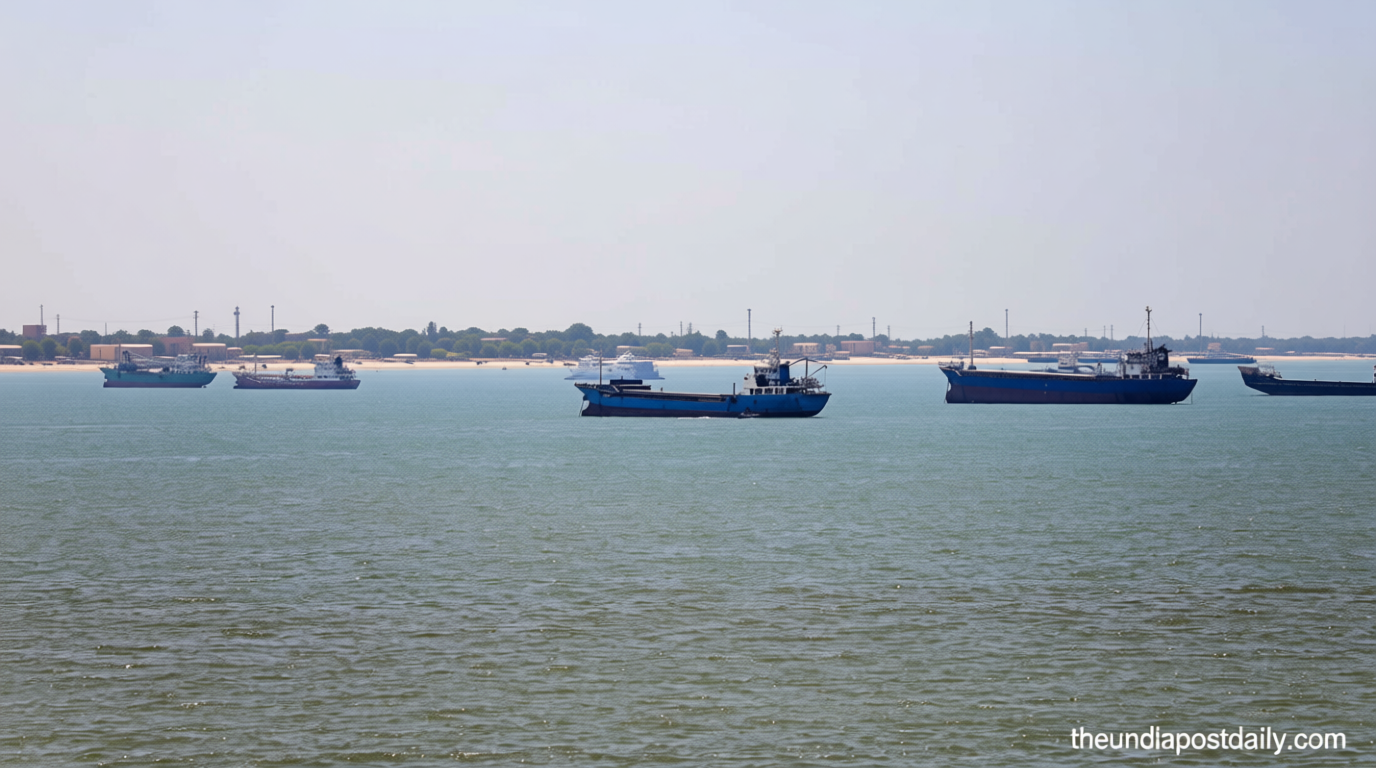
Theindiapostdaily.com – The Strait of Hormuz, a critical artery for global energy, has started to open following a temporary truce between the United States and Iran. This development has led to the first major movement of oil and gas tankers through the waterway in months, with supertankers, Qatar’s LNG carriers, and Iranian vessels navigating the channel again. The resumption of traffic signals a possible reduction in the tension that had previously blocked the passage, easing pressure on one of the world’s most strategic energy routes.
Key Factors Behind the Return of Traffic
The primary factor enabling the return of maritime traffic was the temporary agreement between the US and Iran. Under the deal, Tehran pledged to restore shipping to pre-war conditions within 30 days. This commitment was accompanied by several steps that eased logistical constraints:
- Iran agreed to reduce maritime barriers and allow vessels to enter and exit the Gulf more freely.
- The US lifted its economic sanctions on Iranian ports, removing a significant obstacle to trade.
- The Joint Maritime Information Center adjusted its threat assessment, lowering the risk level from “severe” to “substantial” in the area.
As a result, tankers that had been stalled in the Gulf for weeks began to depart, and major exporters like Saudi Arabia, the UAE, and Qatar resumed shipments, with tracking systems activated to monitor progress.
The Strategic Importance of the Strait
Strait of Hormuz is a global energy lifeline, linking the Persian Gulf to the Arabian Sea. Its narrowest point spans just 33 kilometers (21 miles), making it highly susceptible to blockages. Over 20% of the world’s oil supply transits this passage daily, with Saudi Arabia, Iraq, Kuwait, the UAE, and Iran relying on it for crude exports. Qatar, a top LNG producer, also depends heavily on the route for its natural gas shipments.
Any disruption in the strait can ripple through global markets, influencing freight costs and fuel prices. The waterway’s strategic value means even temporary closures have significant economic consequences.
Nations Most Impactfully Affected
Saudi Arabia, the world’s largest crude oil exporter, faced severe challenges due to the blockage. While it continued using its East-West pipeline to the Red Sea, exports through Hormuz were constrained, raising transport costs. Several Saudi tankers remained trapped in the Gulf during the crisis.
Qatar’s LNG exports were especially vulnerable, as most shipments traverse the strait. Prolonged closures could have disrupted supply to Asian and European markets. The UAE also experienced export bottlenecks, though some shipments found alternative routes. Kuwait and Iraq, with limited infrastructure beyond Hormuz, suffered disproportionately from the disruption. Iran, meanwhile, faced both operational setbacks and US port restrictions, with the reopening offering a chance to revive its energy revenue.
Oil Prices Respond to the Relief
Oil markets reacted positively to the easing of tensions, with prices dropping sharply. Brent crude futures fell $1.53, or 1.9%, to $78.02 per barrel, while US WTI crude declined $2.22, or 2.9%, to $74.57 per barrel. These declines marked the lowest levels since March 2 and March 4, respectively, following the initial strikes on Iran.
Analysts note that the strait’s reopening is typically seen as a negative for oil prices, as it diminishes fears of supply shortages. However, the market’s reaction suggests confidence is growing amid the restored flow.
Will Prices Continue to Decline?
Several factors are contributing to the downward trend in energy prices. Stranded oil cargoes are now reaching international markets, and exports from Saudi Arabia, the UAE, and Qatar are stabilizing. Iranian shipments may also increase once US sanctions are eased. Additionally, China’s recent reduction in crude oil purchases has further supported the price decline.
Despite these developments, shipping organizations and insurers remain cautious. Concerns about mine clearance, navigational risks, and the lack of a fully functional traffic management system continue to cast uncertainty over the long-term stability of the region.