Centre brings back standard edible oil pack sizes, phases out odd-sized packs
Centre Reintroduces Standard Edible Oil Pack Sizes Theindiapostdaily.com – The Indian government has taken a significant step by reintroducing standardized pack sizes for edible oils, a move aimed at enhancing…
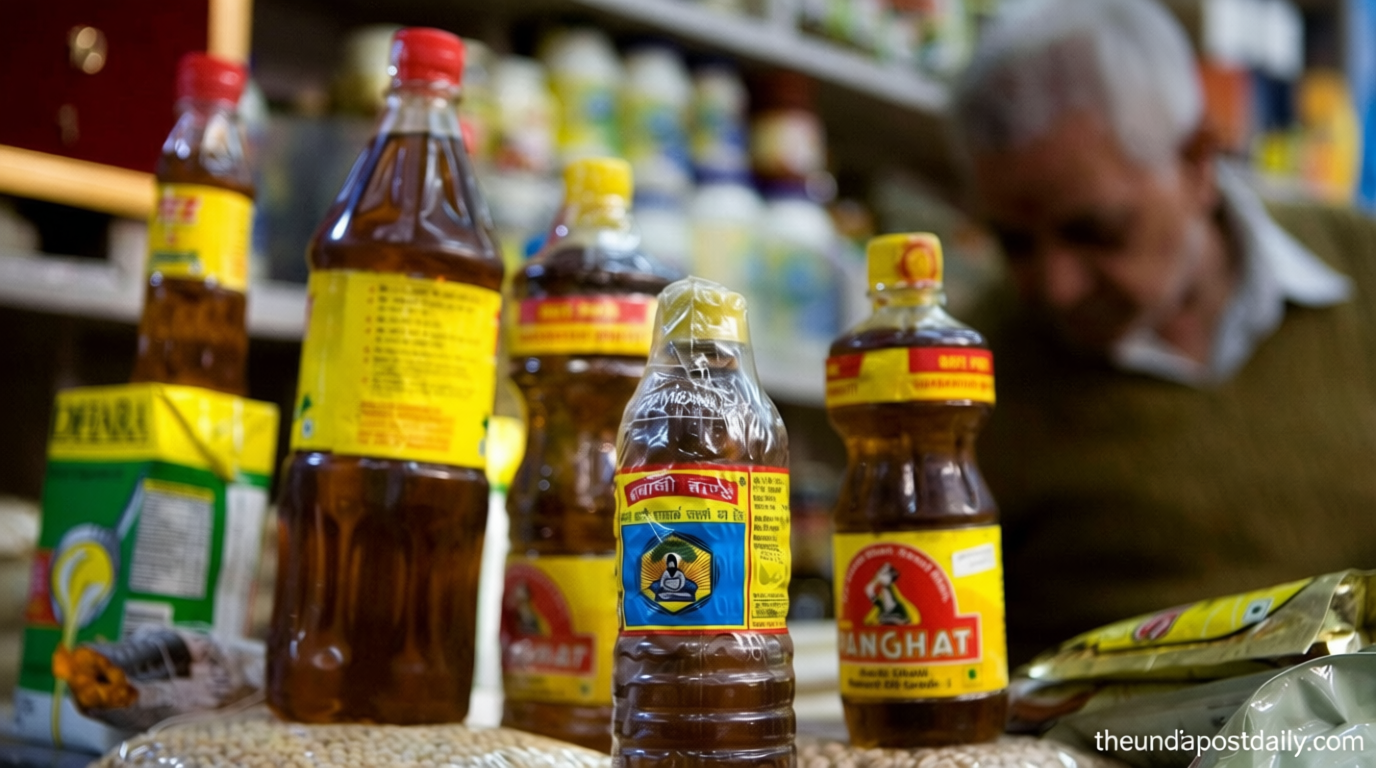
Centre Reintroduces Standard Edible Oil Pack Sizes
Theindiapostdaily.com – The Indian government has taken a significant step by reintroducing standardized pack sizes for edible oils, a move aimed at enhancing consumer convenience and streamlining market operations. This decision, which mandates compliance within three months, ensures that all edible oil producers, packers, and importers must adhere to predefined measurements. The focus keyword, “Centre brings back standard edible,” has been central to this policy shift, which addresses the long-standing issue of price comparison complexities caused by non-standard packaging sizes. By aligning with uniform dimensions, the government seeks to create a more transparent and efficient market for both consumers and businesses.
Regulatory Measures and Key Specifications
Under the new regulations, the Department of Consumer Affairs (DoCA) has established a clear framework for determining net quantities. The standardized pack sizes include 200 grams, 500 grams, 1 kg, 2 kg, 3 kg, 4 kg, 5 kg, 15 kg, and 20 kg, with corresponding volume equivalents such as 200 ml, 500 ml, and 15 litres. These sizes are designed to cover the majority of retail and commercial needs, while smaller packages under 200 grams or 200 ml remain unrestricted. The phased removal of unconventional sizes like 650 grams, 700 grams, and 870 grams will help reduce confusion and ensure consistency across the industry.
Industry stakeholders have been given a three-month window to adjust their packaging operations, which includes reorienting production lines and updating labeling systems. This transition period allows businesses to adapt without disrupting supply chains. The focus keyword, “Centre brings back standard edible,” is particularly relevant as it reflects the government’s commitment to simplifying the purchasing experience for consumers. By standardizing these sizes, the policy not only addresses immediate consumer concerns but also lays the groundwork for long-term market stability.
Industry Collaboration and Consumer Advocacy
The policy was finalized following a meeting led by Consumer Affairs secretary Nidhi Khare on 20 May, where industry bodies and consumer representatives agreed on the necessity of standardization. The Indian Vegetable Oil Producers’ Association (IVPA), among others, supported the move, acknowledging its potential to level the playing field and enhance market clarity. Mint had previously reported on the government’s plan to reintroduce these norms on 22 May 2025, highlighting the anticipation surrounding the implementation.
“Standardizing edible oil pack sizes is a consumer-friendly step because it makes it easier for buyers to compare prices and understand the actual value of the product they are purchasing,” said Ashim Sanyal, Chief Executive of Consumer Voice. This statement underscores the alignment between the Centre’s initiative and the broader goal of protecting consumer interests. Sudhakar Desai, IVPA President, added, “This move will restore structural sanity to retail shelves and level the playing field,” emphasizing the industry’s recognition of the policy’s benefits.
The change marks a reversal of previous regulations that allowed for more flexible, non-standard packaging formats. Industry leaders initially supported the relaxation of size constraints but later admitted that the lack of uniformity led to market confusion over three years. The reintroduction of standard sizes now aims to address these challenges, ensuring that both consumers and businesses can make informed decisions based on consistent measurements.
Market Dynamics and Consumption Trends
Edible oil continues to play a vital role in India’s food supply chain, with the country heavily reliant on imports to meet domestic demand. According to the Solvent Extractors’ Association of India, imports increased by 3% to 16.65 million tonnes in 2025-26, underscoring the sector’s significance. The Centre’s decision to standardize pack sizes comes at a time when consumption has grown substantially, rising from 24.6 million tonnes in 2020-21 to 28.9 million tonnes in 2022-23. This surge in demand highlights the need for a more organized and predictable market structure.
A 2024 report by NITI Aayog revealed that per capita consumption of edible oil has more than doubled in two decades, reaching approximately 19.7 kg annually. With the market valued at $4.39 billion in 2024 and projected to grow to $6.49 billion by 2030, the impact of standardized packaging on market growth cannot be overstated. The focus keyword, “Centre brings back standard edible,” is embedded in this context, as the policy is expected to improve operational efficiency and reduce costs for producers, ultimately benefiting consumers through better pricing transparency and reduced waste.
Implementation and Future Outlook
The implementation of the new standards requires coordinated efforts from the government, industry associations, and retail outlets. The three-month compliance period is intended to allow manufacturers to recalibrate their production processes and retailers to update their inventory systems. This transition period also provides an opportunity to educate consumers about the benefits of standardized sizes, which include easier comparisons, reduced price manipulation, and improved shelf-space utilization.
As the policy takes effect, it is anticipated that the market will see a decline in the proliferation of odd-sized packages, which have often created ambiguity for buyers. The Centre’s focus keyword, “Centre brings back standard edible,” aligns with this objective, as the initiative seeks to correct a three-year period of market fragmentation. Industry experts suggest that this move will not only streamline operations but also support sustainable growth by encouraging economies of scale and reducing packaging-related inefficiencies.