Switzerland population cap vote 2026: What it means for immigration, EU? What happens if it says yes?
Switzerland is set to hold a referendum on Sunday that may redefine its stance on
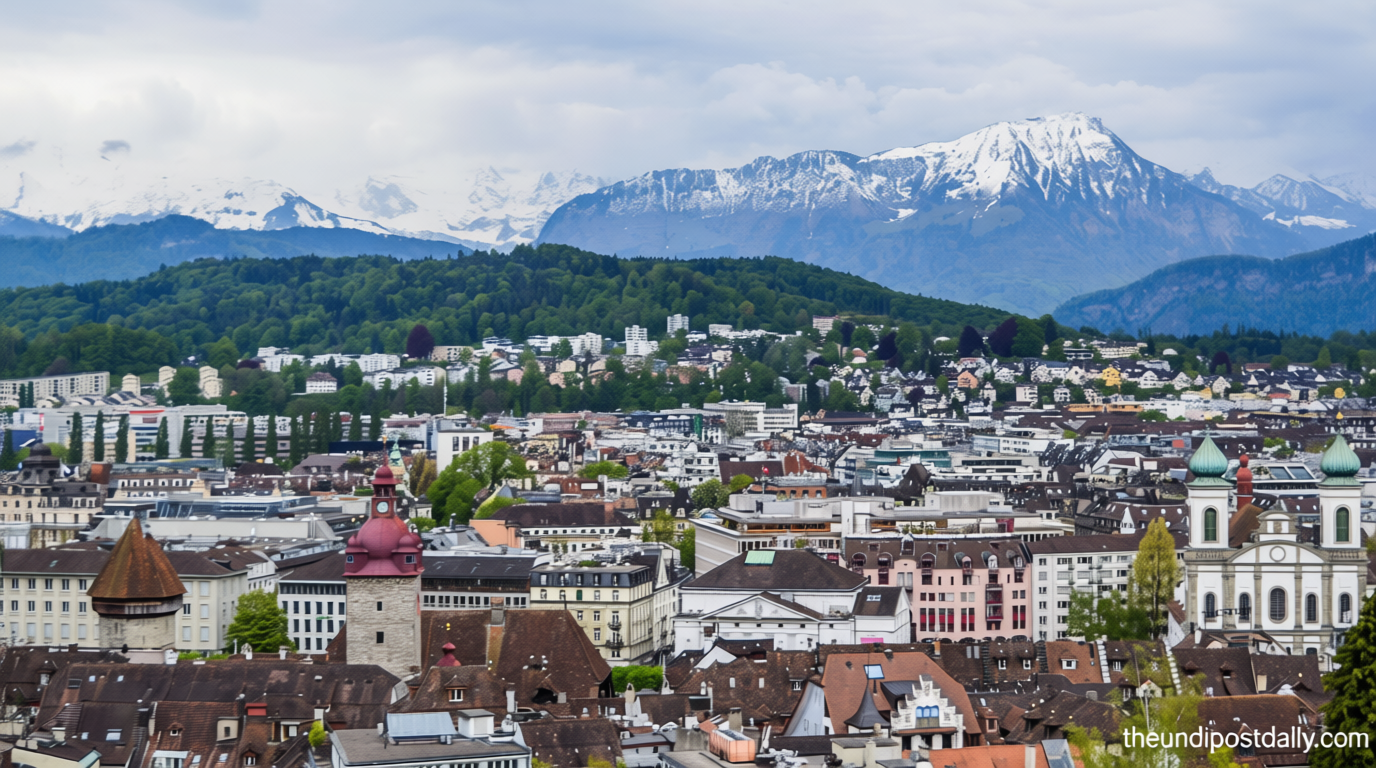
Switzerland Population Cap Vote 2026: Implications for Immigration and EU Relations
Theindiapostdaily.com – Switzerland is set to hold a referendum on Sunday that may redefine its stance on immigration and its ties with the European Union. The measure, which seeks to limit the nation’s population and enforce stricter immigration policies, has sparked debate over its impact on economic stability and international cooperation.
Key Provisions of the Referendum
The vote centers on establishing a legal population limit and requiring government action to maintain it until 2050. With a population growth of 10% over the past decade, reaching 9.1 million by the end of 2025, the proposal aims to address concerns about rapid demographic shifts.
As of 2024, 41% of Swiss residents have a “migration background,” encompassing immigrants and their descendants. Additionally, 32.5% of permanent residents are first-generation immigrants, while approximately 1.4 million EU citizens reside in the country, accounting for 16% of the total population. Around 340,000 EU nationals cross borders daily for work.
The Debate Over Population Control
Supporters argue the cap is essential to manage growth and prevent strain on public services, wages, and housing. Critics, however, warn that such measures could jeopardize decades of economic success. A recent poll indicated 52% of respondents oppose the cap, while 45% favor it, hinting at a closely contested outcome.
Right-Wing Advocacy and Concerns
The initiative is spearheaded by the right-wing Swiss People’s Party (SVP), which seeks to signal a shift toward more controlled immigration. SVP officials claim the cap would still permit 40,000 annual arrivals, addressing worries about unchecked expansion.
Piero Marchesi, a SVP lawmaker, highlighted challenges posed by population growth, including pressures on education, labor markets, and housing costs. “We must not take these conditions for granted,” said Nestle CEO Philipp Navratil at the Swiss Economic Forum, emphasizing the need to preserve Switzerland’s appeal to global investors.
Business Community Opposition
Switzerland’s corporate leaders strongly oppose the proposal, fearing it could harm the country’s economic competitiveness. Key concerns include reduced access to skilled foreign workers, which are vital in sectors like pharmaceuticals, technology, and healthcare.
“Switzerland’s prosperity relies on openness, innovation, and strong European ties,” stated Rudolf Minsch, chief economist at Economiesuisse. “Rigid immigration caps risk undermining these agreements, which are critical to our economy.”
Minsch argued that stringent limits might hinder growth and weaken Switzerland’s ability to attract international talent. The trade group also noted the nation’s reliance on foreign labor, warning of potential disruptions to innovation and market dynamics.
Broader Impacts on EU Relations
If approved, the cap could lead to the termination of Switzerland’s free movement agreement with the EU, affecting the ability of citizens from both regions to live and work in each other’s territories. This agreement, alongside participation in the Schengen zone, has facilitated labor mobility and economic integration.
The referendum highlights growing tensions between demographic expansion and economic priorities, with implications for Switzerland’s future role in European and global markets.