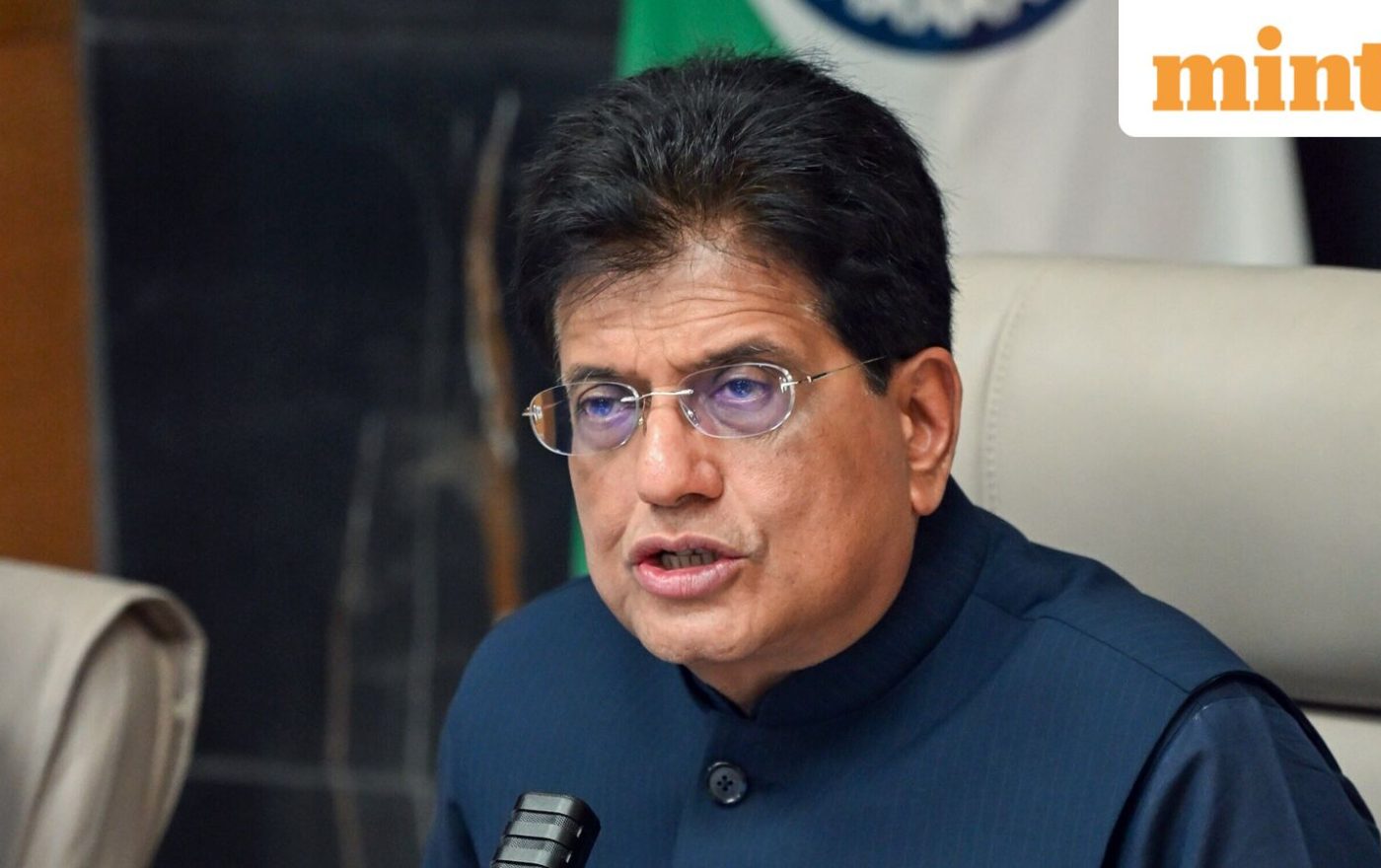
Trade pacts with developed economies to drive jobs, investments: Piyush Goyal
India's Trade Pacts with Developed Economies to Boost Jobs and Investments Theindiapostdaily.com – India’s strategic focus on expanding free trade agreements (FTAs) with developed economies is expected to significantly boost…
India’s Trade Pacts with Developed Economies to Boost Jobs and Investments
Theindiapostdaily.com – India’s strategic focus on expanding free trade agreements (FTAs) with developed economies is expected to significantly boost employment and attract foreign investments, according to Commerce and Industry Minister Piyush Goyal. At the recent India Global Innovation Connect summit, he emphasized that these trade pacts are critical for enhancing market access, fostering innovation, and integrating the nation into global supply chains. By aligning with advanced economies, India aims to leverage its competitive advantages in labor and manufacturing while promoting sustainable economic growth through investment-driven initiatives.
The Role of FTAs in Economic Transformation
Goyal highlighted the importance of FTAs as a cornerstone of India’s economic strategy, particularly in addressing the challenges of global competition and domestic industrial upgrading. He pointed out that such agreements enable seamless trade flows, reduce tariffs, and create a more predictable regulatory environment for businesses. By engaging with developed economies, India can unlock new opportunities in high-value sectors like technology, pharmaceuticals, and renewable energy, while also ensuring that its industries remain agile and competitive in the global market.
One of the key examples cited by Goyal was the India-European Free Trade Association (EFTA) Trade and Economic Partnership Agreement (TEPA). This pact, he explained, represents a significant step toward deepening economic ties with Europe. Countries such as Switzerland, Norway, Liechtenstein, and Iceland have committed to injecting $100 billion into Indian markets over the next 15 years, with a particular emphasis on generating 1 million direct jobs. Such investments are not just financial commitments but also strategic moves to align India’s growth trajectory with the priorities of its trading partners.
Complementarity Over Competition
Goyal argued that India’s approach to trade pacts with developed economies is based on complementarity rather than competition. He noted that while nations in Europe and North America face challenges such as aging populations and rising production costs, India offers a unique combination of a youthful workforce, cost-effective operations, and a rapidly expanding consumer base. This strategic alignment, he said, creates a win-win scenario for both India and its trade partners, as it allows for mutual growth and shared innovation in sectors where both parties can benefit.
India has already made notable progress in this direction, having concluded nine FTAs with 38 countries in the past three to three-and-a-half years. These agreements span a diverse range of industries, including agriculture, manufacturing, and digital services, and are designed to create a more favorable environment for trade and investment. Goyal stressed that these pacts are not just about opening markets but also about ensuring that India’s domestic industries can compete on a global scale through improved infrastructure, regulatory reforms, and access to cutting-edge technologies.
As part of its broader economic strategy, the Indian government has prioritized modernizing infrastructure to support the growth of trade pacts with developed economies. Initiatives such as a unified national power grid and advancements in renewable energy capacity have already made a measurable impact. Goyal noted that over 50% of India’s electricity generation now comes from renewable sources, which not only supports environmental sustainability but also positions the country as an attractive destination for data centers and technology-driven ventures. This shift underscores India’s commitment to being a global leader in green innovation and economic efficiency.
Furthermore, Goyal called for strengthening India’s innovation framework, citing the government’s recent allocation of ₹1 lakh crore for research and development. He emphasized that this funding is aimed at accelerating breakthroughs in key sectors, including artificial intelligence, biotechnology, and clean energy. By investing in innovation, India can ensure that its trade pacts with developed economies are not just transactional but also transformative, enabling long-term competitiveness and shared technological progress. The minister also reiterated India’s dedication to maintaining a rules-based global trading system, which is essential for fostering trust and collaboration among nations.