US Iran War News LIVE: Houthi moves to ban Israeli maritime navigation in the Red Sea
US Iran War News LIVE: Houthi Moves to Ban Israeli Maritime Navigation in the Red Sea Theindiapostdaily.com – As the **US Iran War News LIVE** update unfolds, the ongoing conflict…
US Iran War News LIVE: Houthi Moves to Ban Israeli Maritime Navigation in the Red Sea
Theindiapostdaily.com – As the **US Iran War News LIVE** update unfolds, the ongoing conflict in the Middle East reaches a critical juncture on its 100th day, with new developments in the Red Sea intensifying fears of a broader regional confrontation. The Houthi group, a key player in the complex web of tensions involving Iran and Israel, has announced a blockade targeting Israeli maritime activity in the strategic waterway. This move comes amid escalating hostilities, as the United States continues to advocate for a ceasefire while regional actors push for more aggressive postures.
Escalation in the Red Sea: A Strategic Shift
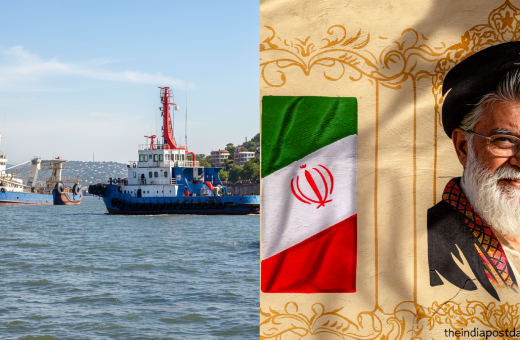
The Houthi decision to restrict Israeli navigation in the Red Sea is a calculated response to recent Israeli strikes on Iranian interests in Lebanon and Syria. These attacks have drawn sharp criticism from Iran, which has accused Israel of undermining the fragile peace deal brokered by the U.S. and its allies. The Houthi move not only disrupts shipping routes vital to global trade but also signals a shift in the conflict’s dynamics, with non-state actors taking a more active role in direct confrontations.
“The Red Sea is a critical artery for energy and commerce, and Israel’s presence here cannot be tolerated without consequences,” declared a Houthi spokesperson, emphasizing the group’s growing influence in shaping the conflict’s trajectory.
This declaration underscores the strategic importance of the region and the potential for economic and military repercussions if the blockade is enforced. Analysts suggest that the Houthi’s actions could pressure Israel to reconsider its operations in the area, particularly as the U.S. seeks to maintain stability.
Regional Tensions and US Diplomatic Efforts
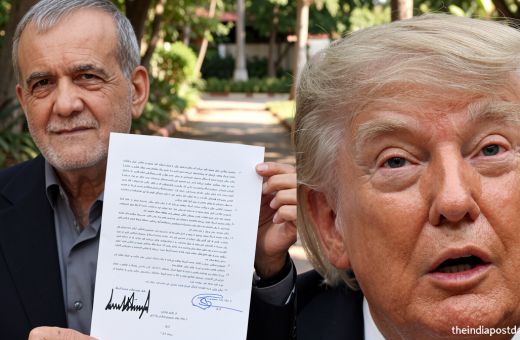
Amid these developments, the U.S. remains at the center of efforts to mediate between Iran and Israel, though its role has become increasingly complicated. President Trump, who has been a vocal advocate for a hardline approach against Iran, has called for both sides to exercise restraint, but his comments have sparked debate about the effectiveness of American diplomacy in the region. Meanwhile, Israeli Prime Minister Netanyahu continues to push for a more aggressive stance, arguing that Iran’s support for Hezbollah and other groups in Lebanon justifies continued military action.
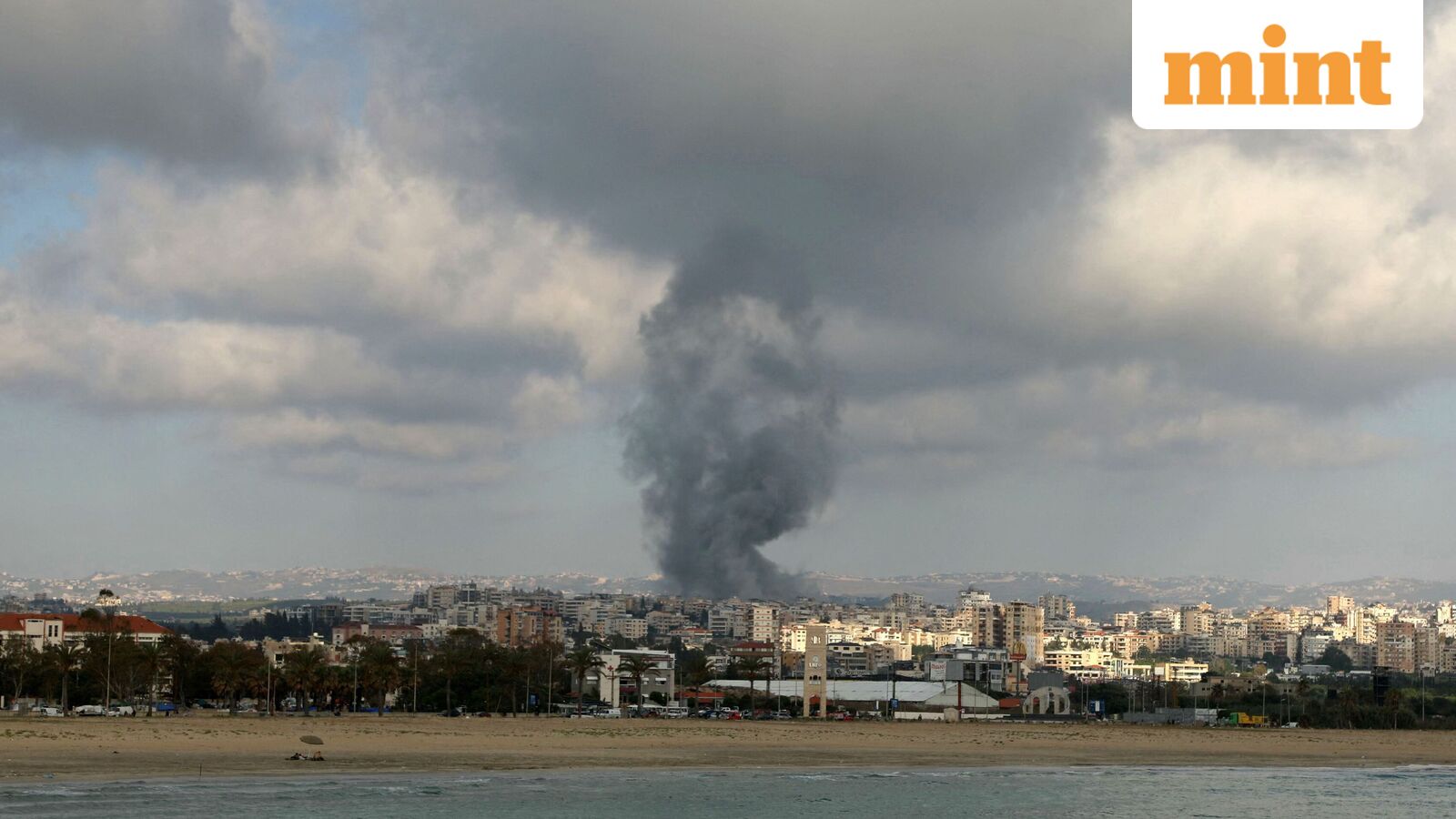
Lebanon’s airspace has been closed as a precautionary measure, reflecting the heightened risk of cross-border strikes. This closure has disrupted flights between Beirut and major international hubs, highlighting the growing disruption to regional connectivity. The Lebanese government has expressed concern over the potential for a full-scale war, with officials warning that the country could become a battleground if tensions persist. The **US Iran War News LIVE** update notes that the situation is evolving rapidly, with new threats emerging from multiple fronts.
Historical Context and Current Escalation
The current escalation follows a series of coordinated attacks that have marked the conflict’s progression over the past 100 days. On March 11, Iran launched a missile strike on Israeli territory, targeting military installations and civilian infrastructure. The attack, which was partially intercepted, has been seen as a direct challenge to Israel’s military capabilities and a warning to the U.S. about the risks of continued intervention. In response, Israeli forces conducted airstrikes in southern Beirut, hitting Hezbollah positions and further raising concerns about the stability of the ceasefire.
“The Houthi’s actions in the Red Sea are a clear sign that the conflict is no longer confined to the skies over Lebanon or the borders of Israel,” said a regional analyst, underscoring the widening scope of the war. “This is a multi-front struggle with global implications.”
The **US Iran War News LIVE** update also highlights the role of international allies in the conflict, with some countries supporting Israel’s military operations while others align with Iran and the Houthi. The closure of the Red Sea to Israeli ships represents a significant escalation, as it directly impacts trade and energy supply chains, potentially drawing more nations into the fray.
Global Implications and Economic Concerns
The blockade of the Red Sea by the Houthi group has raised alarm among global shipping companies and energy firms, as the region is a vital corridor for oil exports from the Arabian Peninsula. Analysts warn that prolonged disruptions could lead to a spike in fuel prices and economic instability, particularly for countries reliant on maritime trade routes. The **US Iran War News LIVE** update notes that the U.S. is working closely with regional partners to mitigate the impact of these actions, though the effectiveness of such measures remains uncertain.
With the conflict entering its second month, the geopolitical stakes have never been higher. The **US Iran War News LIVE** coverage highlights the delicate balance between military action and diplomatic engagement, as both sides continue to test the limits of the ceasefire. As the situation unfolds, the international community watches closely, with the potential for the conflict to spiral into a larger war that could reshape the Middle East’s power dynamics for years to come.
Looking Ahead: What’s Next?
As the **US Iran War News LIVE** updates continue, experts predict that the conflict will likely intensify in the coming weeks. The Houthi’s blockade in the Red Sea, combined with Israeli strikes in Lebanon, could lead to a renewed cycle of attacks, further straining the U.S.’s ability to mediate. Meanwhile, Iran is expected to leverage its regional allies to pressure Israel into a more defensive posture, potentially shifting the conflict’s focus toward strategic deterrence rather than direct combat.
“The 100th day of the war is a milestone, but the real test lies ahead,” remarked a former diplomat, stressing the need for sustained diplomatic efforts. “Without a clear resolution, the cycle of violence will continue to grow.”
The **US Iran War News LIVE** update serves as a reminder that the conflict is not only about military confrontations but also about the broader geopolitical ambitions of all involved parties. As the situation evolves, the key question remains: will the U.S. succeed in preventing the war from expanding, or will it become a full-fledged regional conflict with far-reaching consequences?