Pranit More issues fresh apology over Himanshu Jangra’s ₹370 biryani row: ‘I deserve the hate’
Pranit More Issues Fresh Apology Over ₹370 Biryani Row Theindiapostdaily.com – Pranit More, a celebrated *Bigg Boss* contestant and prominent stand-up comedian, has issued a new apology for his earlier…
Pranit More Issues Fresh Apology Over ₹370 Biryani Row
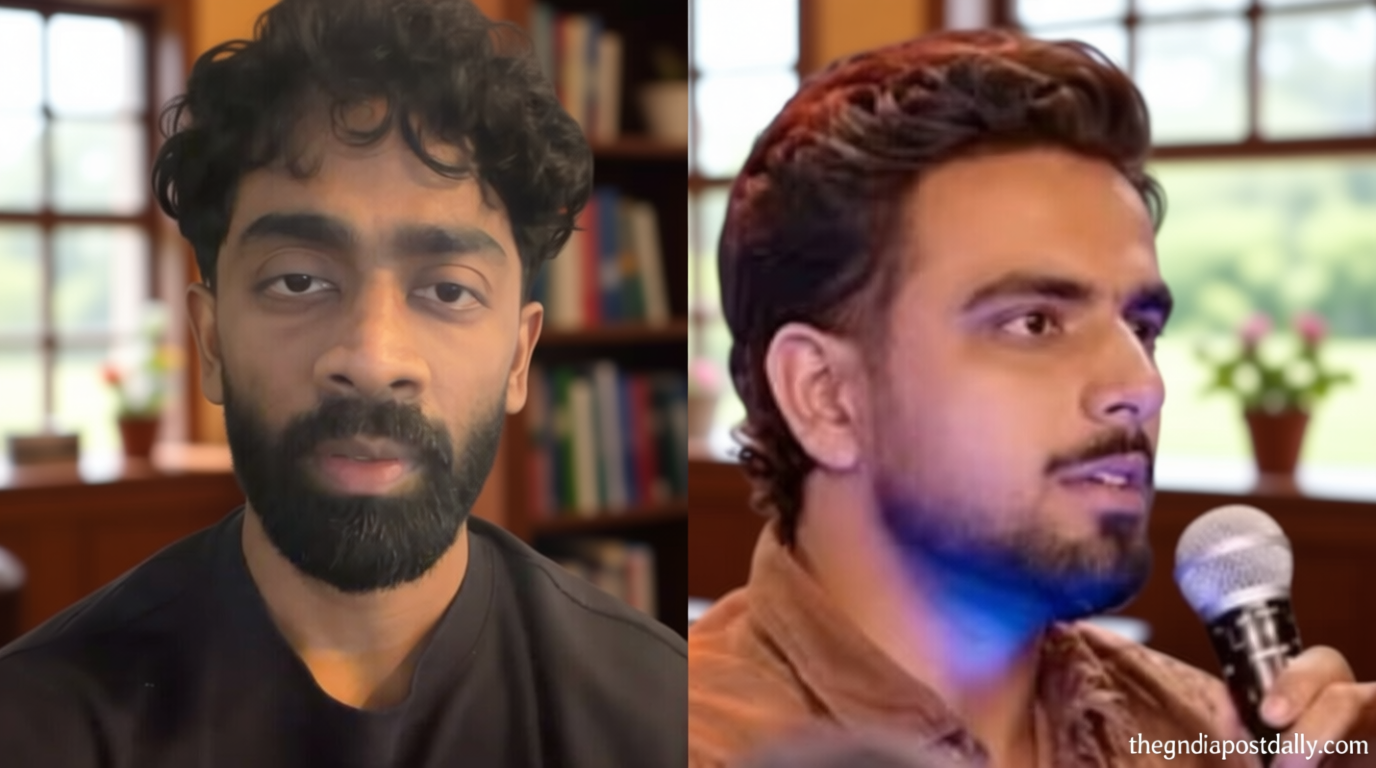
Theindiapostdaily.com – Pranit More, a celebrated *Bigg Boss* contestant and prominent stand-up comedian, has issued a new apology for his earlier remarks about Himanshu Jangra’s comments on a ₹370 biryani during a recent event. The controversy, which erupted online, centered on More’s role in amplifying Jangra’s joke, which implied that paying ₹370 for a biryani during a date warranted physical intimacy. In his latest statement, More acknowledged the public backlash and took responsibility, saying, “I deserve the hate.” This admission has reignited discussions about the impact of social media on public perception and the importance of accountability in comedy.
The Biryani Joke That Sparked a Storm
During a live audience interaction at his stand-up show in Gurugram, Himanshu Jangra made a joke suggesting that after spending ₹370 on a biryani, one could expect physical affection from their date. The remark, though initially light-hearted, quickly gained traction on social media. Pranit More, who was moderating the session, echoed the joke, leading to a wave of criticism. While Jangra’s comment was meant to be humorous, More’s endorsement of it was perceived as endorsing a double standard or objectifying women. The viral video of the exchange prompted a flood of reactions, with many calling for More to take ownership of the situation.
Pranit More issues fresh apology after the incident, citing the suspension of his Instagram account as a factor in the public’s reaction. He explained that during the live session, Jangra’s comment was taken out of context, and he, as the moderator, failed to clarify its implications. “I wasn’t aware of the full impact of my words,” More stated in a video posted on his Instagram, where he accepted criticism and expressed regret. This apology came as part of a broader effort to address the controversy, which had spread across platforms like Twitter, Facebook, and YouTube, with users sharing the clip and debating the joke’s meaning.
The Ripple Effect of Social Media
Pranit More issues fresh apology after the incident, which highlights how social media can amplify even minor remarks into major controversies. The clip of the event, featuring Jangra’s joke and More’s reaction, became a focal point for discussions on gender norms and the role of comedians in shaping societal perceptions. As the video circulated, public sentiment shifted, with many accusing More of not just endorsing the joke but also failing to stand up for his own accountability. This has sparked debates about the responsibility of comedians to ensure their content doesn’t perpetuate stereotypes or offend audiences.
Pranit More issues fresh apology, which comes weeks after the initial incident, shows his willingness to engage with the criticism. He emphasized that the suspension of his Instagram account during the event allowed the remark to be misinterpreted, and he now feels more compelled to address the issue. “I understand now that my words could be seen as a lack of support for women,” he said, expressing empathy for those who felt marginalized by the joke. His apology also included an acknowledgment of the broader cultural context, noting that while the comment was meant to be humorous, it sparked important conversations about expectations in relationships.
Public Reaction and Media Response
The public reaction to the biryani row was swift and polarized. While some defended More’s joke as a harmless attempt at humor, others criticized it for reinforcing traditional gender roles. The controversy also brought attention to the importance of context in comedy, as Jangra’s remark was part of a larger conversation about dating dynamics. Pranit More issues fresh apology, which was shared widely on social media, served as a gesture of goodwill to mend the damage. However, it also raised questions about whether a single apology is enough to undo the