India maps ₹2 tn five-year bypass plan to unclog highways around 500 cities
India's ₹2 Trillion Five-Year Bypass Plan to Unclog Highways Around 500 Cities Government Unveils Ambitious Infrastructure Initiative Theindiapostdaily.com – India maps ₹2 trillion five-year bypass plan to address escalating traffic…
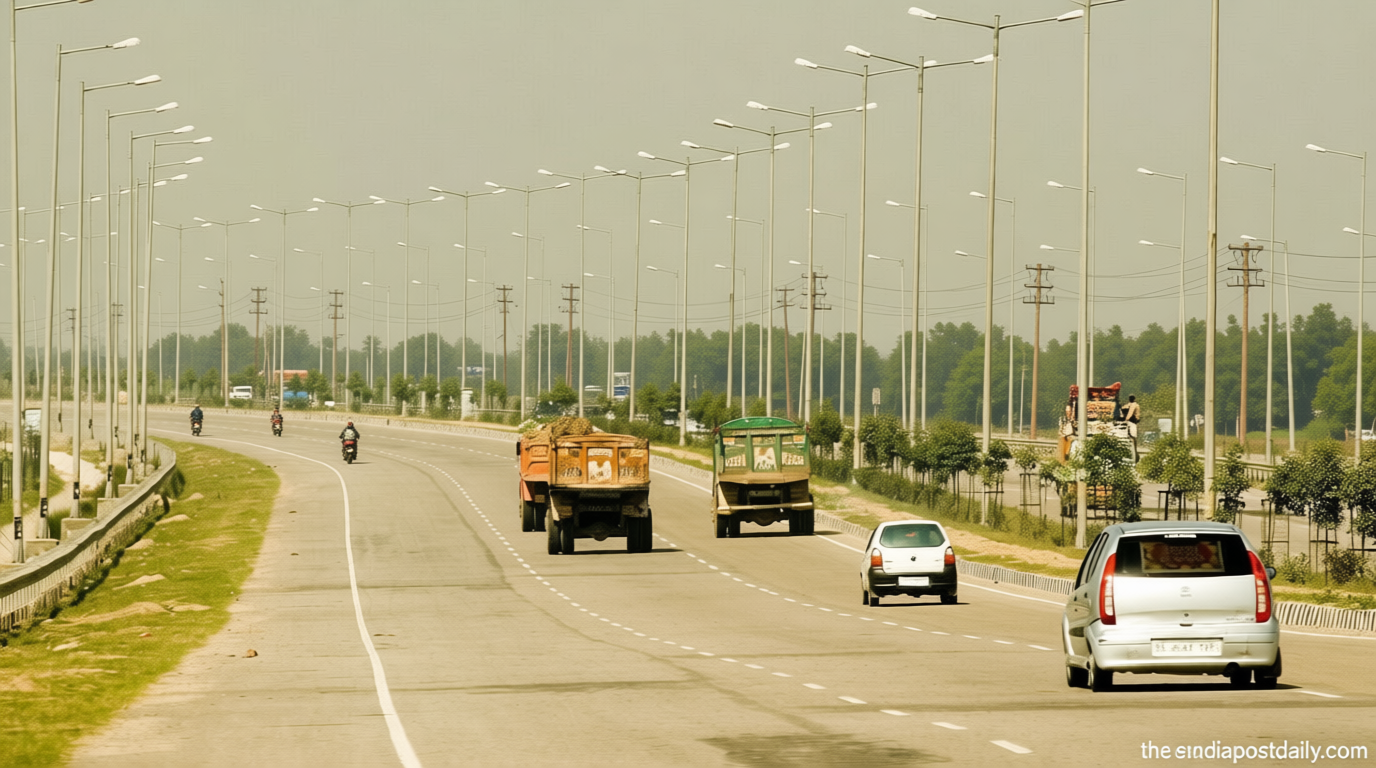
India’s ₹2 Trillion Five-Year Bypass Plan to Unclog Highways Around 500 Cities
Government Unveils Ambitious Infrastructure Initiative
Theindiapostdaily.com – India maps ₹2 trillion five-year bypass plan to address escalating traffic congestion on major highways and improve urban mobility. The initiative, announced by the Ministry of Road Transport and Highways, involves constructing a 10,000 km network of bypasses and ring roads across approximately 500 cities and towns. This project aims to alleviate bottlenecks, reduce travel times, and enhance the efficiency of transportation networks by rerouting heavy traffic away from densely populated urban centers. The plan is part of a broader effort to modernize India’s infrastructure and support economic growth through seamless connectivity. By focusing on strategic corridors, the government hopes to create a more sustainable and scalable model for urban traffic management across the country.
Strategic Focus on Urban Mobility and Economic Growth
As urban populations surge and vehicle ownership increases, the need for efficient traffic solutions has become critical. The ₹2 trillion five-year plan targets high-traffic areas where existing highways are struggling to accommodate the volume of commuters and freight. Key cities such as Delhi, Mumbai, Bangalore, and Hyderabad are expected to see significant improvements, with new bypasses designed to divert long-distance traffic and ease pressure on local road networks. This infrastructure push is not only about reducing travel times but also about fostering economic development by ensuring smoother logistics and enabling industries to operate without delays. The government has emphasized that these ring roads will integrate with public transport systems, promoting a multi-modal approach to urban mobility.
India maps ₹2 trillion five-year plan to prioritize high-impact infrastructure projects that align with national development goals. The Ministry has outlined a phased approach, with the first phase targeting the most congested regions and the second phase expanding to secondary and tertiary cities. This gradual rollout allows for better resource allocation and ensures that the most critical areas are addressed first. The project is expected to create thousands of jobs during its implementation, particularly in engineering, construction, and logistics sectors. Additionally, the development of these bypasses will require coordination with state governments, as many of the routes span multiple jurisdictions. This collaboration is vital to ensuring timely completion and long-term maintenance of the infrastructure.
Technical and Environmental Considerations
The ₹2 trillion five-year bypass plan incorporates advanced engineering solutions to address both traffic and environmental concerns. Each bypass is designed with a focus on sustainability, using eco-friendly materials and incorporating green corridors to minimize the ecological footprint. The project also leverages smart traffic management systems, such as real-time monitoring and adaptive signaling, to optimize traffic flow even after the infrastructure is in place. These features are expected to reduce carbon emissions and improve air quality in urban areas, which has been a growing challenge in Indian cities. Furthermore, the highways will be constructed with a long-term vision, ensuring they can handle future traffic demands and accommodate technological advancements in transportation.
India maps ₹2 trillion five-year plan to ensure that the bypasses are integrated with existing road networks and public transport systems. The Ministry has partnered with private sector agencies to fast-track the project, utilizing public-private partnerships (PPPs) to share the financial burden and expedite construction. This model is expected to accelerate the completion of projects, which are currently facing delays due to bureaucratic hurdles and funding constraints. The plan also includes provisions for regular maintenance and upgrades, ensuring that the infrastructure remains functional for decades. By combining government oversight with private expertise, the initiative aims to set a new benchmark for infrastructure development in India.
India maps ₹2 trillion five-year plan to enhance the quality of life for urban residents and support the country’s economic aspirations. With over 500 cities expected to benefit from the new network, the project is anticipated to significantly reduce commute times and lower the cost of living for millions. The government has also highlighted the importance of these bypasses in connecting industrial hubs with major ports and airports, facilitating faster movement of goods and services. This improved connectivity is expected to boost trade and investment, particularly in states like Maharashtra, Tamil Nadu, and Gujarat, where economic activity is concentrated. The plan underscores the Indian government’s commitment to addressing urban challenges through large-scale infrastructure investments, ensuring that cities remain competitive in a globalized economy.
Challenges and Future Prospects
While the ₹2 trillion five-year bypass plan represents a major step forward, it is not without its challenges. Officials have acknowledged the need to balance rapid construction with environmental preservation, especially in ecologically sensitive regions. The project also requires significant coordination between central and state authorities to streamline approvals and ensure consistent standards. Despite these hurdles, the government remains optimistic about the project’s success, citing early-stage funding commitments and the involvement of experienced consultants. As the plan progresses, it is expected to serve as a blueprint for future infrastructure projects, demonstrating how targeted investments can transform urban mobility and drive economic growth.
India maps ₹2 trillion five-year plan to become a cornerstone of the nation’s transportation strategy. The implementation of these bypasses and ring roads will be closely monitored, with performance metrics tied to reducing congestion, improving safety, and increasing economic productivity. Analysts believe that this initiative could set a new standard for urban infrastructure in India, offering a scalable solution to traffic problems in both large metropolitan areas and smaller towns. The success of the project will also depend on its ability to adapt to changing urban landscapes and technological innovations in the transportation sector. As the first phase of the plan unfolds, it will be crucial to evaluate its impact and refine strategies to ensure long-term effectiveness.