LPG Price Hike by ₹29: What your 14.2-kg domestic cylinder will cost now in Delhi, Bengaluru, Mumbai, Hyderabad, Kolkata
The LPG Price Hike by ₹29 has taken effect in several key cities across India
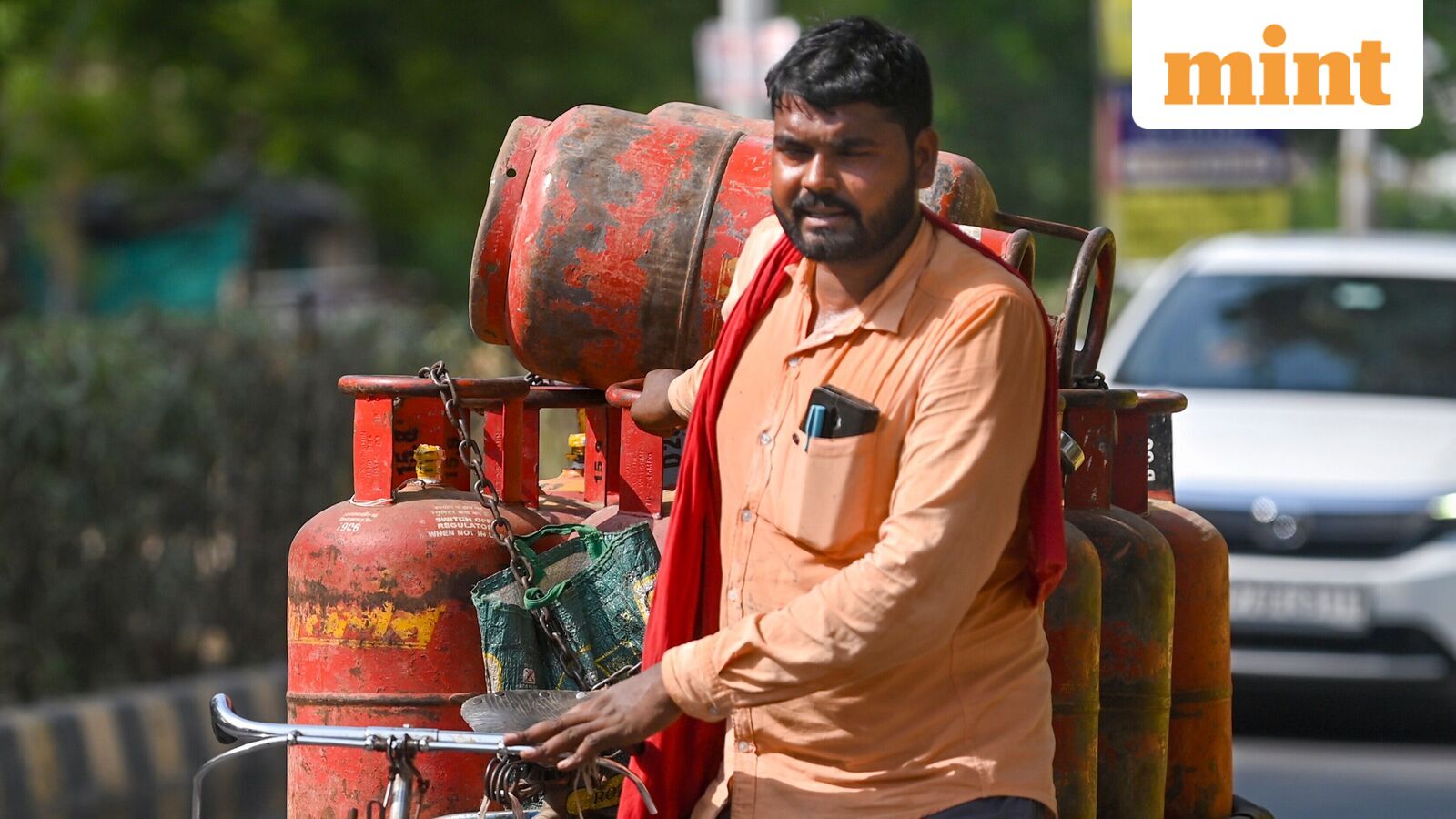
LPG Price Hike by ₹29: Updated Cylinder Costs in Major Indian Cities
Overview of the Recent LPG Price Adjustment
Theindiapostdaily.com – The LPG Price Hike by ₹29 has taken effect in several key cities across India, significantly impacting household budgets. This latest increase, which brings the price of a standard 14.2-kg domestic cylinder to new levels, follows a previous adjustment of ₹60 in March. The adjustment reflects the fluctuating global energy market and the government’s ongoing efforts to manage fuel pricing amidst rising costs.
As of the latest update, consumers in Delhi, Mumbai, and Hyderabad are now paying ₹942, ₹994, and ₹968 respectively for a 14.2-kg cylinder. Kolkata has also seen a rise to ₹968, while Bengaluru remains at ₹915.50. This variation in pricing highlights how regional demand and supply dynamics influence the final cost to consumers, even after the national LPG Price Hike by ₹29.
Global Factors Behind the LPG Price Hike by ₹29
The LPG Price Hike by ₹29 is largely driven by instability in international energy markets, exacerbated by geopolitical tensions. The Strait of Hormuz, a critical chokepoint for global oil trade, has remained a focal point of disruption, affecting supply chains and increasing prices. Since the US-Iran conflict escalated in February, Brent crude prices have hovered around $100 per barrel, contributing to the upward trend in fuel costs across the country.
Oil companies have been navigating these challenges by adjusting pricing strategies to offset losses. Despite the LPG Price Hike by ₹29, domestic firms like IOCL, BPCL, and HPCL continue to face financial pressures. The increased costs are passed on to consumers, but these companies are also implementing measures to stabilize supply and reduce the impact of global price fluctuations. Such steps are essential to maintaining affordability in the face of rising market prices.
Consumer Impact and Regional Variations
For households reliant on LPG for cooking, the price hike by ₹29 represents an additional burden. In Delhi, the cost of a 14.2-kg cylinder has climbed to ₹942, while Mumbai’s prices have reached ₹994. Hyderabad and Kolkata now reflect similar increases, with rates at ₹968 each. Bengaluru, however, retains its previous rate of ₹915.50, likely due to regional differences in demand and distribution networks.
This disparity underscores how the LPG Price Hike by ₹29 is not uniform across the country. Factors such as transportation costs, local market conditions, and supply chain efficiency play a role in determining final prices. For example, cities with higher logistical challenges may experience steeper price adjustments. Consumers in these cities are now recalibrating their budgets, with the LPG Price Hike by ₹29 adding to the cost of daily expenses.
Industry Response to the LPG Price Hike by ₹29
Industry experts have pointed out that the LPG Price Hike by ₹29 is part of a broader pattern of fuel cost adjustments. Alongside this, petrol and diesel prices have also seen a cumulative increase of ₹7.50 per litre since mid-May. Compressed natural gas (CNG) prices have similarly risen by approximately ₹6 per kg, further tightening household budgets.
“The under recovery on domestic LPG cylinders remains in the vicinity of ₹700,” said Sujata Sharma, Joint Secretary at the Ministry of Petroleum and Natural Gas. She highlighted that reduced demand is due to factors like improved booking cycles and the implementation of technology-driven delivery authentication systems, such as the DAC code. These systems aim to streamline the distribution process and ensure transparency, which can influence pricing structures.
Sharma emphasized the government’s commitment to stabilizing LPG supply, citing initiatives to boost domestic production and secure cheaper imports. These measures are designed to counterbalance the LPG Price Hike by ₹29 and prevent further inflationary pressures. However, the industry’s ability to absorb these costs will determine how effectively the adjustments are managed.
Broader Economic Implications
The LPG Price Hike by ₹29 is not an isolated event but a reflection of broader economic trends. As fuel prices rise, the ripple effect extends beyond households, influencing industries reliant on energy. For instance, restaurants, hotels, and other service sectors may see increased operational costs, which could lead to higher prices for consumers.
Additionally, the LPG Price Hike by ₹29 has sparked discussions about the government’s role in mitigating price shocks. Some analysts argue that the current pricing mechanism needs reform to better protect low-income families. Others suggest that increased domestic production and strategic imports could provide long-term solutions, reducing dependence on volatile international markets.
Future Outlook and Consumer Strategies
While the LPG Price Hike by ₹29 is a short-term adjustment, its long-term impact remains a concern. Analysts predict that further increases could be on the horizon, especially if global energy prices continue to rise. In response, consumers are exploring alternatives such as switching to electric cookers or adopting energy-saving practices.
“Consumers are becoming more cautious about their energy spending,” noted a market analyst. “The LPG Price Hike by ₹29 has prompted discussions about budgeting and alternatives to traditional cooking fuels.”
With the LPG Price Hike by ₹29 now in place, the focus shifts to how effectively the government and industry players can address these challenges. Public awareness campaigns and subsidies may be necessary to ease the transition for vulnerable populations. As the market continues to evolve, the LPG Price Hike by ₹29 serves as a reminder of the interconnectedness of global energy prices and local consumer economics.