₹370 biryani remark row: Gurugram police books Himanshu Jangra, Pranit More for ‘sexual harassment’, obscenity charges
370 Biryani Remark Row: Gurugram Police File FIR Against Himanshu Jangra and Pranit More Theindiapostdaily.com – The 370 biryani remark row has taken a legal turn as Gurugram police filed…
370 Biryani Remark Row: Gurugram Police File FIR Against Himanshu Jangra and Pranit More
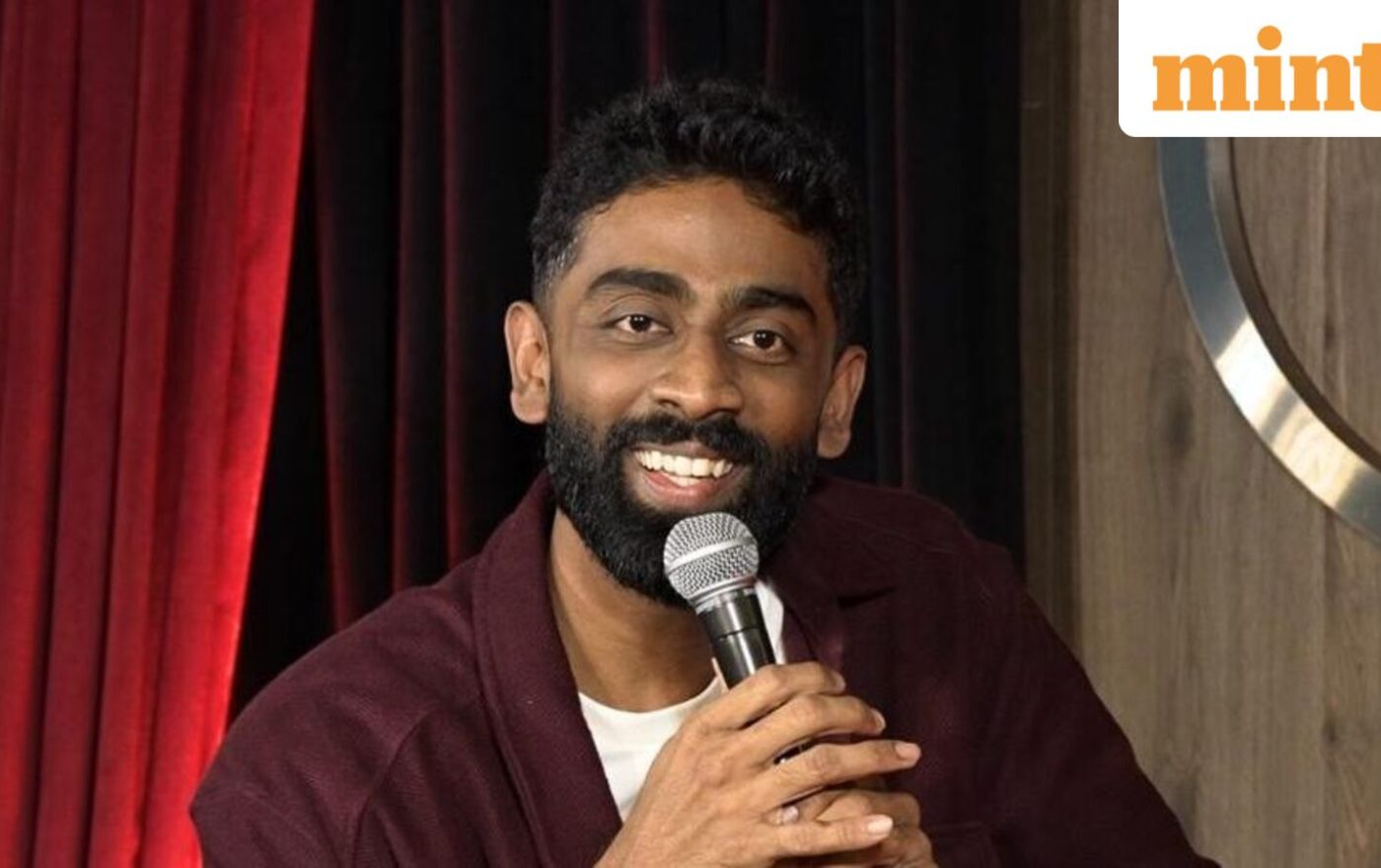
Theindiapostdaily.com – The 370 biryani remark row has taken a legal turn as Gurugram police filed an FIR against web developer Himanshu Jangra and stand-up comedian Pranit More for alleged sexual harassment and obscenity charges. The controversy began with a viral video in which Jangra made a comment about a ₹370 biryani, sparking widespread public outrage. The police investigation, launched on June 16, centers on the remark and its implications on women’s dignity. Authorities also issued a directive to social media platforms to remove the content, emphasizing the need to curb offensive material that undermines societal norms.
Legal Framework and Charges
The case, registered at the DLF Phase-2 Police Station, falls under multiple legal provisions. Key sections of the Bharatiya Nyaya Sanhita (BNS) and Information Technology Act (IT Act) are being scrutinized. Section 67 of the IT Act addresses the transmission of obscene material electronically, while Section 294 of the BNS deals with the exhibition of indecent content. Both Jangra and More face charges under Section 75(2) and 75(3) of the BNS, which cover sexual harassment and making sexually suggestive remarks, respectively. These offenses carry penalties ranging from one to three years in prison, depending on the severity of the remarks.
The 370 biryani remark row has drawn attention to how casual comments can escalate into legal actions. The BNS, enacted in 2023, is designed to strengthen laws against gender-based offenses, and this case highlights its application in real-time scenarios. The police have emphasized that the remarks in question were not just humorous but potentially degrading, leading to the filing of formal charges. This underscores the growing sensitivity around gender representation in public spaces, particularly in the entertainment industry.
Political Response and Public Pressure
The Women and Child Development Minister, Annapurna Devi, swiftly condemned the incident, calling it a “serious breach of women’s dignity.” Her remarks followed a wave of social media protests that demanded accountability for the 370 biryani comment. Devi highlighted the role of comedians in shaping public discourse and urged stricter enforcement of laws against offensive speech. The minister’s intervention added political weight to the case, reinforcing the idea that such remarks are not just personal but societal issues.
“Whether it is a comedy show or any other programme, action should certainly be taken against people who make inappropriate remarks about women,” Devi said during a press briefing.
Her comments echoed the sentiments of many who viewed the remark as a microcosm of broader gender inequalities. The incident also prompted discussions on the balance between free speech and respect for women, with critics arguing that the comment, though lighthearted, was rooted in stereotypes that perpetuate gender bias.
Defenses and Contextual Clarifications
Himanshu Jangra, who was part of the event, defended his remarks by stating they were part of an improvised story for entertainment. “The narrative I shared on stage was not literal,” he explained, emphasizing that the comment about the ₹370 biryani was fictional. However, the police maintained that the remark, while framed as a joke, could be interpreted as a direct attack on women’s dignity. Jangra’s defense highlights the debate around intent versus impact, a common issue in cases involving humor and sexism.
Pranit More, the comedian at the center of the controversy, issued a second apology, acknowledging his role in allowing the remark to go unchallenged. “I feel I probably deserve the hate I’m receiving,” he admitted, calling the incident a “lapse in judgment.” More’s statement underscored the responsibility of comedians to monitor and address offensive content, even in group settings. The 370 biryani remark row has thus become a case study in how comedic performances can inadvertently perpetuate harmful stereotypes when not carefully moderated.
Public Reaction and Broader Implications
The 370 biryani remark row has ignited a nationwide conversation about the role of comedy in reinforcing or challenging gender norms. Social media users flooded platforms with reactions, with some calling for Jangra and More to be held accountable for their words, while others defended the remark as a form of satire. This polarized response reflects the ongoing debate on free speech versus the need to protect marginalized groups from verbal abuse. The case also serves as a reminder of how quickly viral content can lead to legal consequences, particularly in the digital age.
“The comment may have been a joke, but its effect was real. It’s important to address even the smallest slights,” said a Twitter user who supported the police action.
Meanwhile, feminist groups praised the police for taking swift action, arguing that the 370 biryani remark row exemplifies the importance of enforcing laws against gender-based offenses. The incident has also prompted calls for stricter guidelines in comedy shows, ensuring that humor does not cross into harassment or obscenity. As the investigation continues, the case remains a focal point for discussions on accountability, societal norms, and the law’s role in shaping public behavior.