Rivers run dry: How scorching summer shuts Europe’s power plants, chokes supply chains
Rivers Run Dry: Europe Faces Unprecedented Water Shortage Theindiapostdaily.com – Rivers run dry across Europe as an intense summer heatwave triggers cascading disruptions throughout the continent's energy sector and supply…
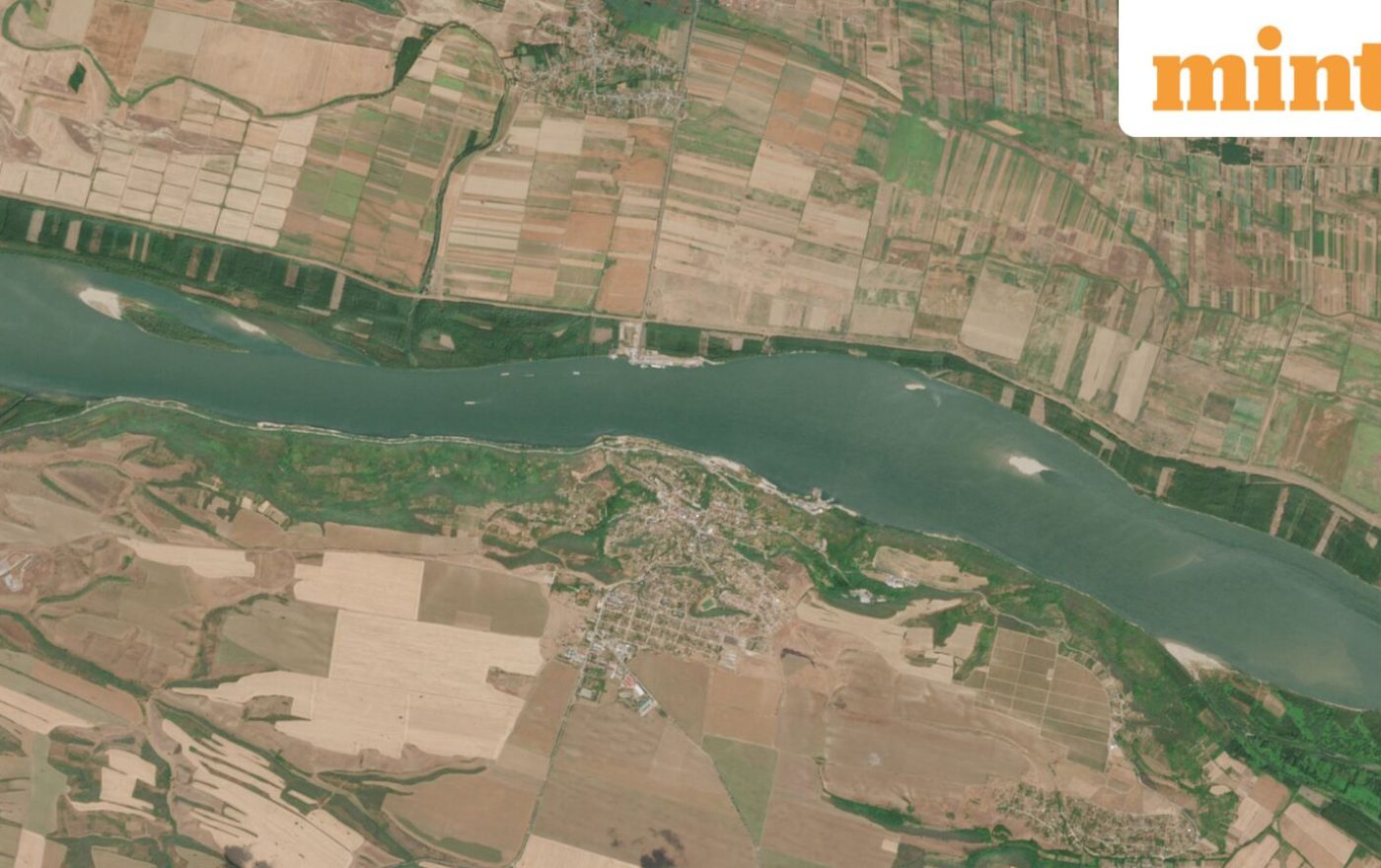
Rivers Run Dry: Europe Faces Unprecedented Water Shortage
Theindiapostdaily.com – Rivers run dry across Europe as an intense summer heatwave triggers cascading disruptions throughout the continent’s energy sector and supply chains. This severe drought has forced governments and industries to implement emergency measures, from closing nuclear power plants to rerouting critical shipping routes. According to reports from CNBC, nations are taking extraordinary steps to address the crisis, including deploying naval vessels to improve water circulation in depleted river systems.
Nuclear Facilities Forced to Close
The impact of rivers run dry conditions is particularly devastating for Europe’s nuclear energy infrastructure. Romania has temporarily shut down its only operational nuclear facility, which depends on the Danube River for cooling water. With water levels dropping to critical lows, Bucharest has dispatched naval ships to help maintain adequate water flow through the river system.
Similar threats loom across the region. Hungary’s Paks nuclear station, which generates forty percent of the country’s electricity, faces potential closure as water levels continue to decline. Serbia has already reduced its hydropower output in response to the same environmental pressures. These closures demonstrate how rivers run dry scenarios directly threaten energy security across multiple European nations.
Rhine River Hits Historic Lows
Germany’s economic heartland is experiencing the most dramatic effects as the Rhine River reaches depths not seen in 150 years. This historic decline has severely disrupted logistics networks that depend on waterway transportation. At Kaub, a vital transit hub for vessels traveling to southern Germany and Switzerland, water depth fell to just twenty-four centimeters on Monday and Tuesday.
These measurements mark the lowest levels recorded since systematic monitoring began in 1880. Researchers at ETH Zurich warn that conditions could deteriorate further as the summer progresses. When rivers run dry at such critical junctures, the economic consequences extend far beyond immediate shipping delays.
Economic Fallout Spreads Across Europe
Water shortages now impact more than thirty percent of European territory, creating structural challenges where demand consistently exceeds supply. Stefan Kooths, an economics professor at the Kiel Institute of World Economy, projects that this deficit could diminish German GDP growth by up to two-tenths of a percent. Companies are adapting by accumulating larger stockpiles and shifting cargo from waterways to rail and road networks.
Felix Schmidt, a senior economist at Berenberg bank, noted that shipping costs have already surged dramatically, introducing new inflationary pressures into European markets. These rising costs reflect the growing scarcity of reliable water transportation routes.
“Water levels are obviously one thing but we had this heat wave in Germany a couple of weeks back, impacting big parts of northern Europe, which brings down productivity. You have infrastructure which gets destroyed by the heat. You have energy supply, which is affected, like the nuclear plants being shut down in Hungary, France and Switzerland.”
As Schmidt emphasized, rivers run dry conditions represent only one dimension of a broader climate challenge. Rising temperatures have simultaneously reduced productivity across northern Europe, damaged critical infrastructure, and forced nuclear facility closures in multiple countries. Additionally, escalating wildfire threats across Southern Europe continue to compound economic damage throughout the region.
Frequently Asked Questions
Which European countries are most affected by drought?
Romania, Hungary, Germany, and Serbia are experiencing the most severe impacts, with nuclear facilities and hydropower plants facing operational challenges due to depleted water resources.
How long could the Rhine River remain at low levels?
ETH Zurich researchers anticipate that conditions may worsen further through the remainder of summer, potentially extending into autumn depending on rainfall patterns.
What economic sectors are most vulnerable?
Energy production, transportation logistics, and manufacturing sectors face the greatest risks as rivers run dry disrupt both power generation and cargo movement across Europe.