Deepfakes worry Indians: 1 in 2 surveyed say they watched multiple fake videos; 7 in 10 want them criminalised
Deepfakes worry Indians as artificial intelligence continues to reshape how we consume media and information. A comprehensive LocalCircles survey of over
Deepfakes Worry Indians: Survey Reveals Growing Concerns Over AI-Generated Content
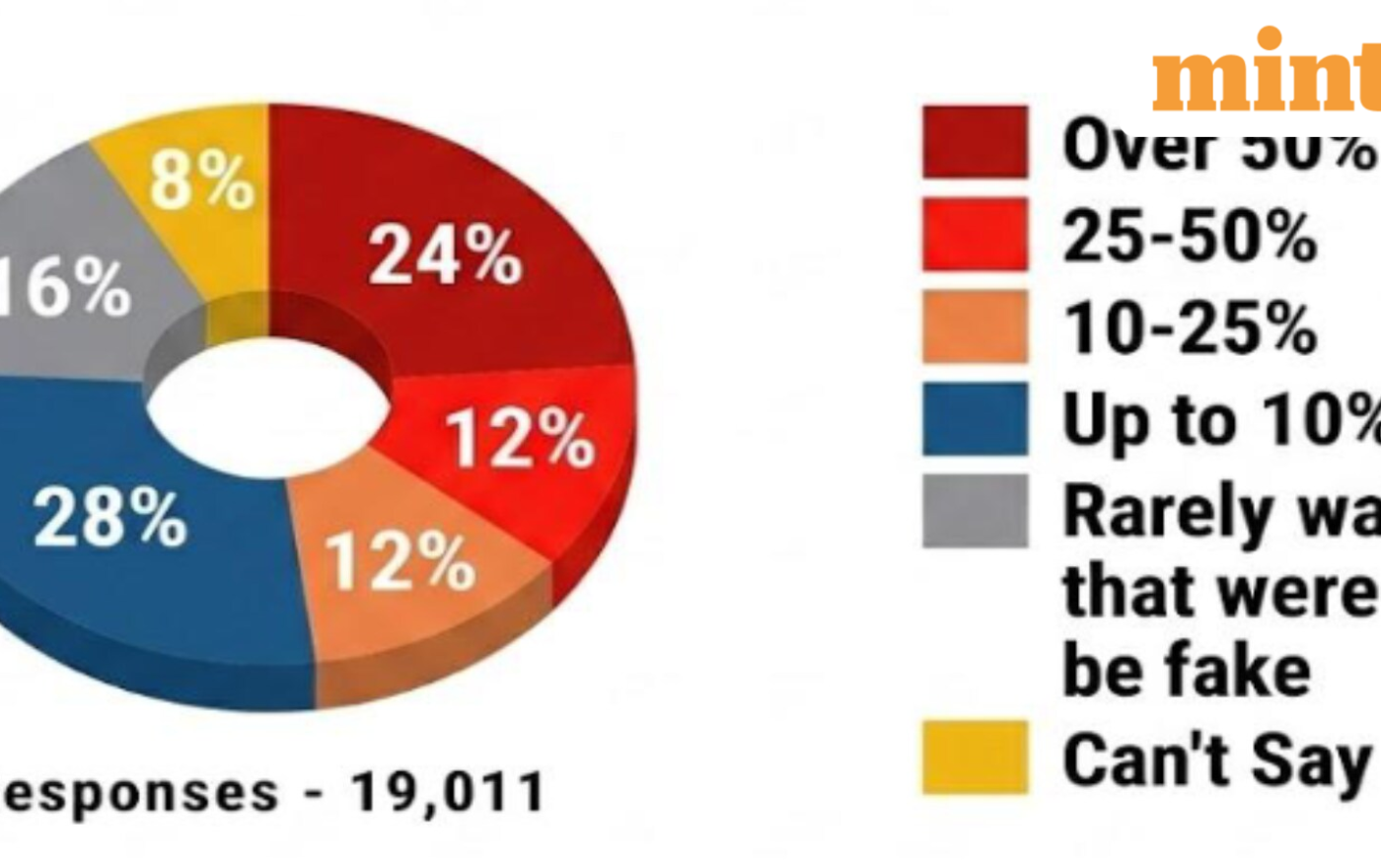
Theindiapostdaily.com – Deepfakes worry Indians as artificial intelligence continues to reshape how we consume media and information. A comprehensive LocalCircles survey of over 35,000 participants reveals that half of respondents have watched multiple fake videos across social media platforms, OTT services, and WhatsApp in the past year. This growing awareness highlights how synthetic media is becoming a significant concern for everyday citizens across the country.
The survey results paint a clear picture of public sentiment regarding AI-generated content. Seventy percent of those surveyed believe that creating deepfake videos should be criminalized under Indian law. This strong preference for stricter penalties reflects growing anxiety about the potential misuse of this technology in both personal and professional contexts.
Government Takes Legislative Action
These findings come at a crucial time as the central government reviews new legislation aimed at addressing digital fraud and AI-created content. The proposed Bill would treat digital arrest frauds and deepfakes as separate criminal offenses, following a recent Supreme Court observation that existing laws lack specific provisions for these emerging threats.
Solicitor General Tushar Mehta informed the court that the upcoming legislation would create a distinct category for AI-generated deepfakes with clearly defined legal consequences. This framework builds upon the IT Rules that came into effect on February 20, 2026, requiring social media platforms and other intermediaries to prominently label AI-produced content and remove unlawful synthetic material within specified timeframes.
Deepfakes Impact Businesses and Consumers
Authorities have increasingly characterized deepfakes as a serious threat to society. Synthetic videos, images, and cloned audio are being used to spread misinformation, damage reputations, conduct financial fraud, and influence public opinion on critical issues.
Global statistics show dramatic growth in deepfake content. The number of deepfake files is estimated to have risen from approximately 500,000 in 2023 to nearly 8 million by 2025. This exponential increase underscores the urgency of regulatory measures.
According to a Thales report cited in the survey, 65 percent of organizations experienced deepfake-related incidents, while 55 percent suffered financial losses due to AI-generated misinformation. A separate McAfee investigation found that nearly 90 percent of Indians had encountered fake AI celebrity endorsements, with affected individuals losing an average of ₹34,500 each.
Supreme Court Pushes for Dedicated Legal Framework
In suo motu proceedings addressing digital arrest frauds, a bench comprising Chief Justice Surya Kant, Justice Joymalya Bagchi, and Justice V. Mohana noted that while the judiciary has taken strong measures—including denying bail in such cases—no dedicated penal statute exists specifically for these offenses.
Addressing Attorney General R. Venkataramani, the bench stated:
“The government may need to formally define digital arrest in penal laws.”
The judges further emphasized that digital arrest scams involve elements of extortion, robbery, and organized crime. They questioned whether the administration should create a standalone offense with stringent penalties, including provisions to freeze the accused’s assets.
Justice Bagchi clarified that developing and implementing new criminal legislation falls within the government’s authority. He explained:
“We now have deepfakes, which can be used to mislead people or for cheating and impersonation. Using our exclusive powers under Article 142 of the Constitution, we can neither define a crime nor create a new offence.”
What Indians Can Do to Protect Themselves
As deepfakes worry Indians increasingly, experts recommend several practical steps to verify content authenticity. Users should check for inconsistencies in facial movements, listen for unnatural audio patterns, and verify sources before sharing suspicious videos. Social media platforms are also implementing verification badges and warning labels to help consumers identify AI-generated content.
Frequently Asked Questions
How can I identify if a video is a deepfake?
Look for unnatural blinking patterns, inconsistent lighting, and audio-video synchronization issues. Deepfake videos often show subtle distortions around the mouth and eyes that may not be immediately obvious.
What legal protections exist for deepfake victims in India?
While specific deepfake legislation is being developed, victims can seek protection under existing laws related to defamation, fraud, and cybercrime. The proposed Bill aims to create dedicated provisions for deepfake-related offenses.
Which platforms are most affected by deepfake content?
According to the survey, social media platforms, WhatsApp, and OTT services are the primary channels where Indians encounter fake videos. Each platform is implementing different verification mechanisms to combat this issue.
How much financial damage do deepfakes cause?
The McAfee investigation revealed that Indians affected by fake AI celebrity endorsements lost an average of ₹34,500 each, highlighting the significant economic impact of this emerging threat.