Jaishankar speaks to Iran FM Araghchi, urges no attacks on commercial shipping and seafarers amid West Asia tensions
External Affairs Minister S Jaishankar held a significant telephone conversation with Iranian Foreign Minister Abbas Araghchi on Friday, addressing growing
India Calls for Calm as West Asia Conflict Escalates
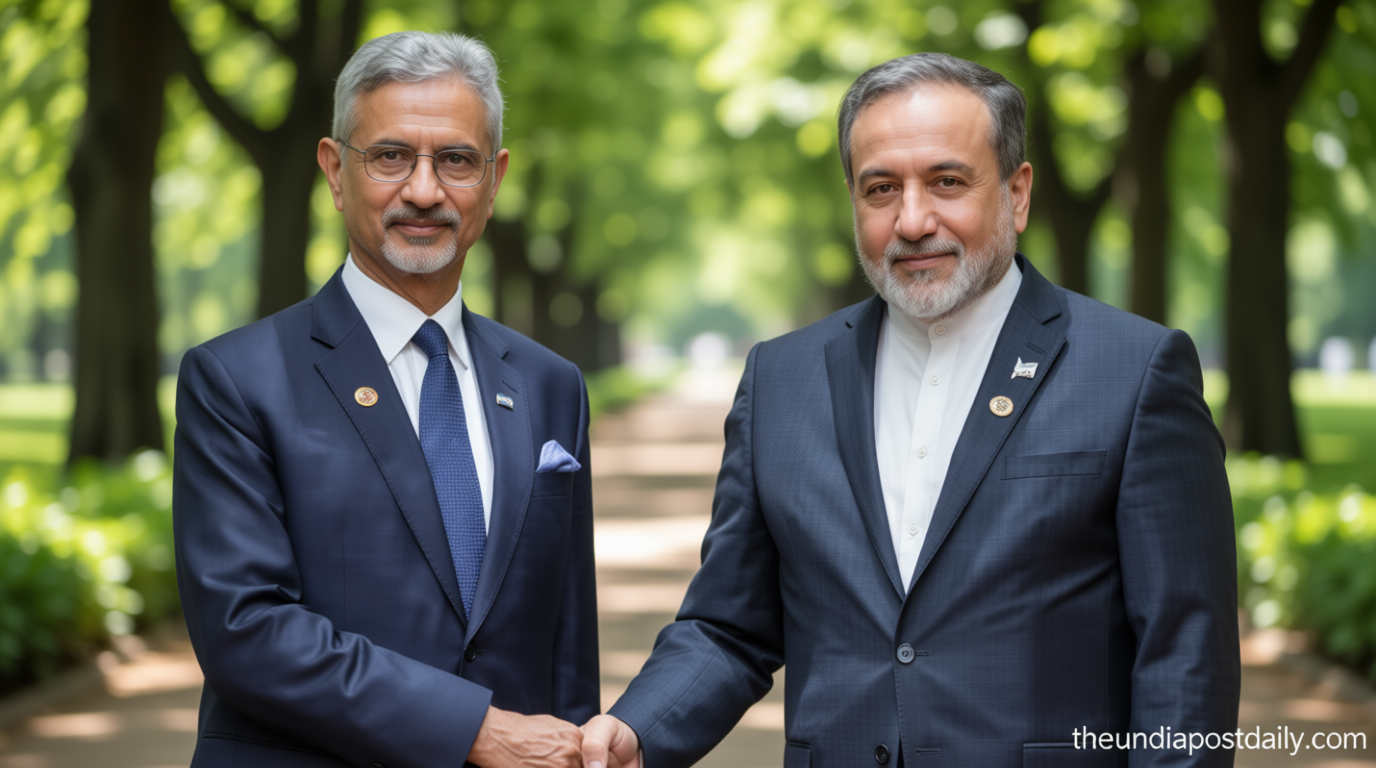
Theindiapostdaily.com – External Affairs Minister S Jaishankar held a significant telephone conversation with Iranian Foreign Minister Abbas Araghchi on Friday, addressing growing concerns about regional stability. The diplomatic exchange focused heavily on protecting commercial shipping routes and maritime workers from potential attacks amid rising tensions in West Asia. During their discussion, both ministers emphasized the importance of maintaining peace and avoiding escalation that could impact global commerce.
The conversation highlighted India’s firm stance on maritime security, with Jaishankar stressing that commercial vessels and seafarers must remain protected regardless of which party initiates hostilities. Araghchi conveyed Iran’s perspective on recent developments while acknowledging India’s support for continued diplomatic engagement. This dialogue comes at a critical juncture as regional conflicts threaten vital shipping lanes and energy supplies.
“Had a tele-conversation with FM @araghchi of Iran this evening. Conveyed our deep concerns at the ongoing hostilities in the region,” Jaishankar shared on social media platform X.
“Strongly urged that attacks on commercial shipping and seafarers be avoided under any circumstance. India condemns any such attack by any party. Was apprised of Iran’s perspective of current developments and discussions underway. India is always supportive of dialogue and diplomacy.”
Evacuation Progress and Citizen Safety
Minister of State for External Affairs Kirti Vardhan Singh delivered comprehensive updates to Parliament regarding evacuation operations on Thursday. According to ANI reports, 2,557 Indian citizens have successfully been relocated from Iran through Armenia and Azerbaijan, preparing for their return journey home. These evacuations represent a significant logistical achievement amid challenging circumstances.
During his Rajya Sabha address, Singh outlined the measures implemented to safeguard Indian nationals during the Iran-US-Gulf tensions. The Indian Embassy in Tehran played a crucial role in managing cross-border movements, ensuring citizens could travel safely through neighboring countries. This coordinated effort demonstrates India’s commitment to protecting its diaspora during regional crises.
“Since the onset of hostilities in West Asia in February 2026, the Indian Embassy in Tehran has facilitated the cross-border movement of 2,557 Indian nationals from Iran to Armenia/Azerbaijan for their onward travel to India,” Singh explained in his written parliamentary reply.
Approximately 7,000 Indian nationals continue to reside in Iran, including seminary students, medical students, workers, seafarers, and fishermen. The government maintains vigilant monitoring of security conditions while issuing timely advisories based on evolving situations. This substantial Indian community requires ongoing support and protection as regional dynamics shift.
Broader Diplomatic Engagement and Energy Security
The Tehran embassy has maintained continuous emergency helpline and email services to assist Indians facing difficulties during the crisis period. Under the latest travel advisory issued on July 19, citizens already present in Iran received guidance to consider temporary departure via commercial flights. Meanwhile, those planning visits were advised to postpone their trips until conditions stabilize.
Regarding Indian medical students who returned home due to the conflict, Singh confirmed that the government has raised concerns with Iranian authorities. Investigations are underway to find comprehensive solutions for affected students who may need to resume their studies. This educational dimension adds another layer to India’s diplomatic efforts in the region.
India’s broader diplomatic engagement has included regular communication with regional and international partners throughout the crisis. Prime Minister Narendra Modi has held discussions with his counterparts, while Jaishankar has maintained contact with officials across the region and beyond. These multilateral connections strengthen India’s position in promoting peaceful resolutions.
“India has reiterated that dialogue and diplomacy should be pursued to arrive at a peaceful and lasting solution to the conflict,” Singh emphasized during his parliamentary address.
The minister highlighted India’s consistent emphasis on ensuring unrestricted freedom of navigation and secure flow of energy and commerce through the Strait of Hormuz. On energy security matters, India has diversified its sources for energy and fertilizer imports while strengthening strategic petroleum reserves to safeguard long-term national interests.
Indian missions in affected regions have been operating around-the-clock emergency helplines, coordinating with local authorities, arranging transit support, providing logistical assistance, and helping citizens with travel documentation throughout the crisis period. These comprehensive efforts reflect India’s dedication to both regional stability and citizen welfare during this challenging time.