Govt projects 26 GW of power demand from data centres by FY32
The government has projected that data centres will require 26 gigawatts of power by fiscal year 2031-32, marking a significant milestone in India's energy
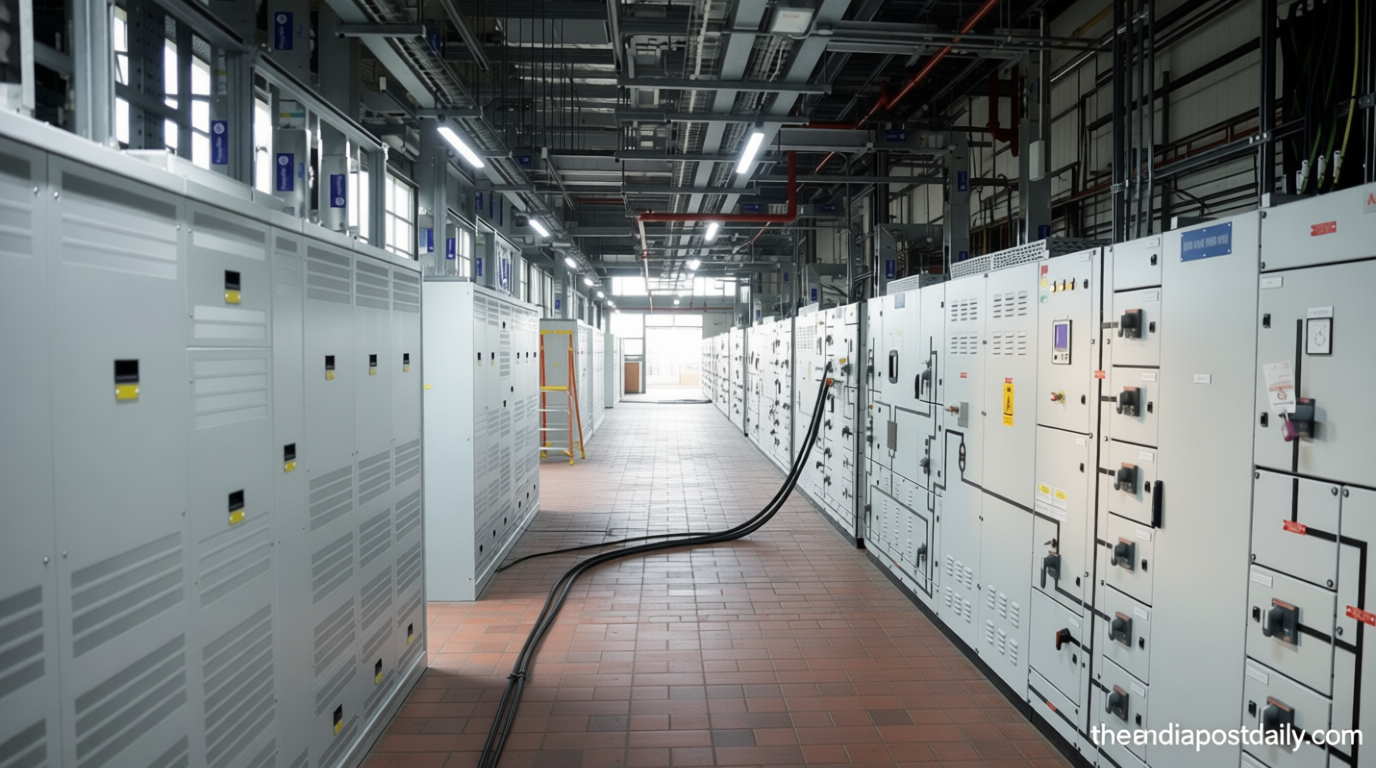
India’s Growing Power Needs from Data Centres
Theindiapostdaily.com – The government has projected that data centres will require 26 gigawatts of power by fiscal year 2031-32, marking a significant milestone in India’s energy planning. Union minister of state for power, Shripad Yesso Naik, shared this projection during a written reply in the Rajya Sabha on Monday. The minister emphasized that this substantial power demand will be primarily met through renewable energy sources, aligning with the country’s sustainability goals. This forecast highlights the transformative impact of digital infrastructure on India’s electricity landscape.
According to the minister, an additional load of 26.3 gigawatts from artificial intelligence data centres is expected to be integrated into the national grid by 2031-32. This capacity is anticipated to be served mainly by renewable energy resources, supporting India’s commitment to clean energy transition. The current peak demand in India stands at 270.8 gigawatts, with projections indicating growth to 272 gigawatts this year and reaching 300 gigawatts in the next fiscal period. These figures underscore the rapid expansion of power requirements across the nation.
Infrastructure Development and Grid Modernization
The minister further explained that the development of transmission infrastructure is being undertaken in a phased manner, commensurate with the growing electricity demand and planned generation capacity addition. This includes both conventional and renewable energy sources. The National Electricity Plan envisions developing the transmission system with an estimated investment of approximately ₹9.16 trillion by fiscal year 2031-32. This substantial investment will ensure that the grid can handle the increasing load from data centres and other emerging power consumers.
Grid modernization measures are also being planned to enhance reliability and flexibility. These include the deployment of static synchronous compensators (STATCOM), battery energy storage systems (BESS), synchronous condensers, and other advanced grid support technologies. Such innovations will facilitate better integration of renewable energy into the national grid, ensuring stable power supply even as demand patterns evolve. The government’s comprehensive approach addresses both immediate and long-term infrastructure needs.
“Grid modernization measures, including deployment of static synchronous compensator (STATCOM), battery energy storage systems (BESS), synchronous condensers, and other advanced grid support technologies, are also being planned to enhance grid reliability, flexibility and facilitate integration of renewable energy,” said the minister.
Earlier reports from Mint indicated that India’s apex power sector planning body, the Central Electricity Authority (CEA), has revisited its approach to mapping electricity demand. This comes amid concerns that a concentration of data centres in a few states could skew consumption patterns and adversely affect national grid stability. The CEA will require states and power distribution companies to incorporate data centre power demand projections into their resource adequacy plans, ensuring more balanced regional development.
The power ministry has informed the parliamentary panel that the increase in electricity demand, driven by the rapid growth of AI and other large-scale data centres, is being assessed under the 21st Electric Power Survey Exercise. This comprehensive assessment will consider the rising demand in the National Electricity Plan for the period from fiscal year 2028 to fiscal year 2037. The plan is expected to be released by March 2027, providing a roadmap for future infrastructure development.
Union power minister Manohar Lal recently stated that the nation’s peak power demand may touch a new high of 300 gigawatts next year. He has asked power utilities to prepare for this record demand, emphasizing the need for proactive planning and investment. As India continues to position itself as a global hub for digital services and artificial intelligence, the government’s projections reflect a strategic vision for sustainable energy growth. The focus on renewable energy integration and grid modernization will be critical in meeting these ambitious targets while maintaining energy security for the country.