E20 petrol woes persist: 6 in 10 pre-2023 car owners report over 10% mileage drop, survey finds
E20 petrol woes persist across India as the nation's push toward higher ethanol blends faces mounting challenges from frustrated drivers. A recent landmark
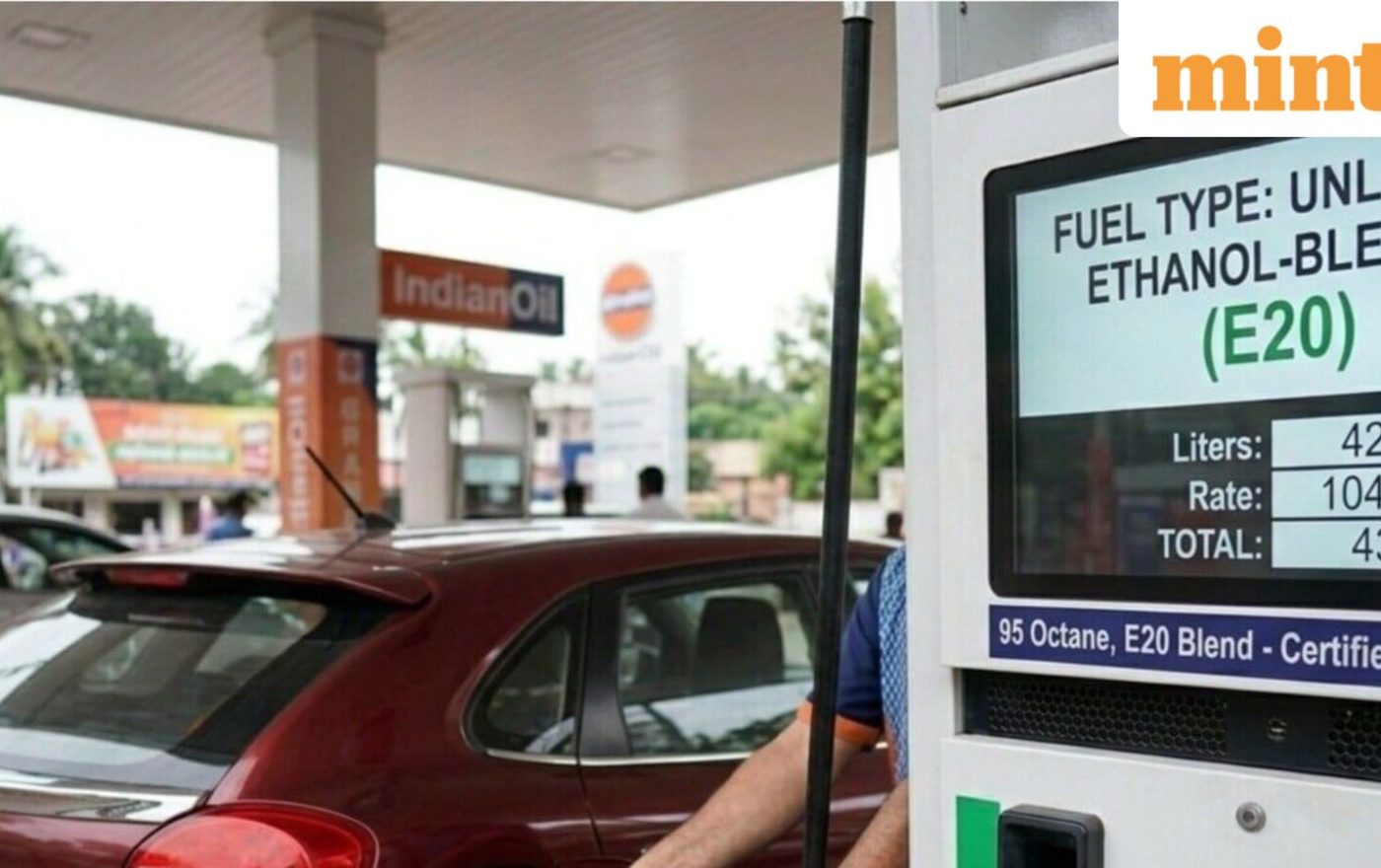
E20 Petrol Woes Persist: Survey Shows Major Mileage Drop for Pre-2023 Cars
Theindiapostdaily.com – E20 petrol woes persist across India as the nation’s push toward higher ethanol blends faces mounting challenges from frustrated drivers. A recent landmark ruling by the Raipur District Consumer Disputes Redressal Commission on July 16, 2026, has brought renewed attention to these ongoing concerns. The commission ordered Maruti Suzuki and its authorized dealer to either replace a 2024 Grand Vitara Strong Hybrid or provide a full refund to the owner who reported persistent engine complications linked to E20 fuel usage.
Survey Reveals Widespread Mileage Decline
A comprehensive LocalCircles investigation involving over 45,000 participants from 309 districts has uncovered troubling patterns among pre-2023 petrol vehicle owners. More than a year following the country’s complete E20 petrol distribution, the data reveals that 67% of respondents experienced mileage reductions exceeding 10% compared to early 2025 levels. Among those who provided specific mileage data—22,541 individuals—nearly one quarter reported declines surpassing 20%.
Only 13% of survey participants indicated they had observed no measurable effect on their vehicle’s fuel economy since the E20 rollout.
These results mirror findings from earlier surveys conducted during May and June, demonstrating that the issue has evolved from a temporary concern into a sustained problem affecting numerous drivers nationwide. The consistency of these findings across multiple survey periods strengthens the case that E20 petrol woes persist as a genuine consumer issue rather than an isolated phenomenon.
Wear and Tear Issues Escalate Among Drivers
Beyond reduced fuel efficiency, vehicle owners are documenting increasing mechanical complications. The latest survey indicates that 45% of pre-2023 petrol car owners have encountered unusual deterioration or required additional repairs for critical components including fuel lines, injectors, fuel pumps, engines, and fuel tanks since early 2025.
This figure represents a substantial increase from the 29% reported in May 2026, signaling growing anxiety among motorists. Common complaints encompassed rough engine idling, heightened vibrations, difficult cold starts, diminished acceleration, and more frequent service visits. These mechanical issues compound the financial burden on car owners who are already experiencing reduced fuel economy.
Problems Extend to Newer Vehicles Too
While older vehicles appear more vulnerable, the survey suggests the phenomenon affects newer models as well. A separate LocalCircles study encompassing more than 22,000 owners of petrol vehicles acquired in 2023 and 2024 revealed that 59% experienced mileage drops greater than 10% since early 2025. One in four of these respondents noted reductions exceeding 20%, despite manufacturers marketing these vehicles as compatible with E20 fuel.
LocalCircles emphasized that the magnitude of reported fuel economy losses surpasses official government projections, potentially pointing to quality issues extending beyond ethanol concentration alone. The organization identified several possibilities, including petrol adulteration, ethanol levels exceeding the mandated 20%, and water contamination throughout the distribution network. An independent investigation and consistent, transparent monitoring of ethanol content at retail stations were recommended.
Official Positions Remain Unchanged Despite Concerns
Government authorities continue to defend the E20 program despite consumer complaints. Officials have acknowledged that vehicles not specifically calibrated for the higher ethanol blend may experience efficiency reductions of approximately 3% to 5%. Controlled evaluations performed by the Automotive Research Association of India (ARAI) corroborated this range, documenting mileage decreases between 2% and 6%.
Union Road Transport and Highways Minister Nitin Gadkari has consistently stated that insufficient evidence exists to confirm E20 causes engine damage. Multiple agencies—including ARAI, the Society of Indian Automobile Manufacturers (SIAM), the Indian Institute of Petroleum (IIP), and Indian Oil Corporation Limited (IOCL)—have published findings showing no abnormal engine deterioration when E20 is utilized in vehicles manufactured according to established standards.
Nevertheless, the current survey data indicates that numerous drivers continue encountering difficulties during everyday driving conditions, validating the consumer court’s decision to intervene in the Maruti Suzuki case. As E20 petrol woes persist, consumers are calling for greater transparency and accountability from both manufacturers and fuel distributors to ensure that the transition to cleaner fuels does not come at the expense of vehicle performance and reliability.