Tickled pink: India’s sushi craze drives surge in imports of ginger palate cleanser
Tickled pink by the vibrant hue of Japanese cuisine, India is experiencing a culinary transformation that extends far beyond the sushi rolls themselves. While
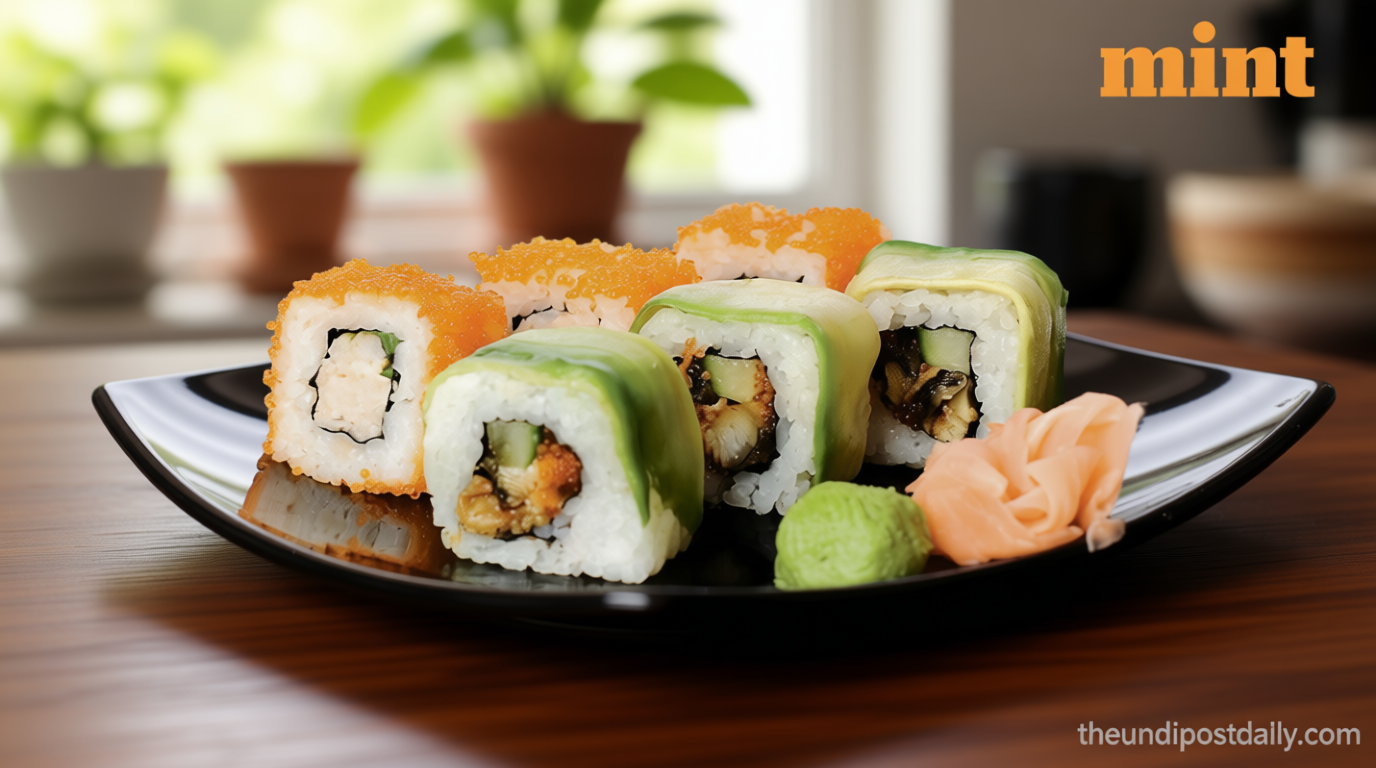
Tickled Pink: India’s Sushi Revolution Fuels Ginger Import Boom
Theindiapostdaily.com – Tickled pink by the vibrant hue of Japanese cuisine, India is experiencing a culinary transformation that extends far beyond the sushi rolls themselves. While chai, curry, and chutney have long held the hearts of Indian food lovers, a new star has emerged from the East. This pink-hued companion, served as delicate paper-thin strips alongside sushi, represents more than just a garnish—it symbolizes India’s growing appetite for authentic Japanese flavors.
The phenomenon is particularly evident in urban centers where Japanese restaurants have multiplied in recent years. What was once an exotic dining option has become a mainstream choice for millennials and Gen Z consumers seeking diverse culinary experiences. This shift has created ripple effects throughout India’s import and food supply chains, with one particular ingredient seeing unprecedented demand.
The Ginger Connection: From Kitchen Staple to Global Commodity
Ginger, already a cornerstone of Indian cooking, has found new life as gari—the traditional Japanese palate cleanser. Unlike the robust, spicy ginger used in Indian curries, sushi ginger is sweet, tangy, and distinctly pink in color. This transformation occurs through a meticulous process of pickling in vinegar, sugar, and salt, which not only preserves the ginger but gives it its characteristic hue and flavor profile.
Industry sources indicate that imports of sushi-grade ginger have surged dramatically as Japanese restaurants proliferate across major Indian cities. The demand has grown so significantly that suppliers are now sourcing larger quantities to meet the needs of both established restaurants and new entrants in the market. This trend reflects a broader pattern of globalization in India’s food sector, where international cuisines are not merely imported but adapted and embraced by local consumers.
“The pink ginger has become almost as essential to the sushi experience as the rice and fish itself,” notes one Mumbai-based restaurant owner. “Customers expect it, and when it’s missing, they notice.”
Beyond the restaurant industry, the sushi ginger trend has influenced retail markets as well. Supermarkets and specialty food stores now stock packaged gari alongside other Japanese ingredients, catering to home cooks who wish to recreate authentic sushi experiences. This retail expansion has further driven import volumes, creating a sustainable supply chain for this once-niche product.
The economic implications extend beyond ginger alone. As India’s sushi culture grows, so does the demand for complementary ingredients—soy sauce, wasabi, nori, and premium seafood. However, the pink ginger remains a standout success story, embodying the fusion of traditional Japanese techniques with India’s vibrant food culture.
Looking ahead, industry analysts predict continued growth in this segment. With more Indian consumers developing sophisticated palates and seeking authentic international dining experiences, the demand for quality sushi ginger is expected to remain strong. The tickled pink sensation has arrived in India, and it shows no signs of fading anytime soon.