Multiple discoms may supply power through existing distribution networks
New Delhi: A significant shift in India's power distribution landscape could soon take shape as the consultative committee of the power ministry deliberated
Framework for Multiple Discoms May Supply Power Through Existing Networks
Theindiapostdaily.com – New Delhi: A significant shift in India’s power distribution landscape could soon take shape as the consultative committee of the power ministry deliberated on a comprehensive framework. This proposal would enable multiple discoms may supply power through existing distribution networks across various states, marking a departure from the traditional model. According to an official statement released on Friday, the discussion centered on streamlining electricity delivery while fostering healthy competition among service providers.
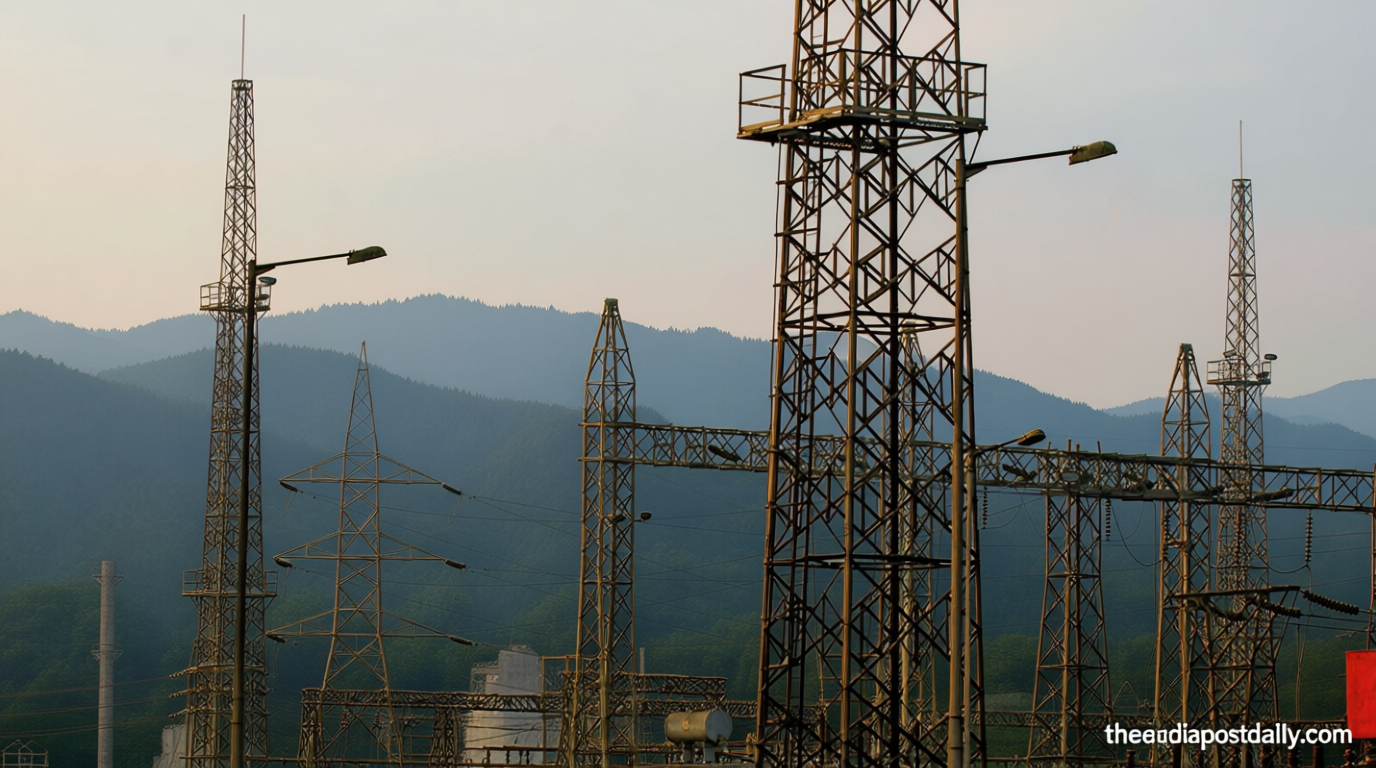
Under the current legal framework, more than one distribution licensee can operate within the same geographical area. However, each licensee must independently establish its own distribution network. This requirement has led to substantial duplication of infrastructure, including poles, transmission lines, and substations. Such redundancy not only inflates capital expenditure but also discourages fresh investment in the sector. Consequently, resources remain underutilized, creating inefficiencies that affect both consumers and industry stakeholders.
Consumer Choice and Regulatory Safeguards
The proposed framework seeks to address these challenges by enabling competition in electricity supply without mandating the duplication of physical distribution networks. Existing distribution licensees will continue to own, operate, and maintain their established networks. Meanwhile, new distribution licensees will gain access to these networks by paying regulated wheeling charges. They will also retain the flexibility to develop their own infrastructure wherever permitted by the respective State Electricity Regulatory Commission.
Union Power Minister Manohar Lal chaired the meeting on Thursday and emphasized that state electricity regulatory commissions would develop a detailed implementation framework. This framework aims to ensure fairness, transparency, and non-discriminatory access to the network. The minister highlighted that the proposal fully protects the interests of incumbent distribution licensees and their employees. Furthermore, all distribution licensees will remain bound by the universal service obligation under the Electricity Act, preventing selective supply only to profitable consumers.
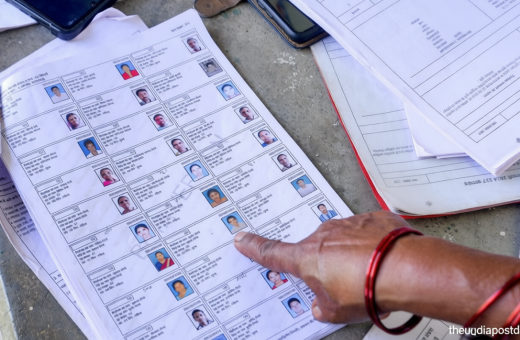
Consumers will enjoy greater freedom to choose their electricity supplier, mirroring the choices available in sectors like telecommunications and aviation. This increased competition is expected to drive better consumer service, improved reliability, and greater innovation. Operational efficiency will also see enhancements while ensuring optimal utilization of existing infrastructure and avoiding unnecessary expenditure.
The draft bill to amend the Electricity Act, 2003, released in October last year, revived the government’s plans to open up India’s power distribution sector. This initiative allows multiple discoms may supply power to a single area through existing distribution infrastructure. However, the proposal of many distribution licensees operating in a single service area has remained contentious. Several states, power sector employees, and central trade unions have opposed it, leading to several amendments proposed by the government in the draft Electricity Act, 2025.
Shailendra Dubey, chairman of the All India Power Engineers Federation (AIPEF), cautioned that the proposed amendment may not necessarily bring reliable power supply or ensure efficient utilization of infrastructure. He noted that while the network would remain unchanged, the number of suppliers would increase.