Explained: What is the US-Saudi Arabia nuclear deal, and why is it raising concerns?
Explained clearly, the Trump Administration has unveiled a comprehensive civil nuclear agreement with Saudi Arabia, allowing the Gulf kingdom to develop a

Explained: US-Saudi Arabia Nuclear Deal Sparks Debate
Theindiapostdaily.com – Explained clearly, the Trump Administration has unveiled a comprehensive civil nuclear agreement with Saudi Arabia, allowing the Gulf kingdom to develop a civilian nuclear energy program using American technology. This landmark deal has sparked considerable debate regarding potential nuclear proliferation threats and the likelihood of triggering an arms race across the Middle East. The agreement represents one of the most significant diplomatic achievements of the current administration, though it has not been without controversy.
What the Explained Agreement Entails
Officially designated as a 123 Agreement under the US Atomic Energy Act, this framework outlines extensive civil nuclear collaboration between Washington and Riyadh. The essential components include several key provisions that have been carefully negotiated over months of diplomatic discussions. Saudi Arabia gains authorization to construct a civilian nuclear energy system employing US-developed technology, marking a significant shift in American nuclear policy toward the region.
American corporations are anticipated to construct nuclear reactors within the kingdom, securing contracts valued at tens of billions of dollars throughout the next several decades. This arrangement bolsters Saudi Arabia’s Vision 2030 initiative aimed at reducing oil dependency and diversifying the economy. The economic implications extend far beyond nuclear energy, potentially transforming Saudi Arabia’s industrial landscape and creating thousands of jobs in the construction and energy sectors.
The agreement must now undergo Congressional review, a critical step that could alter its final form. Should lawmakers not reject it during the designated review window, the pact becomes effective. This legislative process typically takes several months, during which time public opinion and political dynamics may influence the outcome significantly.
The Enrichment Question Explained
Uranium enrichment capabilities have emerged as the central point of contention in this agreement. Various reports indicate the agreement permits Saudi Arabia to enrich uranium and reprocess spent nuclear fuel—processes vital for civilian power generation yet capable of supporting nuclear weapons production. This dual-use nature of the technology has raised eyebrows among nuclear experts and policymakers alike.
There will be no enrichment of material!
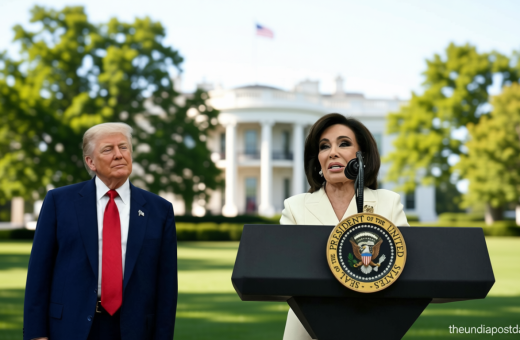
President Donald Trump addressed this concern directly through his Truth Social platform, attempting to reassure skeptics about the agreement’s limitations. The complete agreement text remains undisclosed, creating ambiguity regarding specific enrichment terms. Experts note that the distinction between civilian and military enrichment lies primarily in the level of uranium concentration and the facilities used for processing.
Geopolitical Implications Explained
This accord delivers substantial diplomatic benefits to both nations. For Washington, the agreement reinforces relationships with a key Middle Eastern partner, discourages Saudi Arabia from seeking nuclear technology from China or Russia, and opens commercial avenues for American nuclear enterprises. The strategic positioning of this deal cannot be overstated, as it counters growing Chinese and Russian influence in the region.
Riyadh benefits through advancement of its civilian nuclear ambitions, continued economic diversification efforts, and access to cutting-edge US nuclear technology. The timing of this agreement is particularly significant, coming as Saudi Arabia seeks to position itself as a regional leader in energy innovation and technological advancement.
Concerns and Criticisms Explained
Weapons Potential
Opponents emphasize that uranium enrichment and fuel reprocessing represent technologies convertible to weapons-grade material production. While civilian reactor enrichment typically involves lower levels, the existing infrastructure could theoretically expand for military applications. Crown Prince Mohammed bin Salman previously indicated that Saudi Arabia would pursue nuclear weapons if Iran acquires them, adding urgency to these concerns.
Reduced Inspection Standards
A significant criticism involves the agreement’s reported omission of the International Atomic Energy Agency’s Additional Protocol. This protocol enables inspectors to perform unannounced examinations at undisclosed nuclear facilities, representing one of the most robust safeguards against covert nuclear activities. Unlike the Biden administration’s earlier proposal, the Trump version reportedly excludes this requirement, which has drawn particular scrutiny from nuclear nonproliferation advocates.
Regional Arms Race Possibilities
With ongoing US-Iran tensions surrounding Tehran’s nuclear programme, analysts caution that enhanced Saudi nuclear capabilities might motivate other regional nations to pursue comparable programmes, intensifying Middle Eastern nuclear competition. Countries such as Egypt, Turkey, and the United Arab Emirates have expressed interest in developing their own nuclear programs, potentially triggering a cascade of regional nuclear development.
Lawmaker Opposition
Several US politicians have voiced disapproval. Senator Bernie Sanders contended the agreement undermines Washington’s proclaimed goal of preventing nuclear proliferation, suggesting the administration permits Saudi Arabia to develop capabilities similar to those it opposes in Iran. This criticism highlights the broader debate about consistency in American foreign policy regarding nuclear nonproliferation.
Senator Edward Markey warned the agreement “would make us all less safe,” arguing it could fuel an arms race in the region.
Administration Response Explained
The Trump administration maintains that the agreement incorporates robust protective measures. Secretary of State Marco Rubio stated that any civil nuclear arrangement would feature safeguards ensuring it “can’t be turned into a weapons programme.” Energy Secretary Chris Wright characterized the pact as satisfying “the highest standards of nuclear safety and nonproliferation” while advancing American strategic and commercial interests. These assurances, however, have not entirely quelled concerns among critics who believe the agreement goes too far in granting Saudi Arabia nuclear capabilities.
As the Congressional review process continues, the full implications of this agreement will become clearer. The outcome will not only shape US-Saudi relations for decades to come but may also influence the broader nuclear landscape of the Middle East. Whether this deal represents a prudent step toward regional stability or a dangerous precedent remains a subject of ongoing debate among experts and policymakers alike.