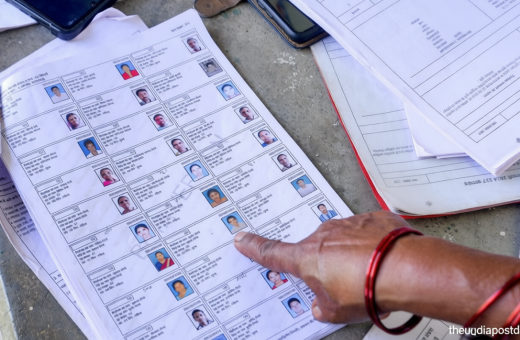
Parliamentary panel asks Centre to speed up digital overhaul of public distribution system
Theindiapostdaily.com – ```html Parliamentary Panel Urges Centre to Accelerate Digital Food Distribution Overhaul A parliamentary panel has asked the Centre to speed up the comprehensive digital transformation of India's public…
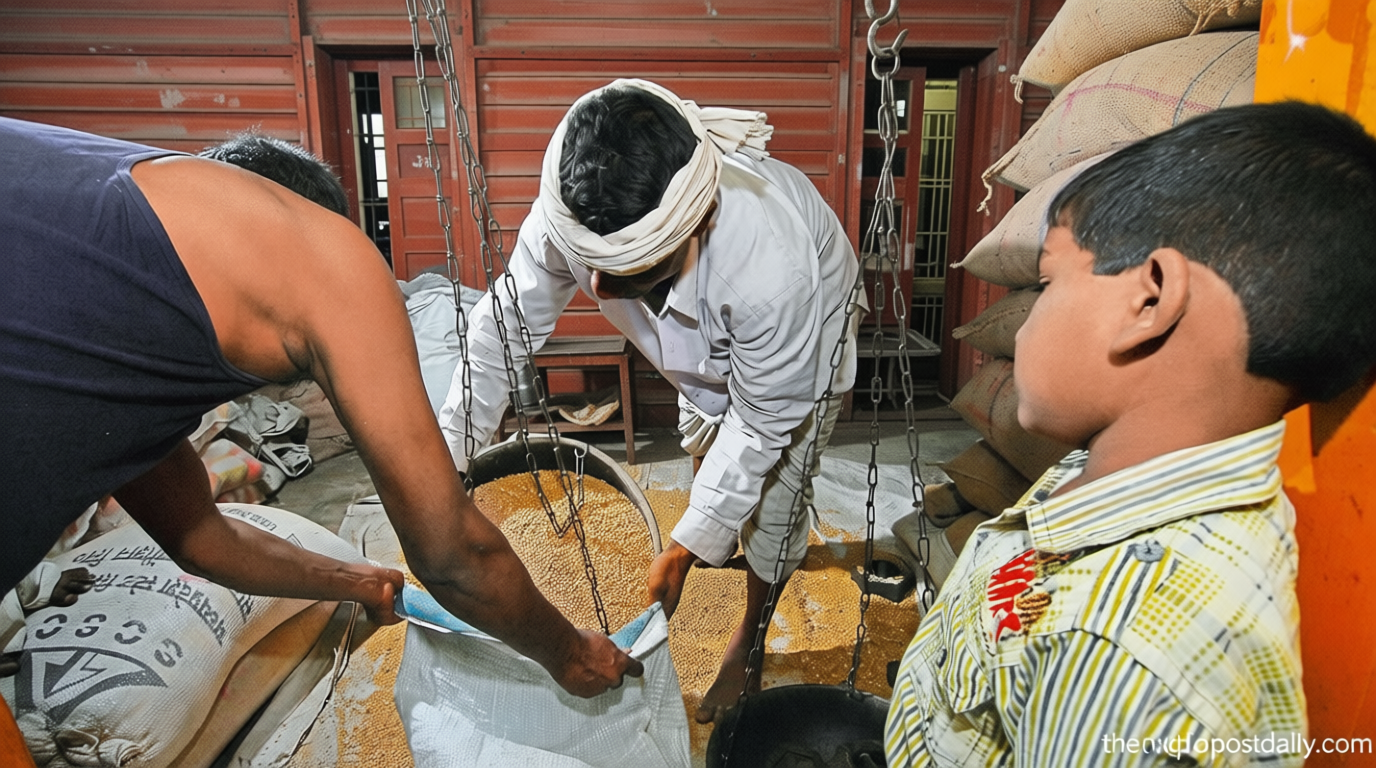
Theindiapostdaily.com – “`html
Parliamentary Panel Urges Centre to Accelerate Digital Food Distribution Overhaul
A parliamentary panel has asked the Centre to speed up the comprehensive digital transformation of India’s public distribution system through the SMART-PDS initiative. This critical reform program, backed by a ₹349.9 crore allocation, seeks to modernize the nation’s food subsidy network that serves approximately 800 million citizens across all states and union territories.
The committee overseeing consumer affairs, food, and public distribution emphasized that the next phase of reforms must focus on building an integrated digital infrastructure capable of real-time operations. Such a platform would significantly improve beneficiary identification, strengthen supply chain monitoring, and reduce subsidy leakages throughout the distribution network.
Initial Digitization Success and Card Rationalization
Following the completion of the first phase of digitization, the committee reported substantial achievements in modernizing the distribution system. Approximately 205 million ration cards covering nearly 800 million beneficiaries have been successfully converted to digital format. These modernization efforts simultaneously removed 67.7 million cards identified as either duplicates or ineligible between 2013 and December 2025, substantially improving subsidy targeting accuracy.
The department of food and public distribution should ensure time-bound implementation of SMART-PDS across all states and Union territories, complete integration with agencies such as the Food Corporation of India (FCI), Central Warehousing Corporation (CWC) and other ministries, and establish national dashboards, command-and-control centres, cloud infrastructure and technical helpdesks as core components of the new system.
Consolidating Achievements Through Systematic Reforms
Kanimozhi Karunanidhi, the DMK parliamentarian chairing the committee, stressed that recent accomplishments require consolidation through systematic reforms. The panel identified several critical areas needing immediate attention: closing supply-chain computerization gaps, finalizing pending SMART-PDS modules, and maintaining ongoing database purification efforts to guarantee subsidies reach legitimate recipients.
Data analytics revealed 29.1 million potentially problematic beneficiaries requiring further verification. This category encompasses 22 million “silent” ration cards, over 3.4 million deceased individuals still holding active cards, approximately 3 million duplicate entries, 560,000 beneficiaries exceeding 100 years of age, and more than 210,000 single-member cards where the sole holder remains under 18 years old.
The committee advised conducting field verification of these cases through mission-mode operations while implementing strong grievance mechanisms to prevent wrongful exclusion of qualified beneficiaries from the distribution system.
Building a Unified National Digital Platform
A cornerstone recommendation involves establishing a comprehensive national digital ecosystem for food distribution. This platform would consolidate procurement, allocation, warehousing, transportation, ration card administration, biometric verification, complaint resolution, and payment processing into a single operational framework. Real-time monitoring capabilities and evidence-based policy formulation would emerge as primary benefits of this unified approach.
Interoperability standards, cybersecurity protocols, cloud infrastructure, and technical support services must function as indispensable foundations for successful SMART-PDS deployment, according to the committee’s comprehensive assessment.
Addressing Regional Implementation Disparities
Despite considerable digitization progress nationwide, the committee documented notable variations in state-level performance. Bihar leads with complete digitization and over 98% Aadhaar card linkage, whereas Meghalaya trails at 73% Aadhaar seeding. Telangana continues operating 80 fair price shops without digital connectivity, while Tamil Nadu maintains 403 offline outlets in areas lacking network coverage. Kerala has additionally requested an integrated enterprise resource planning platform for its PDS operations.
To bridge these implementation gaps, the committee proposed establishing a structured cross-learning mechanism under SMART-PDS. High-performing states would assist lagging regions through technical assistance, capacity building, and standardized operational procedures to ensure uniform progress across all states.
Tackling Operational Challenges and Technology Adoption
Recurring difficulties emerged during implementation, including biometric authentication problems affecting elderly citizens and manual workers, inadequate internet connectivity, insufficient module customization, delayed grievance resolution, and inconsistent adoption of the Anna Chakra route-optimization system.
Acceptance rates for optimized transport routes varied dramatically across states: Bihar embraced nearly all recommendations, Tamil Nadu accepted 20%, and Kerala registered zero adoption of the route optimization system, highlighting the need for tailored implementation strategies.
“`