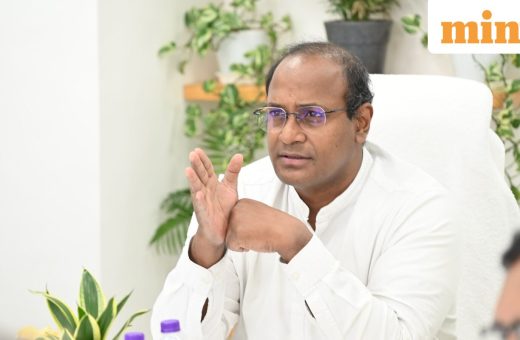
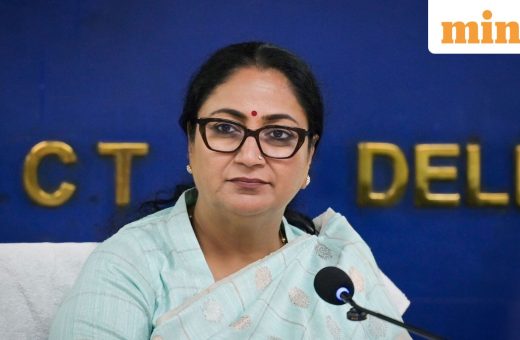
Sushmita Dev resigns as Rajya Sabha MP in massive setback for Mamata Banerjee – 2nd in two days
Sushmita Dev Resigns as Rajya Sabha MP: Second Major Exit for Trinamool Congress Theindiapostdaily.com – Sushmita Dev has officially resigned from her position as a Rajya Sabha member, marking a…
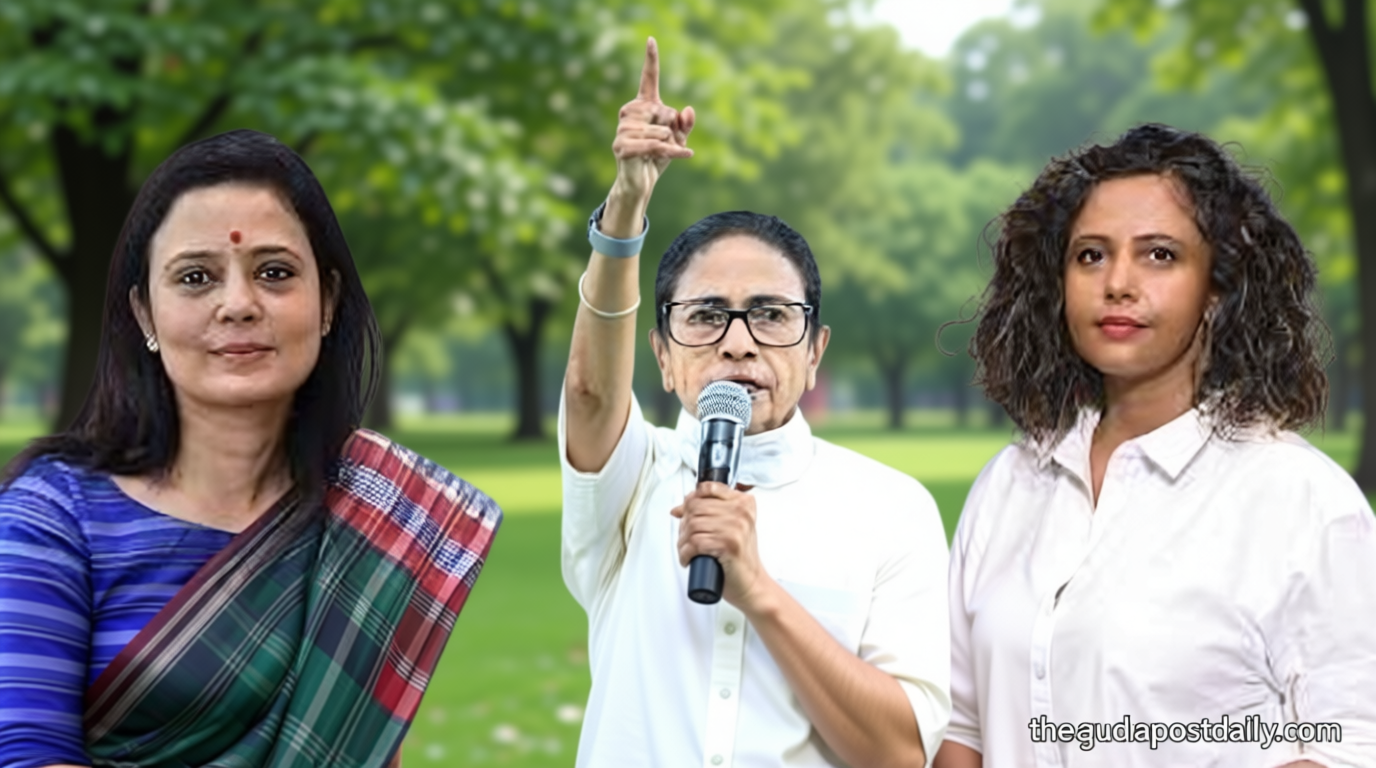
Sushmita Dev Resigns as Rajya Sabha MP: Second Major Exit for Trinamool Congress
Theindiapostdaily.com – Sushmita Dev has officially resigned from her position as a Rajya Sabha member, marking a pivotal moment in the Trinamool Congress (TMC) as it faces its second major defection in less than two days. This move comes amid growing political uncertainty in West Bengal, where the ruling party has been grappling with internal dissent and leadership challenges following its recent electoral setbacks. Dev’s decision to step down adds pressure to Mamata Banerjee’s administration, which is already navigating a complex political landscape after losing key legislative seats in the recent state assembly elections.
Resignation and Immediate Implications
The resignation of Sushmita Dev, a prominent TMC leader, was formally submitted to Rajya Sabha Chairman CP Radhakrishnan. In a clear and concise statement, she announced her departure, stating, “I do hereby resign from the membership of Rajya Sabha, which may please be accepted with immediate effect.” Her exit follows the previous resignation of Sukhendu Sekhar Ray, another TMC MP, who had also withdrawn from the upper house just a day earlier.
“I convey my sincere gratitude to your Excellency, Honorable Deputy Chairman, and all functionaries of the Rajya Sabha Secretariat for their support during my tenure,” she added in her letter.
Dev’s departure is significant not only because of her high-profile status but also due to the timing. Her resignation comes as the TMC seeks to consolidate its position ahead of crucial state and national elections. Analysts suggest that her decision may reflect broader dissatisfaction within the party, particularly with Mamata Banerjee’s leadership and the party’s performance in recent polls.
Political Motivations and Leadership Dynamics
Sushmita Dev’s exit appears to be driven by ideological differences and strategic realignments. While she did not specify the exact reasons for her resignation, her statement hinted at a desire to distance herself from the TMC’s current trajectory. “I have left the party. It’s a long story why I did so,” she told reporters, adding, “I don’t want to be in two boats at the same time.” This remark underscores the internal friction within the party, with some members questioning Mamata Banerjee’s ability to unite the leadership.
“The TMC’s poll drubbing is a result of its 15-year anarchical rule,” Sukhendu Sekhar Ray had previously stated in his resignation message, reflecting a growing sentiment of disillusionment among senior members.
Dev’s resignation may signal a shift in political alliances. Her potential alignment with the BJP or other opposition parties could disrupt the TMC’s dominance in West Bengal. Analysts note that her exit, combined with the departure of Ray, highlights a weakening of the party’s upper house representation and a possible strategy to weaken Mamata Banerjee’s electoral prospects.
Historical Context and TMC’s Challenges
Dev’s political journey has been marked by transitions. Previously associated with the Congress party, she joined the Trinamool Congress in 2011, aligning with Mamata Banerjee’s rise to power in West Bengal. Her resignation, however, suggests a growing divergence in priorities. The TMC’s leadership has faced scrutiny for its handling of several high-profile issues, including corruption allegations and governance challenges, which have eroded public confidence.
Meanwhile, Sukhendu Sekhar Ray’s resignation adds to the TMC’s internal struggles. Ray, who had served as a Rajya Sabha member since 2022, cited “difficulty” in continuing his role, though his statement also pointed to the party’s broader political missteps. His decision to resign in principle from the TMC further indicates a rift within the leadership, with some members advocating for a more structured approach to governance.
Earlier Resignations and Political Realignments
On June 9, veteran TMC leader Sukhendu Sekhar Ray resigned from the Rajya Sabha, signaling a major shift in the party’s dynamics. In his resignation message, Ray emphasized the TMC’s electoral losses as a consequence of its 15-year rule, stating, “My tenure was up until 2029, but I resigned in principle from the party.” This decision came after he had communicated his intentions via WhatsApp and email to Mamata Banerjee, highlighting the growing dissatisfaction among senior members.
Dev’s resignation follows closely on the heels of Kakoli Ghosh Dastidar’s departure from party posts in May. Dastidar, a Lok Sabha MP, had publicly criticized the TMC’s leadership, pointing to corruption allegations and the RG Kar controversy. Her exit was accompanied by a formal request for separate seating arrangements from the Lok Sabha Speaker, aligning her with the National Democratic Alliance (NDA) and indicating a potential realignment of political forces.
Electoral Fallout and Future Prospects
The TMC’s recent wave of resignations has intensified speculation about its future stability. With key figures leaving the party, Mamata Banerjee’s ability to maintain a cohesive leadership structure is under question. Analysts warn that these defections could further destabilize the party’s electoral base, especially in a state where the TMC has traditionally held a strong majority.
Dev’s exit, in particular, could have implications for the upcoming assembly elections. As a Rajya Sabha member, she had played a role in shaping the party’s legislative agenda. Her departure may create a vacuum in key political positions, potentially allowing rival parties to capitalize on the TMC’s internal weaknesses. Political observers suggest that these resignations are part of a larger strategy to fragment the opposition and weaken Mamata Banerjee’s position.
With inputs from agencies