As Dharmendra Pradhan faces resignation calls, a look at India’s most notable moral resignations
```html As Dharmendra Pradhan Faces Resignation: India's Moral Resignation History
Theindiapostdaily.com – “`html
As Dharmendra Pradhan Faces Resignation: A Look at India’s Moral Resignation Legacy
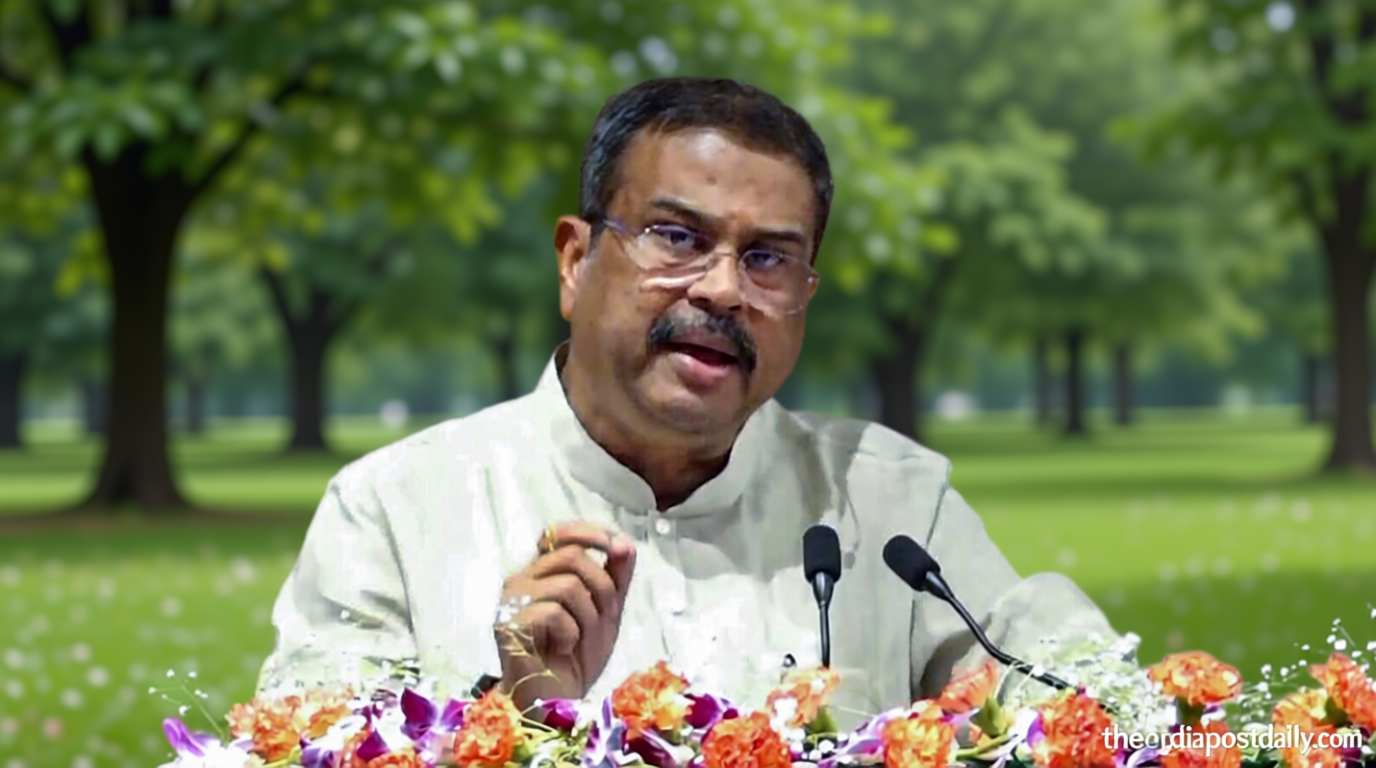
As Dharmendra Pradhan faces resignation calls amid the NEET examination controversy, India’s political landscape is witnessing renewed debate over ministerial accountability. The Education Minister has become the center of attention following police actions against student demonstrators and mounting criticism from opposition leaders. While demands for him to step down continue to grow, the government has maintained its confidence in his leadership.
The minister has been particularly vocal in defending his position, directing sharp criticism toward Congress leader Rahul Gandhi. Pradhan accused Gandhi of exploiting students as political instruments to create disruption during Parliament’s Monsoon Session. Despite these public exchanges, no formal decision has been made regarding the minister’s future in the cabinet.
Indian political history offers valuable context for understanding such situations. The tradition of moral resignations dates back decades, with numerous cabinet members voluntarily stepping down when they felt responsible for departmental failures. This practice reflects a deep-rooted sense of accountability in Indian governance.
Historical Precedents from the Nehru Era
One of the earliest examples involves Lal Bahadur Shastri, who served as Railway and Transport minister under Jawaharlal Nehru. On November 23, 1956, the Ariyalur train disaster in Tamil Nadu claimed approximately 140 to 150 lives when a bridge collapse sent a passenger train into a river. Shastri immediately accepted moral and political responsibility, offering his resignation even though personal fault was not established. Prime Minister Nehru had previously persuaded him to stay after an earlier rail accident, but this time the resignation was accepted.
Another significant case from this period concerned TT Krishnamachari, the Finance Minister. The Mundhra financial scandal emerged when the Life Insurance Corporation of India invested roughly ₹1.26 crore in enterprises controlled by industrialist Haridas Mundhra. Feroze Gandhi, the Congress MP and husband of Indira Gandhi, highlighted this issue. Krishnamachari resigned not because of personal corruption but due to administrative oversight that allowed the scandal to occur during his tenure.
V K Krishna Menon also resigned from Nehru’s cabinet as Defence Minister following the 1962 Sino-India conflict. Indian military forces suffered substantial setbacks and heavy casualties during this war. Menon faced intense criticism regarding inadequate army preparation and ultimately stepped down in October 1962 under political pressure.
Later Decades and Recent Examples
Nitish Kumar’s resignation as Railway Minister in 1999 remains one of the most cited examples. On August 2, 1999, two trains collided in Gaisal, West Bengal, killing 280 people due to signalling and operational deficiencies. Kumar promptly accepted moral responsibility and left his ministerial position.
Shivraj Patil’s departure following the 26/11 Mumbai terror attacks represents another prominent case. The attacks exposed critical weaknesses in India’s intelligence coordination, coastal defense, and emergency response. Patil accepted political accountability amid extensive criticism of governmental security readiness.
Vilasrao Deshmukh, then Maharashtra Chief Minister, also resigned after the Mumbai attacks. Public sentiment turned against him following the terrorist incidents, and he chose to leave office after accepting moral responsibility for the state’s response.
Not all resignations are accepted. Mamata Banerjee, who served as railway minister in 2001, presented her resignation following multiple train accidents, but Prime Minister Vajpayee declined to accept her offer. Similarly, Suresh Prabhu tendered his resignation in 2017 on moral grounds after several train derailments under Narendra Modi’s government. Prime Minister Modi refused the resignation and instead conducted a Cabinet reshuffle, appointing Piyush Goyal to the railway portfolio.
As Dharmendra Pradhan faces resignation calls, these historical precedents provide a framework for understanding how such situations typically resolve. Whether his resignation will be accepted or declined remains to be seen, but the tradition of moral accountability continues to shape Indian political culture.
“`