India-US trade deal could be signed in 3-4 months: US official says, ‘Only one major step remaining’ | Read here
The India US trade deal could be finalized within the next few months, according to recent statements from American officials. Negotiations between Washington
India US Trade Deal Could Be Signed Soon: What You Need to Know
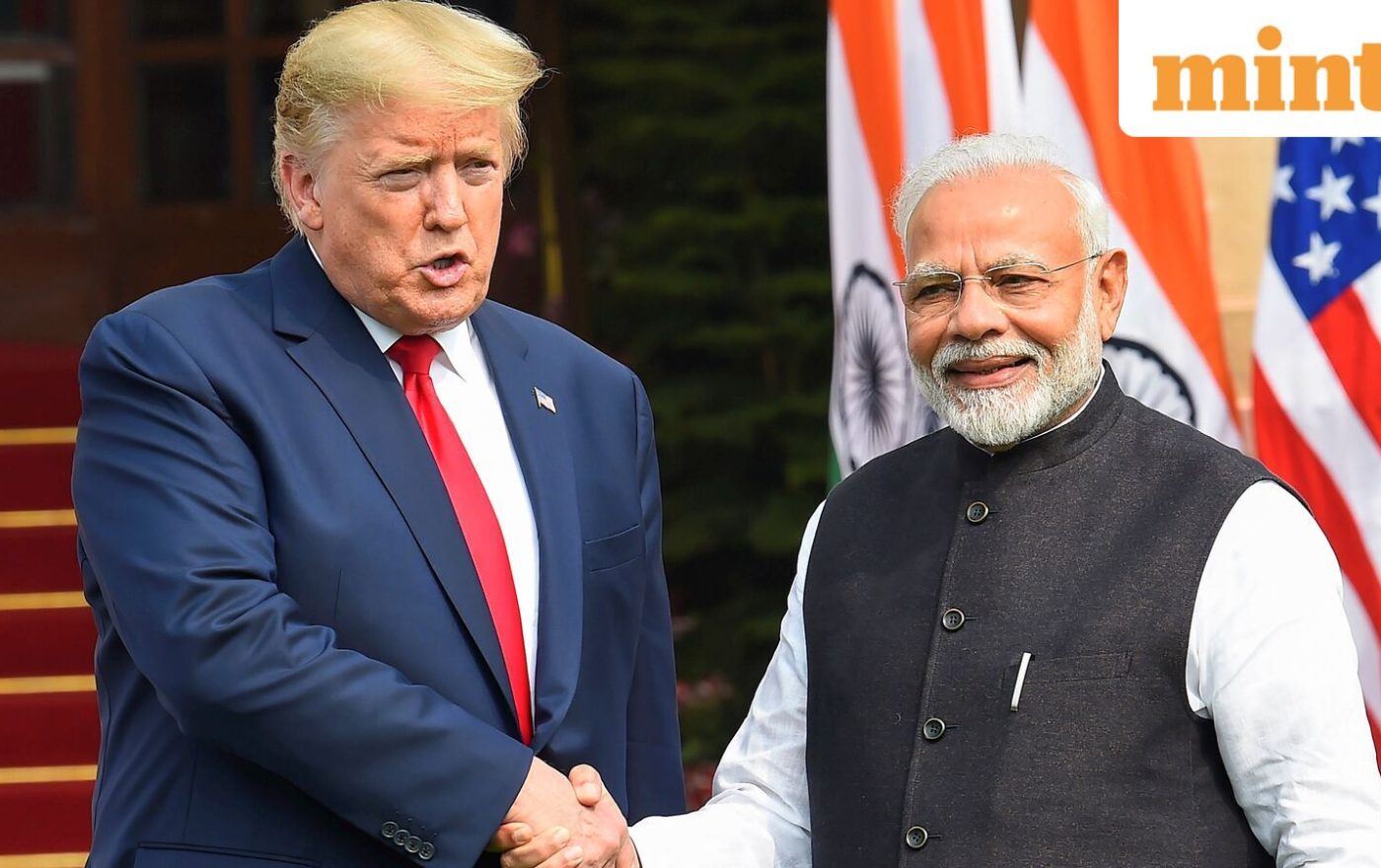
Theindiapostdaily.com – The India US trade deal could be finalized within the next few months, according to recent statements from American officials. Negotiations between Washington and New Delhi have progressed significantly, with both nations working toward a comprehensive agreement that addresses longstanding commercial barriers. A senior US official revealed that only one major step remains before the pact can be officially signed, potentially within three to four months from now.
One Major Step Remaining
Speaking with Reuters, an anonymous US official provided clarity on the current status of negotiations. The official confirmed that the foundational framework is essentially complete. “The deal… is there. We literally have the paper,” the official stated, emphasizing that the substantive work has been accomplished. The remaining challenge involves Washington completing its Section 301 trade investigations, which examine whether certain countries engage in unfair commercial practices that warrant tariffs or other countermeasures.
“One Section 301 probe covering 60 countries was expected to conclude this week or next. Once that and other ongoing investigations are completed, we’ll start seeing progress, not just in India but in other places,” the official explained.
When pressed about the specific timeline, the official suggested that three to four additional months would likely be sufficient to wrap up remaining procedures and prepare for the signing ceremony.
Building on Strong Bilateral Ties
US Ambassador to India Sergio Gor shared similar optimism during his remarks earlier last month. The ambassador noted that the vast majority of the agreement has been settled, with only minor details awaiting resolution on both sides. “Most of this deal is complete. A few items remain on both sides. It’s in the last 1 per cent of that deal,” Gor observed, highlighting the near-completion of months of intensive negotiations.
Gor placed particular emphasis on the personal relationship between US President Donald Trump and Prime Minister Narendra Modi as a catalyst for accelerating progress. The strong rapport between the two leaders has reportedly helped overcome lingering disagreements and kept momentum going throughout the approximately 18-month negotiation period.
“People ask, Why is this taking so long? We’ve been at this for a year and a half. To put it into perspective, the European trade deal took 20 years. So no matter what, as long as we beat the European deal, I think we’re in good shape. But I’m determined to bring this to a close,” Gor stated.
Tariff Implications for Both Nations
Recent developments have added urgency to the negotiations. Washington recently announced proposed tariffs of up to 12.5% on numerous countries, including India. These potential duties arise from concerns that several nations have not sufficiently addressed trade involving goods manufactured using forced labor practices.
In a related announcement, President Trump declared on Tuesday that generic pharmaceuticals entering the United States would receive tariff-free status for two years starting August 1. After this initial period, such imports would face tariffs of 100% for one year, followed by an increase to 200%. This policy change could have substantial implications for India’s pharmaceutical industry, which serves as the world’s leading exporter of generic medications to the American market.
The potential tariff structure represents both a challenge and an opportunity for Indian businesses. While higher duties could affect profitability, the two-year grace period provides valuable time for companies to adjust their strategies and supply chains accordingly.
As negotiations continue, all eyes remain on Washington and New Delhi to see whether the India US trade deal could indeed be signed within the projected timeframe, potentially reshaping commercial relations between the two nations for years to come.