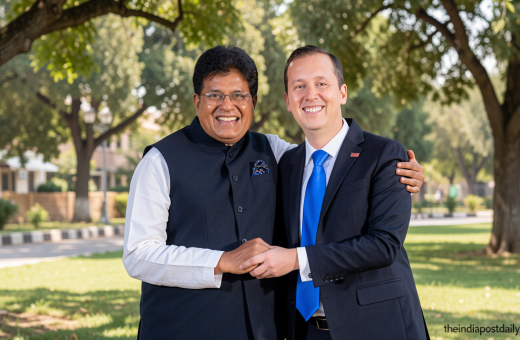
Andy Burnham becomes 7th UK PM in a decade: Here’s a look at his cabinet as Britain reels from political turmoil
Andy Burnham becomes 7th UK PM in a decade: Cabinet overview amid political instability Theindiapostdaily.com – Following the resignation of his predecessor, Keir Starmer, Andy Burnham officially assumed the role…
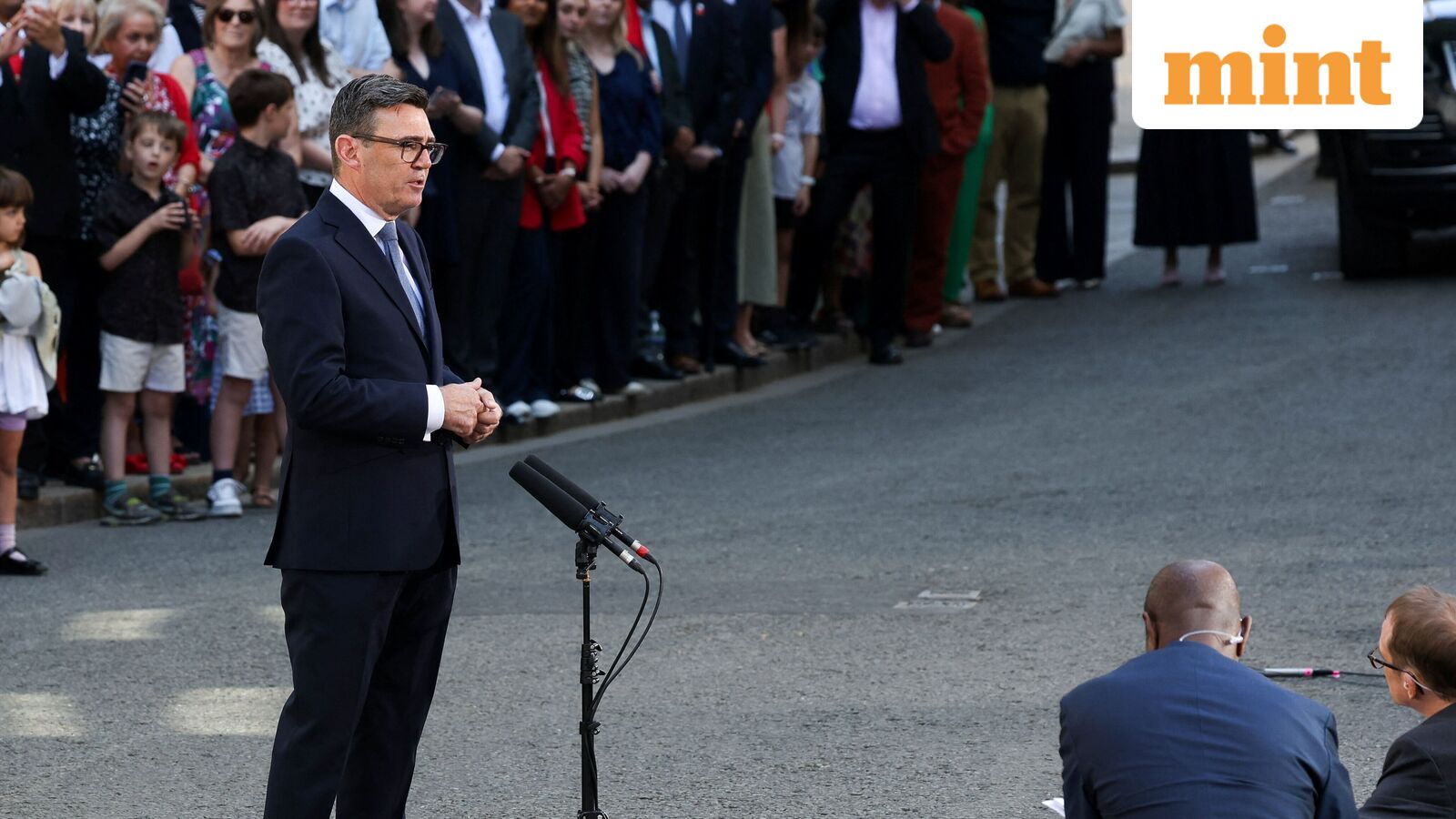
Andy Burnham becomes 7th UK PM in a decade: Cabinet overview amid political instability
Theindiapostdaily.com – Following the resignation of his predecessor, Keir Starmer, Andy Burnham officially assumed the role of the UK’s newest prime minister on Monday. The transition occurred after King Charles III extended an invitation to Burnham to lead the government, which he accepted at Buckingham Palace earlier that day.
We will make this moment a circuit breaker for Britain, bringing forward a new political model and a new economic model.
[We will] build a new economy where we put life’s essentials back under stronger public control to make them affordable again, reindustrializing Britain using public procurement to back British industry.
New Cabinet Appointments
Burnham’s administration includes several key figures, each tasked with critical responsibilities. Among them is John Healey, who has been named chancellor. Healey, a longstanding Labour figure, previously served in ministerial positions during the Tony Blair and Gordon Brown administrations, as well as in shadow cabinets under Ed Miliband and Jeremy Corbyn. His return to the Treasury marks a strategic move, as the department was the reason for his departure from the government in June.
Ed Miliband has been appointed Foreign Secretary, signaling his return to a senior role after the Corbyn era. The former Energy Secretary under Starmer’s leadership brings extensive experience in international relations, which will guide his focus on global diplomacy and foreign policy initiatives.
Shabana Mahmood continues as Home Secretary, where she spearheaded the implementation of tighter migration controls. A former Oxford-trained barrister, she previously held the Justice Secretary position when Labour first returned to power. Mahmood also holds the distinction of being one of the first Muslim women elected to the House of Commons, having secured the Birmingham Ladywood seat in 2010.
Loise Haigh will serve as Chancellor of the Duchy of Lancaster and First Secretary of State. Her role is central to Burnham’s agenda, including driving the devolution process and addressing the cost-of-living crisis. Haigh played a key part in shaping the plan to re-enter Downing Street and rebuild the government’s presence in Westminster.
Yvette Cooper, who previously held Home Secretary and Foreign Secretary posts under Starmer, now oversees health matters as Health Secretary. Her mandate includes overhauling the social care sector, a priority Burnham has emphasized since taking office.
Wes Streeting, once Burnham’s rival in the leadership contest, has been named Defence Secretary. He stepped down as Health Secretary in May, stating that “it is now clear that you will not lead the Labour Party into the next general election,” before announcing his candidacy to replace Starmer.
Pat McFadden, a seasoned Labour leader, will manage Work and Pensions as secretary. Known for his loyalty to Starmer, his role under Burnham may involve balancing party priorities with broader policy goals.
Angela Rayner makes a political comeback as Housing Secretary after resigning from the position under Starmer. Her departure coincided with her role as deputy leader and deputy prime minister, which was linked to tax-related controversies the previous year.
Jonathan Reynolds returns to the cabinet as Business Secretary, resuming a position he held during Labour’s first electoral victory. After serving as chief whip, he will now focus on promoting economic growth and industry innovation.
Lucy Powell, the Manchester Central MP, retains her position as deputy leader while taking on Education Secretary duties. She has been a consistent presence in Starmer’s cabinet, now steering the government’s educational reforms under Burnham’s leadership.
Anneliese Midgley will serve as Chief Whip, a role pivotal to maintaining parliamentary discipline. Burnham’s approach to this position may differ from traditional practices, as he has previously criticized the system used to secure MP support for government decisions.