JD Vance asks DOJ to probe Tim Walz over Minnesota fraud as Ellison calls it a political stunt
JD Vance Asks DOJ to Probe Tim Walz Over Minnesota Fraud Allegations Theindiapostdaily.com – JD Vance has directed the Department of Justice to investigate Minnesota Governor Tim Walz and Attorney…
JD Vance Asks DOJ to Probe Tim Walz Over Minnesota Fraud Allegations
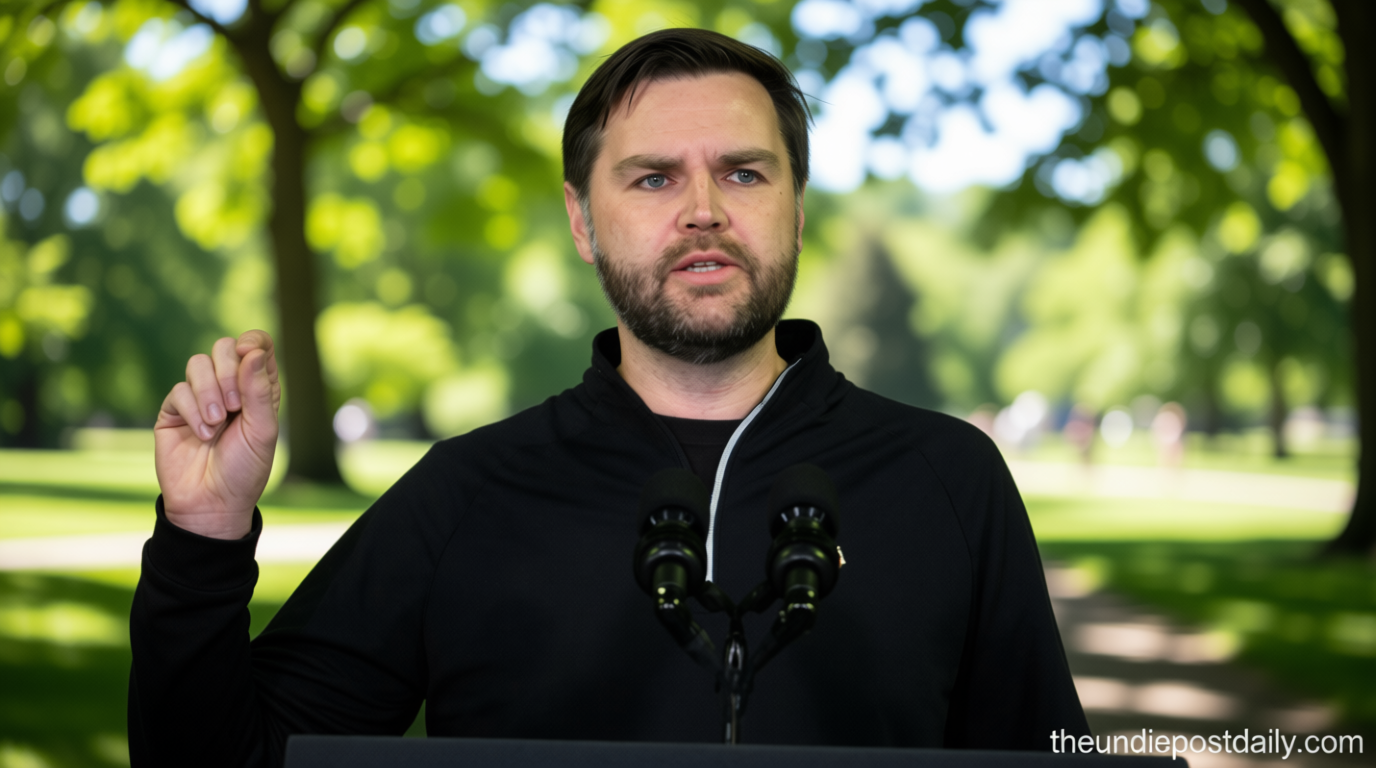
Theindiapostdaily.com – JD Vance has directed the Department of Justice to investigate Minnesota Governor Tim Walz and Attorney General Keith Ellison over alleged taxpayer fraud in state social programs, according to a recent House Republican report. The move has sparked debate, with Ellison accusing the referral as a politically motivated effort to discredit his administration. Vance’s initiative aims to scrutinize whether state leaders knowingly allowed fraudulent practices to persist, diverting critical funds from vulnerable communities.
The House Oversight Committee’s Report and Findings
A 205-page report by the Republican-led House Oversight Committee alleges that Walz and Ellison were aware of widespread fraud within Minnesota’s social service programs but failed to act decisively. The document claims that officials intentionally delayed addressing the issue, prioritizing political stability over financial accountability. It also highlights cases where staff who raised concerns about fraudulent activities were disciplined or sidelined, creating an environment conducive to abuse of public resources.
Vance’s Referral: A Call for Legal Accountability
Vice President JD Vance’s referral to the DOJ underscores a growing demand for transparency in state-level governance. He stressed that the inquiry should examine whether Minnesota officials violated legal principles by allowing fraudulent claims to continue unchecked. The report suggests that as early as 2019, state agencies had the authority to suspend payments to suspected fraudsters but opted for inaction, leaving millions in federal funds vulnerable to misuse. Vance’s action is framed as a necessary step to ensure the law applies equally to all political figures.
“Testimony and documents clearly show that concerns about litigation and discrimination—not legal mandates or law enforcement guidance—were used to justify ongoing payments to suspected fraudsters,” stated House Oversight Committee Chair James Comer. “This pattern of behavior raises serious questions about the integrity of the state’s financial oversight.”
Ellison’s Defense and Political Context
Keith Ellison, the Minnesota Attorney General, dismissed the report as a “political stunt” designed to attack his administration while offering leniency to allies. He argued that the referral lacks substantial evidence and is part of a broader strategy to shift blame away from other political issues. “The people of Minnesota understand the difference between accountability and political theater,” Ellison said, “and they have seen the results of these policies in their communities.”
Walz’s Office Challenges the Committee’s Claims
Minnesota Governor Tim Walz’s office has criticized the House Oversight Committee’s findings, labeling the inquiry as a partisan effort to distract from pressing national concerns. A spokesperson, Teddy Tschann, noted that the committee has historically used “Covid-era fraud” as a tool to focus attention on unrelated issues. “Governor Walz is committed to rooting out corruption, whether in his own administration or elsewhere,” Tschann added. “If the committee wants to address fraud, they should also investigate why Trump’s policies continue to shield perpetrators.”
Details of the Alleged Fraud Scheme
The core of the controversy centers around a $250 million fraud scheme linked to the non-profit Feeding Our Future. The organization was accused of submitting false claims about providing meals to children, while the funds were secretly allocated to support lavish lifestyles and personal expenses. Aimee Bock, the mastermind behind the scheme, received a 42-year prison sentence, with dozens of other individuals, mostly Somali nationals, also facing charges. The case has drawn attention to the potential for abuse within state-funded programs and the need for stricter oversight.
As the DOJ investigates, the dispute has intensified political tensions between the Republican-led House and Democratic officials in Minnesota. The report’s implications extend beyond the state, raising questions about how federal funds are managed and whether leadership is held to the same standards as ordinary citizens. With the investigation ongoing, the outcome could influence future policy debates and public trust in state governance.