India basmati acreage seen rising as strong prices offset monsoon risks
India's Basmati Acreage Expected to Grow Amid Price and Export Dynamics Theindiapostdaily.com – In the upcoming kharif season, India's basmati rice cultivation area is projected to expand, driven by sustained…
India’s Basmati Acreage Expected to Grow Amid Price and Export Dynamics
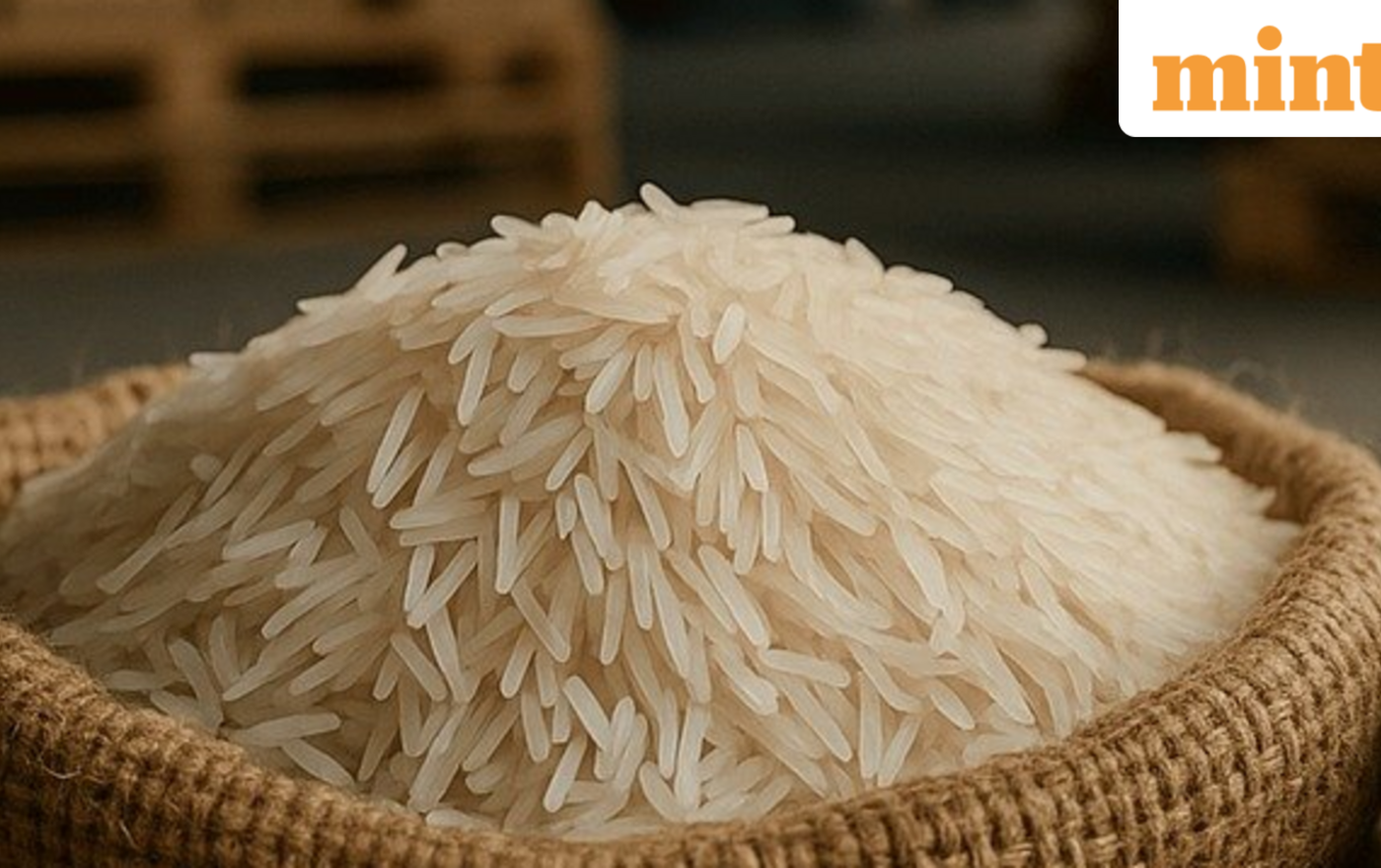
Theindiapostdaily.com – In the upcoming kharif season, India’s basmati rice cultivation area is projected to expand, driven by sustained demand and competitive pricing, even as monsoon irregularities delay traditional paddy planting, industry analysts suggest. Farmers in Punjab, Haryana, western Uttar Pradesh, and Jammu & Kashmir are likely to shift toward short-duration basmati varieties, which mature 20-25 days earlier than standard types, reducing exposure to rainfall uncertainties.
Despite a slower start to paddy sowing, with 16.6 million hectares planted between 1 June and 17 July—down 0.1 million hectares from the previous year—basmati’s premium value has prompted growers to prioritize it. India, the world’s second-largest rice producer and top exporter, generated 13.5 million tonnes of basmati from 2.4 million hectares during the 2025-26 crop year, with exports totaling 6.5 million tonnes valued at $5.67 billion, slightly below the $5.94 billion recorded the prior year.
Short-Duration Varieties Gain Traction
Short-duration basmati accounted for 38.2% of India’s total acreage last year, with widespread adoption in Punjab, Haryana, Himachal Pradesh, Uttar Pradesh, Uttarakhand, and Jammu & Kashmir. Farmers report that erratic rainfall has made these varieties more attractive, as they mitigate the risk of moisture stress during critical growth stages.
“Farmers received better prices for basmati last season, and we expect acreage to increase this year. However, the picture will become clearer by the end of this month,” said Satish Goel, head of the All India Rice Exporters Association.
Some growers, like Ajit Singh from Amritsar district in Punjab, note that while current basmati planting is on par with last year, improved rainfall could lead to a surge in cultivation. Balbir Singh Rajewal, president of the Bharatiya Kisan Union, added, “If the weather stabilizes, we may see a notable increase in area.”
Monsoon Forecast Offers Hope
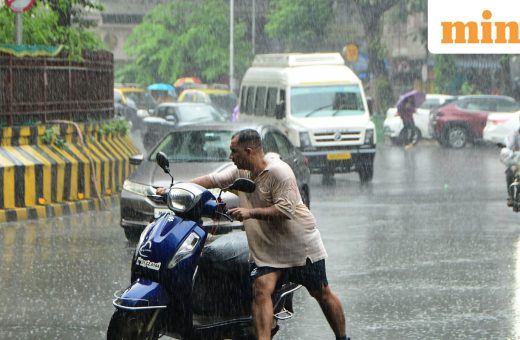
The India Meteorological Department predicts widespread rain across Punjab, Haryana, Chandigarh, Delhi, Rajasthan, and Uttar Pradesh from 20 July, which could aid planting efforts. This follows a period of reduced monsoon activity, which has impacted overall paddy sowing schedules.
Basmati’s water requirements are significant, particularly during the sowing and transplanting phases. While irrigation supports growth, timely rainfall remains crucial for optimal yields. Experts caution that longer-duration varieties’ acreage is still uncertain, with final figures pending closer to the season’s end.
Export Outlook and Market Shifts
Exporters highlight that demand from West Asia kept basmati prices stable last season, encouraging farmers to maintain or expand their holdings. However, ongoing conflicts in the region have disrupted supply chains, prompting calls for market diversification.
“The prolonged war has raised concerns among Indian basmati rice exporters, as freight and insurance costs have surged, driving up prices,” remarked Jajati K. Pattnaik, professor at Jawaharlal Nehru University’s Centre for West Asian Studies.
West Asia accounts for up to 75% of India’s annual basmati exports, with key markets including Saudi Arabia, Iran, Iraq, the UAE, Yemen, Kuwait, Oman, and Qatar. Pattnaik suggests exploring European and African destinations such as Canada, the UK, France, and South Africa to lessen reliance on the region.
Industry leaders also advocate for utilizing southern and eastern coastal ports more efficiently to offset logistical challenges. Queries to the agriculture ministry on these matters remained unanswered at the time of publication.