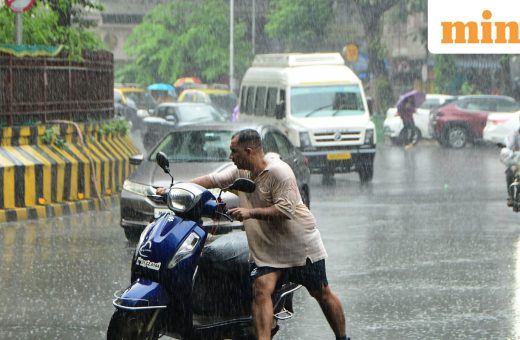
Delhi weather today: Rains expected in the evening; IMD issues alert for heavy downpour on July 21-22
Heavy Rain Alert for July 21-22 Delhi weather today is set to change dramatically as the India Meteorological Department (IMD) has issued a yellow alert for
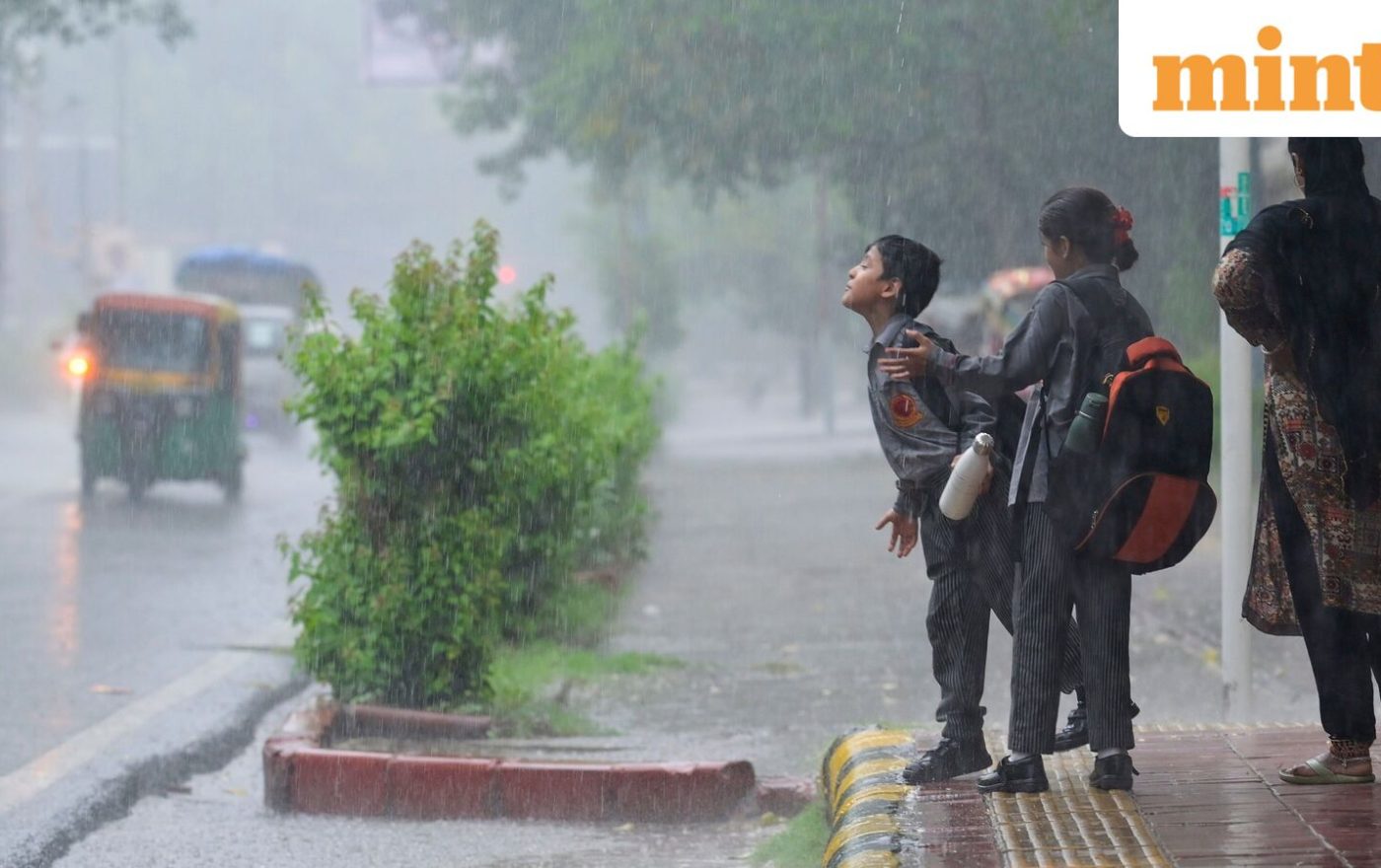
Delhi Weather Today: Heavy Rain Alert for July 21-22
Theindiapostdaily.com – Delhi weather today is set to change dramatically as the India Meteorological Department (IMD) has issued a yellow alert for heavy downpours expected on July 21 and 22. After a prolonged dry spell during the monsoon season, the capital will finally see significant rainfall, marking a much-needed relief from the sweltering heat. The alert highlights the potential for intense weather activity, particularly in the evenings, as the monsoon systems begin to intensify.
The upcoming rain is anticipated to bring light to very light showers throughout the day, with moderate intensity expected in certain areas. Thunderstorms and lightning are likely to accompany the precipitation, especially during the morning and afternoon. Wind speeds could reach up to 40 kmph, creating brief but powerful gusts. A second wave of rainfall is projected to arrive by evening or night, potentially leading to saturated conditions and delayed drying times.
Monsoon Trough’s Role in Delhi’s Weather
Understanding Delhi’s weather requires examining the monsoon trough—a low-pressure zone that stretches from Rajasthan to the Bay of Bengal. Its position directly influences where moisture accumulates, leading to the formation of dense rain clouds. For over a week, the trough had moved northward, contributing to the capital’s unusually hot and dry conditions despite ongoing monsoon activity in other parts of the country.
“Delhi’s recent stretch of dry heat and the impending shift were reportedly a direct result of the trough sitting in the wrong place,” noted an independent meteorologist. This misalignment disrupted the normal flow of moisture into the region, leaving it parched while other areas received substantial rainfall.
Now, the monsoon trough is gradually returning to the northern plains, bringing much-needed rain to Delhi and surrounding regions. This shift signifies the start of a more consistent monsoon resurgence across North India, which could have far-reaching implications for agriculture, water supply, and urban infrastructure.
Why July 21-22 Marks a Key Weather Transition
The heavy rainfall from July 21 to 22 is driven by a low-pressure system currently active over West Bengal. This system is drawing moisture from both the Bay of Bengal and the Arabian Sea, creating converging wind currents that push the monsoon trough southward. As a result, a continuous band of rain-bearing clouds is forming from West Bengal and Bihar through Uttar Pradesh, Punjab, and Chandigarh, affecting Delhi’s weather significantly.
According to the IMD, the capital and nearby areas will experience rainfall that could reach 25-35 mm in some regions, with localized heavy downpours. The alert underscores the need for residents to stay prepared for sudden changes, such as flash floods or waterlogging in lower-lying areas. This weather pattern is part of a broader monsoon development, which could lead to more frequent and heavier rains in the coming days.
Impact on Delhi’s Daily Life and Infrastructure
The return of substantial rainfall is more than just a temporary respite from the heat—it could have lasting effects on the region’s water resources and daily activities. Delhi’s current rainfall deficit has been a cause for concern, with water scarcity affecting both urban and rural areas. The upcoming showers may help replenish groundwater levels and reservoirs, providing critical relief to the city’s water supply challenges.
However, the sudden influx of rain could also lead to challenges. Strong winds and lightning may disrupt transportation, particularly for those traveling during the early morning and afternoon. Residents are advised to carry umbrellas, keep emergency supplies ready, and monitor updates from the IMD. The rainfall may also impact electricity supply, with potential outages due to downed power lines in severe weather conditions.
What to Expect Beyond the Alert Period
While the primary rainfall event is expected on July 21-22, the IMD predicts that the monsoon trough’s influence will continue into the following week. This could mean additional rounds of rain, potentially leading to a prolonged wet phase that might ease the ongoing drought conditions. The department has also warned of the possibility of thunderstorms and gusty winds persisting, which could affect visibility and create hazardous driving conditions.
For farmers in Delhi and neighboring states, the rainfall is a welcome sign. Crops such as wheat, millet, and pulses may benefit from the timely moisture, helping to improve yields and reduce the risk of crop failure. However, the intensity of the rain could also pose risks, particularly for those cultivating water-sensitive crops. The government and local authorities are likely to take measures to ensure that the benefits of the rainfall are maximized while minimizing potential damages.
As Delhi weather today shifts from dry to wet, residents and businesses should prepare for the changes. The IMD’s alert serves as a reminder that weather patterns can be unpredictable, and staying informed is key to managing the impact of heavy downpours. With the monsoon trough’s return, the capital may soon see a more regular and substantial monsoon season, which could have positive implications for both the environment and the local economy.