Who is Khalil al-Hayya? Yahya Sinwar’s successor and Hamas’s new chief
Who is Khalil al Hayya? Yahya Sinwar's Successor and Hamas's New Chief Theindiapostdaily.com – Khalil al-Hayya, a seasoned Hamas leader, has emerged as the new head of the Palestinian group’s…
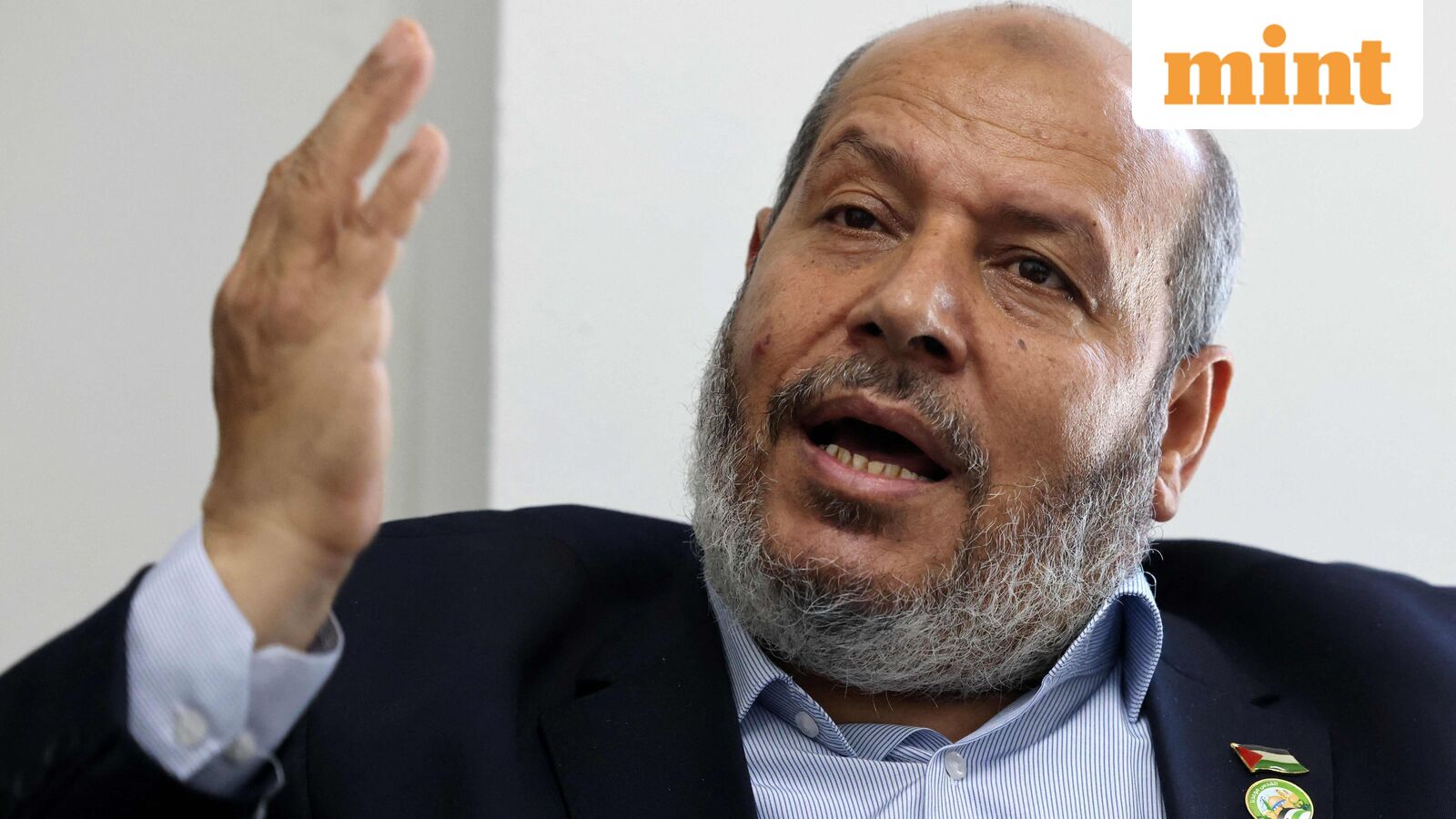
Who is Khalil al Hayya? Yahya Sinwar’s Successor and Hamas’s New Chief
Theindiapostdaily.com – Khalil al-Hayya, a seasoned Hamas leader, has emerged as the new head of the Palestinian group’s political bureau, succeeding Yahya Sinwar, who was killed by Israeli forces in Gaza last year. This transition marks a pivotal moment in Hamas’s leadership structure, as the group navigates the aftermath of significant losses during the ongoing conflict. Al-Hayya, known for his strategic acumen and diplomatic expertise, is now positioned to guide Hamas’s political direction in a time of uncertainty. His appointment underscores the group’s reliance on leaders who can maintain regional alliances and negotiate with Israel, even amid heightened tensions.
Early Life and Political Beginnings
Khalil al-Hayya was born in 1960 in the Gaza Strip, where he grew up immersed in the socio-political environment that would shape his future. He joined Hamas in 1987, shortly after the organization’s founding, and quickly became a key figure within its leadership. Before Hamas’s establishment, al-Hayya was associated with the Muslim Brotherhood, an Islamist movement that influenced the group’s ideological roots. Over the years, he has held various roles, including serving as a representative in Gaza and later relocating to Qatar, where much of Hamas’s external operations are coordinated.
Leadership in Ceasefire Negotiations
Al-Hayya’s reputation as a skilled negotiator has been central to Hamas’s efforts to broker peace. He has been the primary political representative in indirect ceasefire talks with Israel, working alongside mediators from Qatar, Egypt, and the United States. His role became critical during the Gaza war that began after Hamas’s October 7, 2023, attack on Israel, where he helped facilitate discussions aimed at halting violence and securing the release of hostages. His experience in diplomacy has also contributed to his status as one of Hamas’s most internationally recognized leaders, though his approach has sometimes drawn criticism from Western allies.
Surviving Attacks and Building Regional Alliances
Throughout his tenure, al-Hayya has demonstrated resilience against Israeli targeting. He has survived multiple assassination attempts, including an Israeli strike on his family home in Gaza in 2007, which killed several relatives. During the 2023-2024 conflict, he endured another attack in Doha, Qatar, where one of his sons was reportedly killed. Despite these challenges, he has maintained strong ties with Iran, Hamas’s primary regional backer, and has played a crucial role in strengthening the group’s relationships with other Islamist factions. His efforts to restore ties with Syria in 2022, during a visit to Damascus, further highlight his strategic importance in fostering alliances across the Middle East.
Election and the Future of Hamas
The election of Khalil al-Hayya as Hamas’s new political chief took place under tight security conditions, reflecting the group’s vulnerability to Israeli operations. Hamas officials stated that he won by a decisive margin, defeating former leader Khaled Meshaal in the process. His rise to power follows the deaths of several senior figures, including Yahya Sinwar and Ismail Haniyeh, who were both killed in Israeli strikes. Al-Hayya’s leadership now faces the challenge of rebuilding Hamas’s political and military infrastructure while maintaining its commitment to resistance against Israeli occupation. His vision for the group’s future will likely focus on balancing diplomacy with continued militant activity.
Al-Hayya’s appointment also signals a shift in Hamas’s internal dynamics. While he has been a prominent figure in the group’s external negotiations, his leadership will need to address domestic concerns, such as economic hardship and the loss of life during the conflict. Analysts suggest that his close relationship with Iran may influence Hamas’s military strategies and its stance on regional issues. As the group seeks to consolidate power and stabilize its position, al-Hayya’s role will be critical in shaping both its internal governance and its interactions with Israel and other global actors.
“Khalil al-Hayya’s election as Hamas’s new chief is a significant development in the organization’s leadership structure. His experience in diplomacy and resilience in the face of attacks position him to navigate the complex challenges ahead,” said a Hamas official in an exclusive interview. This quote highlights the expectations placed on al-Hayya as he assumes the role of a key decision-maker for Hamas in the coming months.
In addition to his political and diplomatic roles, al-Hayya has been instrumental in shaping Hamas’s global image. His presence in international forums and his ability to communicate Hamas’s goals have helped the group maintain support among certain Arab and Muslim communities. However, his leadership may also face scrutiny from Western nations that view Hamas as a terrorist organization. As the group moves forward, al-Hayya’s ability to balance these competing interests will be a defining test of his capabilities as “Who is Khalil al Hayya” becomes a central figure in the ongoing Palestinian-Israeli conflict.