India’s first electric air taxi takes wings, preps for a 2028 launch
India’s first electric air taxi is finally taking flight, marking a significant milestone in the nation's
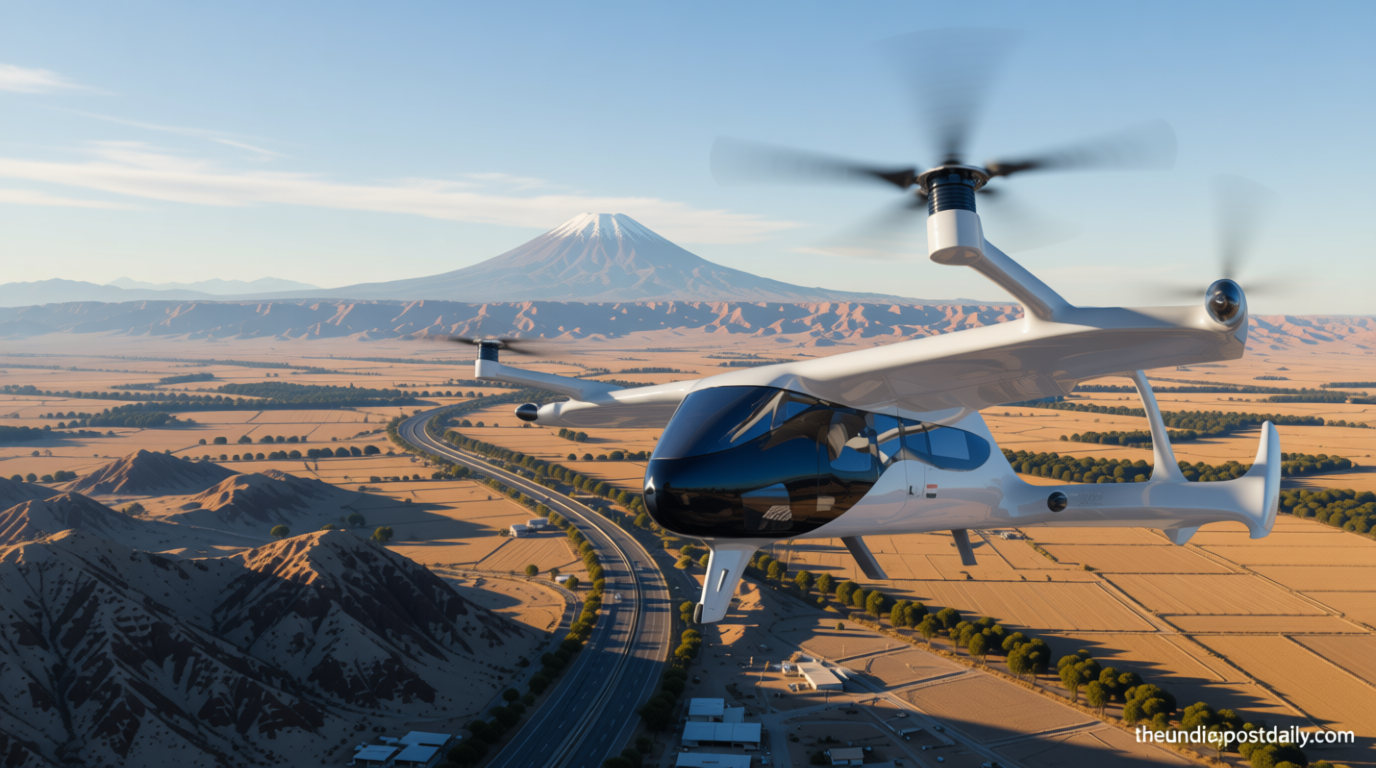
India’s First Electric Air Taxi Prototype Aims for 2028 Launch
Theindiapostdaily.com – India’s first electric air taxi is finally taking flight, marking a significant milestone in the nation’s journey toward sustainable urban mobility. The groundbreaking project, developed by a team at IIT Madras, has been in the works for over seven years and is now poised for a 2028 launch. This innovation, which aims to revolutionize short-distance transportation, is part of a global trend toward integrating electric vertical takeoff and landing (eVTOL) vehicles into city infrastructure. By leveraging cutting-edge battery technology and aerodynamic design, the air taxi promises to offer a faster, greener, and more efficient alternative to traditional ground-based transport solutions.
The prototype, which has already secured $20 million in funding, represents the culmination of years of research and collaboration between academia, industry, and government stakeholders. This investment will be crucial in scaling up production and conducting rigorous testing to ensure safety and regulatory compliance. With urbanization rates in India expected to rise, the demand for innovative mobility solutions is growing rapidly. The electric air taxi is designed to address these challenges by reducing traffic congestion, lowering carbon emissions, and providing an affordable option for last-mile connectivity in densely populated cities. As the project moves closer to its 2028 debut, it has the potential to set a new standard for urban transportation in the country.
The Technology Behind India’s First Electric Air Taxi
At the heart of India’s first electric air taxi is a combination of advanced engineering and eco-friendly design principles. The vehicle operates on electric propulsion, eliminating the need for fossil fuels and significantly cutting down noise pollution and greenhouse gas emissions. Unlike conventional helicopters or small planes, this air taxi utilizes a modular battery system that allows for quick recharging and extended flight times, making it more practical for everyday use. The design also incorporates lightweight materials and aerodynamic features to enhance performance and reduce energy consumption, ensuring that the vehicle is not only efficient but also cost-effective to operate.
One of the key advantages of the electric air taxi is its ability to take off and land vertically, which eliminates the need for traditional runways and allows for greater flexibility in urban environments. This feature, known as vertical takeoff and landing (VTOL), is essential for integrating the vehicle into existing cityscapes where space is limited. The prototype is equipped with a sophisticated flight control system that uses artificial intelligence to optimize routes and manage safety protocols, ensuring a smooth and reliable experience for passengers. Additionally, the vehicle’s design prioritizes passenger comfort, with features such as climate control, seating arrangements, and noise reduction technologies that make it a viable option for both personal and commercial use.
India’s First Electric Air Taxi: A Step Toward Sustainable Urban Mobility
India’s first electric air taxi is not just a technological marvel—it’s a potential game-changer for the country’s transportation landscape. The project’s origins trace back to IIT Madras, where researchers and engineers worked tirelessly to overcome challenges such as battery efficiency, aerodynamics, and regulatory hurdles. The prototype’s development has been supported by a coalition of private investors and public-sector partners, reflecting widespread confidence in its potential to transform how people move within cities. With an estimated range of 50 kilometers and a payload capacity of up to four passengers, the air taxi is tailored for urban applications where speed and efficiency are paramount.
The launch of India’s first electric air taxi is part of a broader push toward sustainable mobility solutions. As cities grapple with rising traffic congestion and pollution, the integration of eVTOL vehicles into public and private transport networks could provide a much-needed relief. This innovation aligns with India’s commitment to reducing its carbon footprint and promoting green energy, particularly in the transportation sector. The 2028 timeline for the air taxi’s debut coincides with the nation’s efforts to expand its electric vehicle (EV) infrastructure, suggesting that the project may benefit from existing government support and policy frameworks. However, challenges such as airspace management, safety regulations, and public acceptance remain critical factors that could influence its success.
India’s first electric air taxi has generated excitement among industry experts and investors alike. The vehicle’s potential to reduce travel time and lower emissions has sparked discussions about its scalability and integration into existing transportation systems. Early-stage testing has already demonstrated promising results, with the prototype showing robust performance in both simulated and real-world conditions. The team at IIT Madras, in collaboration with its commercial partner, has emphasized the importance of public-private partnerships in accelerating the development and deployment of this technology. As the project progresses, it could serve as a blueprint for other countries seeking to adopt similar innovations in their own urban mobility ecosystems.