Sonam Wangchuk’s conditions to end hunger strike omit Dharmendra Pradhan; CJP clarifies stance
Sonam Wangchuk's Conditions to End Hunger Strike Omit Dharmendra Pradhan Theindiapostdaily.com – Activist Sonam Wangchuk has outlined specific conditions for concluding his hunger strike, which include the government's commitment to…
Sonam Wangchuk’s Conditions to End Hunger Strike Omit Dharmendra Pradhan
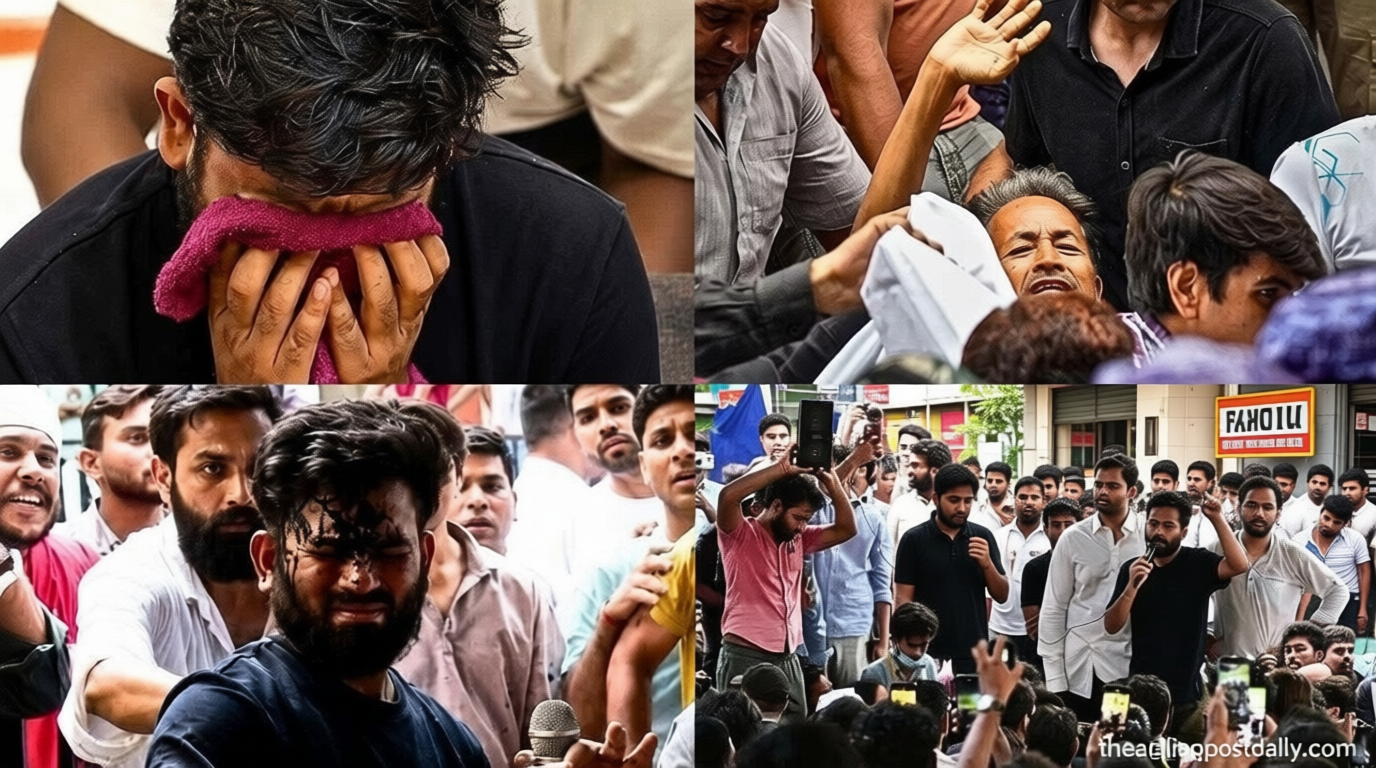
Theindiapostdaily.com – Activist Sonam Wangchuk has outlined specific conditions for concluding his hunger strike, which include the government’s commitment to accountability for recent failures in the education system and addressing the paper leak controversies. The focus keyword “Sonam Wangchuk’s conditions to end” is central to the ongoing discussions, as the demands are seen as a pivotal step toward resolving the crisis. However, the omission of Dharmendra Pradhan from these conditions has raised questions about the political priorities of the movement. Wangchuk’s three main criteria for ending his fast emphasize transparency, parliamentary engagement, and support from political leaders, setting the stage for a renewed push for reform.
CJP Clarifies Core Demands Amid Hunger Strike Omissions
The Central Janta Party (CJP) has reiterated that its core demands remain unchanged, despite the exclusion of Dharmendra Pradhan from the immediate conditions for ending the hunger strike. In a recent X post, the party highlighted its call for accountability over the suicides of over 20 students and requested relief for affected families. “Sonam Wangchuk’s conditions to end” reflect a broader strategy to highlight systemic issues in education, even as the focus shifts to parliamentary action. The CJP also emphasized the importance of maintaining momentum in their protests, ensuring that the movement does not lose its impact despite these adjustments.
Hunger Strike as a Catalyst for Educational Reform
Sonam Wangchuk’s hunger strike has become a powerful symbol of demands for educational reform, with the conditions to end it serving as a roadmap for the government’s response. The activist’s insistence on accountability for the paper leaks underscores concerns about transparency in exams and the reliability of the education system. As the hunger strike continues, the public is increasingly aware of the challenges facing students and educators, making the “Sonam Wangchuk’s conditions to end” a focal point in discussions about policy changes. The movement has also sparked debates on whether political leaders should take more direct action to address these issues.
Government’s Response to Hunger Strike Conditions
The government’s reaction to Sonam Wangchuk’s conditions to end the hunger strike has been a topic of scrutiny. While officials have acknowledged the need for accountability, they have yet to commit to all of Wangchuk’s demands, leaving some stakeholders uncertain about the timeline for reforms. The focus keyword “Sonam Wangchuk’s conditions to end” has been central to these negotiations, with political leaders being urged to engage more actively. This has led to calls for a more transparent process, ensuring that the conditions outlined are not only met but also clearly communicated to the public.
Public Support and the Role of Media
Public support for Sonam Wangchuk’s hunger strike has grown significantly, with media coverage playing a crucial role in amplifying the movement’s message. The conditions to end the strike have been widely discussed, as they represent a clear demand for change in the education sector. Social media platforms have been instrumental in keeping the conversation alive, with users sharing updates and expressing solidarity. The focus keyword “Sonam Wangchuk’s conditions to end” has been frequently used in these discussions, highlighting its importance in shaping the narrative around the protests. As the Monsoon Session approaches, the media’s role in keeping the issue in the spotlight cannot be overstated.
Future Implications of the Hunger Strike Conditions
The conditions to end Sonam Wangchuk’s hunger strike are not just immediate demands but also a blueprint for future reforms. By setting these criteria, the activist has provided a framework for the government to address the root causes of the crisis. The omission of Dharmendra Pradhan from the conditions has sparked debate, with some arguing that his resignation is critical to the movement’s success. However, the CJP has defended its stance, stating that the focus remains on systemic changes rather than individual accountability. As the hunger strike progresses, the “Sonam Wangchuk’s conditions to end” will likely influence the direction of the protest and its long-term impact on education policy.