Ken Betwa project: 15-day protest ends after MP police clear demonstration site; here’s why tribals were protesting
Ken Betwa Project: 15-Day Tribal Protest Ends as MP Police Clear Demonstration Site Theindiapostdaily.com – After a 15-day standoff, the Ken Betwa project protest in Madhya Pradesh concluded on Sunday…
Ken Betwa Project: 15-Day Tribal Protest Ends as MP Police Clear Demonstration Site
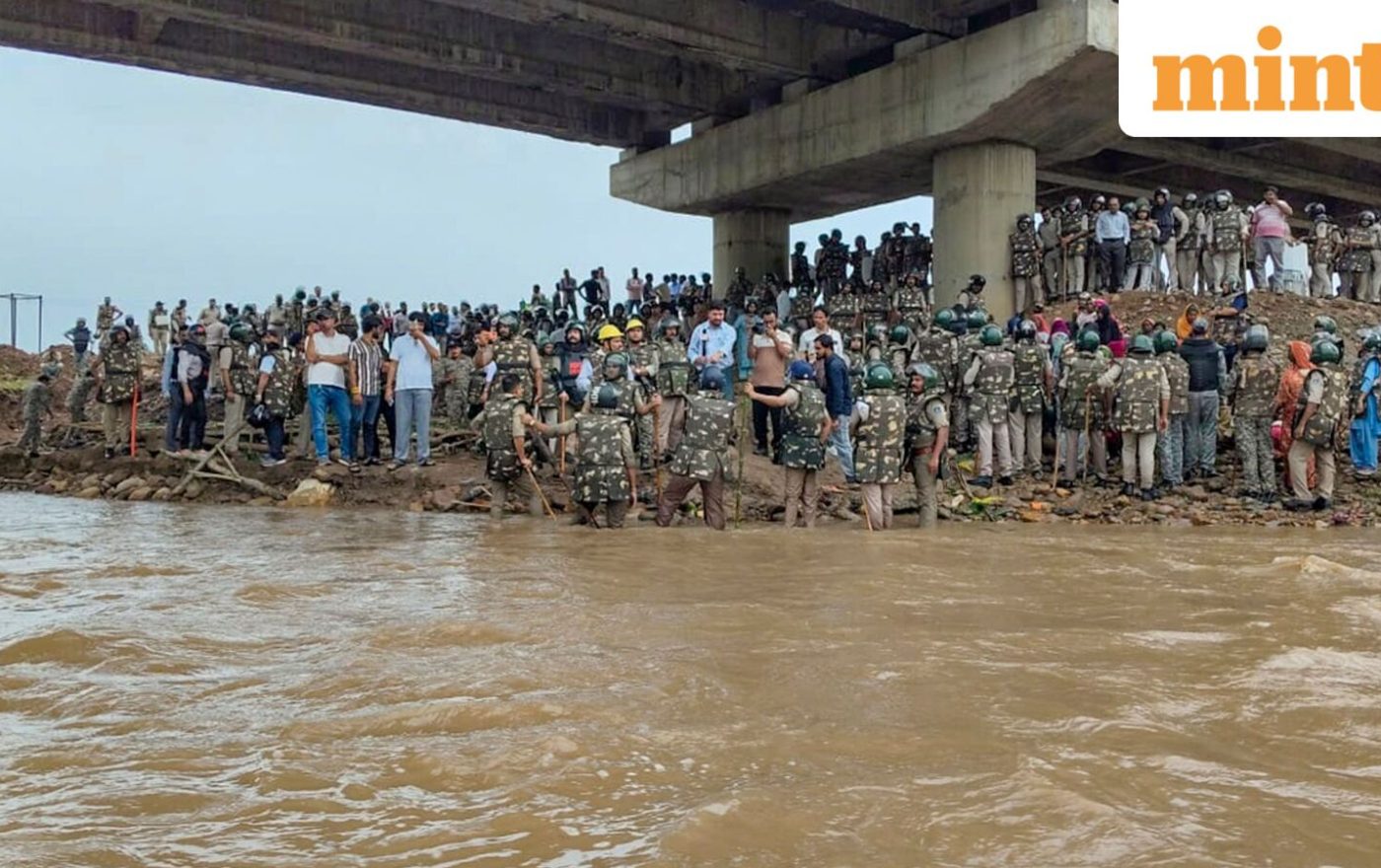
Theindiapostdaily.com – After a 15-day standoff, the Ken Betwa project protest in Madhya Pradesh concluded on Sunday as police evacuated demonstrators from the site and returned them to their villages. The movement, led by tribal communities, highlighted concerns over the project’s impact on their livelihoods and environment. While some villagers claimed protest leader Amit Bhatnagar was detained, police denied any arrests, emphasizing the operation was conducted to ensure safety amid rising water levels near the under-construction bridge.
Key Events of the Protest Resolution
The final day of the protest saw a significant police presence at the gathering site around 5 a.m., with officials citing safety risks as the primary reason for clearing the area. Divya Ahirwar, a protest leader, alleged that police detained several participants and the movement’s leader before they could address media about a ₹400 crore corruption scandal linked to the Ken-Betwa Link Project. However, the police countered that the protests had become chaotic near the river and under-construction bridge, endangering protesters and passersby.
“The protesters were staging their demonstrations beneath an under-construction bridge and in the river, where rising water levels posed a grave safety risk,” stated an official from the Madhya Pradesh Police.
Bhatnagar, who had been on a hunger strike for 11 days, was reportedly hospitalized as his condition worsened. Police transported protesters back to their homes via buses, with those from Panna district directly returned and others from Chhatarpur and nearby areas dropped off at their respective villages. The operation underscored the tension between the project’s development goals and the tribals’ demands for accountability.
Protest Demands and Project Background
The protest, which began on July 3, was centered around the Barana River near Kupi village in Chhatarpur district. Tribal women spearheaded the movement, calling for the Ken-Betwa project to be implemented with legal and environmental compliance. They organized a jal satyagraha (water protest), chita satyagraha (funeral pyre protest), and a symbolic faansi satyagraha (death protest) to draw attention to their grievances.
“We are fighting to ensure the Ken Betwa project follows the law and safeguards our rights,” said Divya Ahirwar, a key figure in the protest.
The Ken Betwa Link Project, India’s first river interlinking initiative under the National Perspective Plan, aims to transfer surplus water from the Ken River to the Betwa River. This is intended to alleviate water shortages in drought-prone regions of Bundelkhand, spanning parts of Madhya Pradesh and Uttar Pradesh. However, the project has sparked debates over its environmental and social costs, particularly for the tribal communities in the area.
The protest highlighted issues such as forced displacement, inadequate rehabilitation packages, and threats to forests and wildlife, including the Panna Tiger Reserve. Activists argued that the project’s construction had disrupted local ecosystems and displaced families without sufficient compensation or consultation. These concerns have drawn criticism from environmental groups and legal experts, questioning the project’s adherence to guidelines.
Government Response and Project Significance
Government officials defended the Ken Betwa project, stating it aligns with national development objectives and will enhance irrigation and water supply for millions. A spokesperson emphasized that the project’s legal framework has been followed, and the displacement process is part of a larger plan to improve infrastructure and agricultural productivity in Bundelkhand.
“The Ken Betwa project is in accordance with the law and will significantly improve irrigation and water supply in the Bundelkhand region,” said a government representative.
Despite the protest, authorities maintained that the project is critical to addressing water scarcity and boosting regional economies. The controversy, however, underscores the growing importance of balancing large-scale infrastructure with the rights of indigenous populations. As the Ken Betwa project moves forward, its success will depend on resolving these concerns and ensuring transparency in its implementation.
The resolution of the 15-day protest marks a pivotal moment for the Ken Betwa project, with tribal communities now hopeful for a more inclusive approach. While the immediate standoff has ended, the dialogue between protesters and authorities continues, emphasizing the need for sustainable development that respects both ecological and human rights.