‘No amount of force can deter…’: Rahul Gandhi’s first statement on removal of Sonam Wangchuk from Jantar Mantar
Rahul Gandhi: No Force Can Deter Protesters' Struggle Against Education Policies Opposition Leader Condemns Police Action No amount of force can deter - When
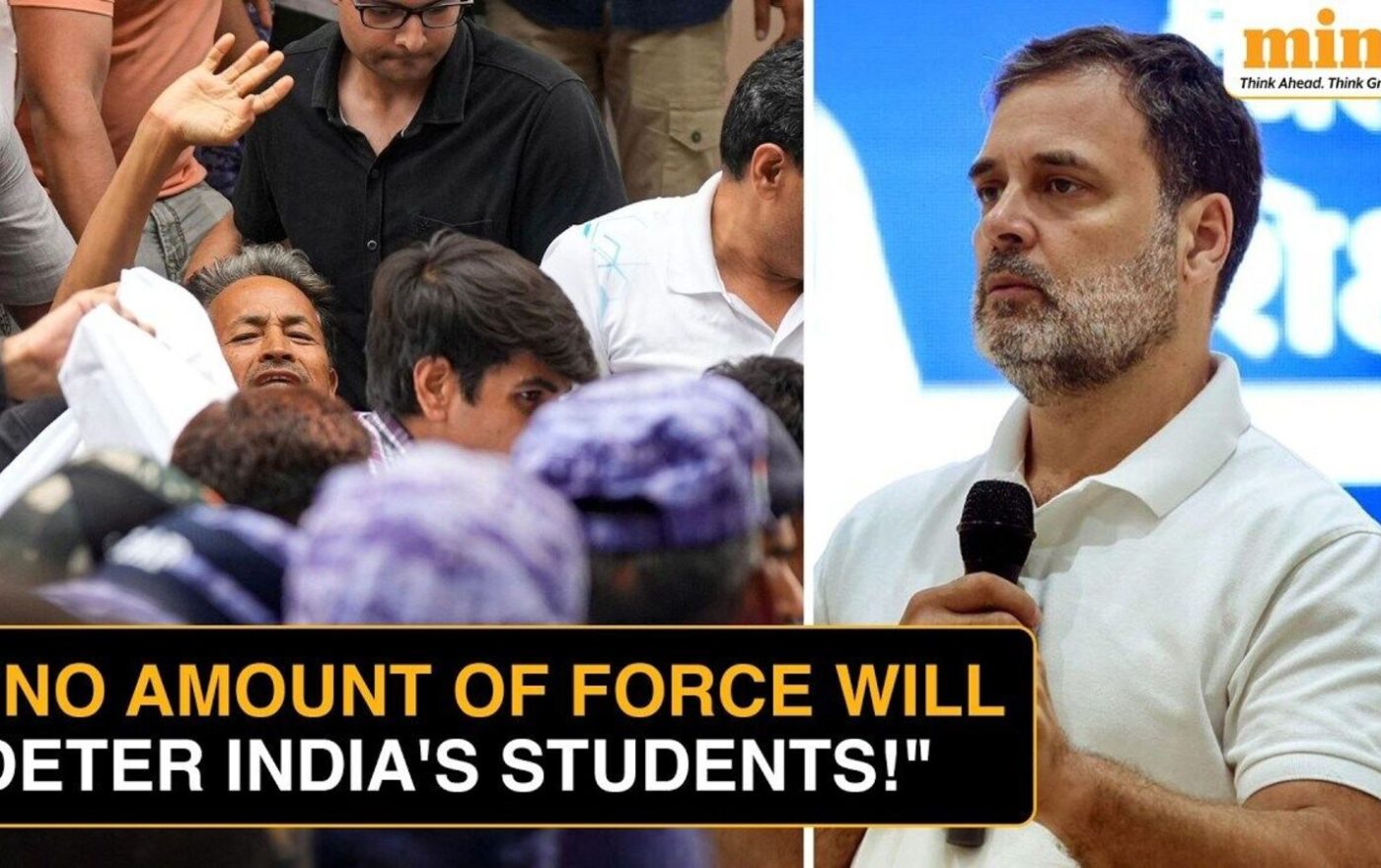
Rahul Gandhi: No Force Can Deter Protesters’ Struggle Against Education Policies
Opposition Leader Condemns Police Action
Theindiapostdaily.com – When the police moved to remove activist Sonam Wangchuk from the Jantar Mantar protest site and transport him to Safdarjung Hospital on Saturday, Rahul Gandhi, the Lok Sabha’s Opposition leader, swiftly responded with a strong critique. He emphasized that ‘no amount of force can deter’ the resolve of protesters, calling the incident a clear violation of non-violent protest principles. Wangchuk, who had been fasting for 20 days to demand the resignation of Union Education Minister Dharmendra Pradhan, was taken from the site under medical supervision. The action, Gandhi argued, undermined the government’s commitment to peaceful dissent and highlighted the growing tension between authorities and student activists.
“The Modi government’s core values are Asatya (falsehood) and Hinsa (violence). Removing Sonam Wangchuk from Jantar Mantar during his hunger strike is not just an act of force—it’s a statement of intent to silence dissent. Paper leaks, soaring education costs, and the tragic rise in student suicides are urgent issues that demand immediate attention. No amount of force can deter India’s youth from voicing their concerns, and those who support their cause will not be easily intimidated,” Gandhi wrote in a statement.
Congress Demands Minister’s Resignation
Following the police action, the Congress party intensified its call for Dharmendra Pradhan to resign. The party’s General Secretary (Organisation), KC Venugopal, accused the Central government of acting in a ‘fascist manner’ by breaking a peaceful protest. The move, he argued, reflected a lack of empathy for the students’ plight and a failure to address the root causes of their frustration. The Congress is now preparing to raise the issue during the Monsoon Session of Parliament, scheduled to begin on July 20, where they hope to galvanize public support and pressure the administration into action.
“The government’s decision to remove Sonam Wangchuk from the protest site, rather than addressing the concerns of the students, shows a disregard for democratic values. Instead of resolving the crisis, they chose to escalate it. This act will not go unnoticed, and the people will hold the administration accountable. The Congress and the Opposition will continue our efforts, and we demand that the Education Minister be replaced before the session starts,” Venugopal stated on X.
Health Concerns and Medical Supervision
Sonam Wangchuk’s removal from Jantar Mantar raised immediate concerns about his health. Doctors at Safdarjung Hospital confirmed he was suffering from dehydration, low potassium levels, and elevated ketones, which can be dangerous if prolonged. These symptoms are common in individuals who fast for extended periods, and the medical team recommended intravenous fluids and close monitoring. Despite the warnings, Wangchuk insisted on continuing his fast, a stance that has drawn both admiration and worry from supporters and critics alike.
Wangchuk was admitted to the hospital at 7:40 am, showing signs of fatigue but remaining conscious. His vital signs, including pulse, blood pressure, and oxygen levels, were stable, but the hospital’s conditions were deemed necessary to prevent further complications. While the activist refused immediate medical intervention, the hospital team assured that he would receive ongoing care. This incident has sparked a debate on the balance between maintaining order and protecting the health of protesters, especially those engaged in prolonged civil actions.
Political Reactions and Protest Continuation
The police’s decision to relocate Wangchuk has elicited strong reactions from various political parties and student groups. Opposition leaders, including those from the Aam Aadmi Party, Samajwadi Party, and Trinamool Congress, joined Gandhi in criticizing the move as a disproportionate response. Meanwhile, the Jantar Mantar protests, led by the Cockroach Janata Party (CJP) in coordination with Left-aligned student organizations like AISA and SFI, have vowed to continue their demands. The CJP’s founder, Abhijeet Dipke, asserted that the protest would not be quelled by Wangchuk’s temporary removal, emphasizing the need for sustained pressure on the government.
Despite the setback, the protesters are planning a new demonstration on July 20, targeting the Monsoon Session of Parliament. However, sources suggest that the CJP has yet to secure approval from Delhi Police for the event, raising questions about the administration’s preparedness to handle the growing unrest. The movement’s persistence underscores the deepening divide over education policies and the role of student activism in shaping national discourse.
Public Sentiment and Media Response
The removal of Sonam Wangchuk has ignited a wave of public outrage, with many citizens condemning the police action as a violation of democratic rights. Social media platforms have become a hub for discussions, with hashtags like #NoAmountOfForceCanDeter and #WangchukProtest trending as users rallied behind the activist. Media outlets have also highlighted the incident, framing it as a symbol of the broader struggle between civil society and governmental authority. Analysts argue that the event has drawn attention to the plight of students and their demands for transparency and accountability in the education system.
Public figures and civil society leaders have weighed in, with some calling the action a “political move to suppress dissent.” The incident has also sparked a renewed focus on the role of hunger strikes in India’s protest culture, particularly as a tool for raising awareness about systemic issues. As the situation evolves, the question remains: will the government’s use of force deter the movement, or will it only strengthen the resolve of those demanding change? The answer may shape the trajectory of the protests and the political landscape in the coming weeks.