US-Iran war news LIVE: US renews attack against Iran after two American personnel killed in Jordan
The United States has intensified its military operations against Iran following an attack in Jordan that killed two
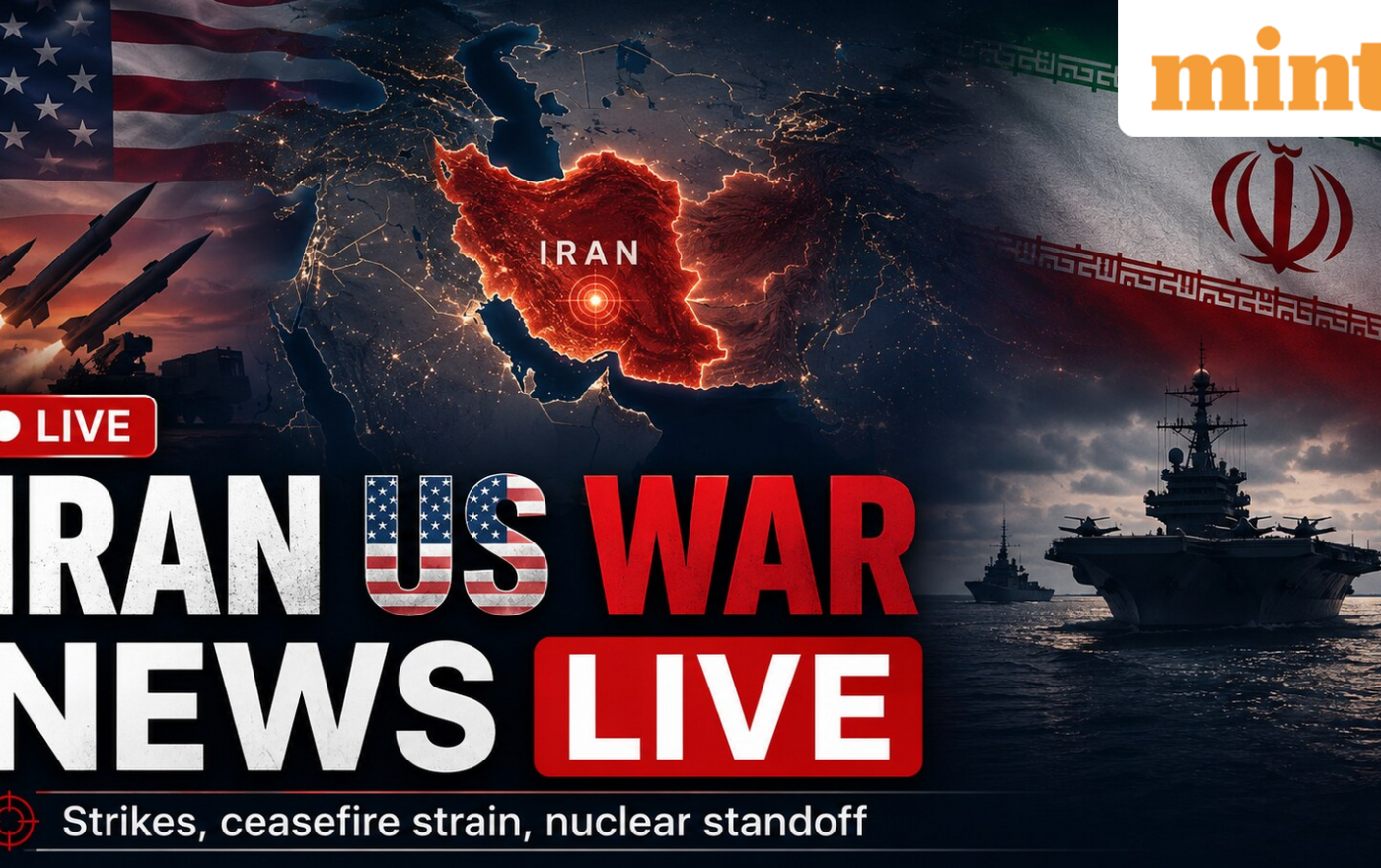
US-Iran War News LIVE: Escalation Follows Jordan Attack
Theindiapostdaily.com – US Iran war news LIVE — The United States has intensified its military operations against Iran following an attack in Jordan that killed two American personnel and left a third missing. The Central Command confirmed the renewed strikes, targeting Iranian positions in Tehran, as part of a broader effort to respond to perceived threats from Tehran. The operation, launched under President Donald Trump’s directive, underscores the ongoing tensions between the two nations, with Washington vowing to escalate pressure on Iran amid the crisis.
Iranian Retaliation and Strategic Statements
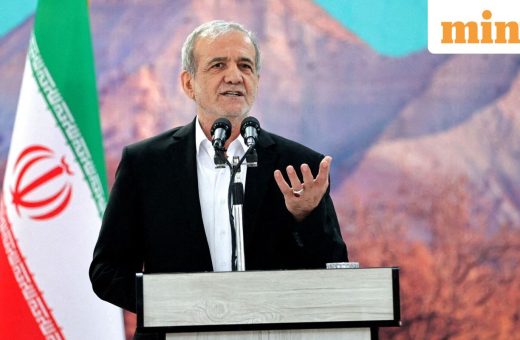
Supreme Leader Ayatollah Ali Khamenei issued a sharp warning, vowing retaliation for the US military strikes in Jordan. He emphasized that Iran would not remain passive in the face of “provocative actions,” positioning the conflict as a direct confrontation between Washington and Tehran. The leader’s comments, made during a televised address, reflected the growing resolve of Iran to defend its interests, even as the US continued its aerial campaign.
“Iran will not tolerate Washington’s aggression. The US must be held accountable for its actions in Jordan,” declared Khamenei, highlighting the strategic importance of the region in the broader US-Iran war news LIVE narrative.
The attack on Jordan, which occurred earlier this week, targeted a US military convoy, resulting in casualties and igniting fears of a wider regional conflict. Analysts suggest that the strike was a calculated move by Iran to demonstrate its capability to strike beyond its borders, potentially drawing in allies like Syria and Hezbollah.
Naval Measures and Regional Alliances
As part of its strategy to cripple Iran’s military and economic capabilities, the US has reactivated a naval blockade targeting Iranian ports. This measure, reported by the Central Command, involves the deployment of multiple vessels to monitor and intercept Iranian shipping in the Arabian Sea. The USS Donald Cook (DDG 75) is among the key assets enforcing the blockade, which has been a recurring tactic since the 2019 escalation of hostilities.
Earlier this week, US forces disabled an empty oil tanker attempting to bypass the restrictions in the Arabian Gulf. The incident marked a continuation of the blockade, which had been previously enforced on July 15 as part of a show of force. The move is seen as a way to pressure Iran economically while also preventing the flow of military supplies to regional adversaries. Meanwhile, Gulf allies such as Saudi Arabia, the UAE, and Bahrain have expressed support for the US actions, reinforcing their alignment with Washington in the ongoing conflict.
International Reactions and Diplomatic Implications
The attack in Jordan and subsequent US strikes have drawn mixed reactions from the international community. While some Gulf nations praised the US for its decisive response, others cautioned against further escalation. The United Nations has called for restraint, with diplomats urging both sides to avoid actions that could lead to a full-scale war. Analysts note that the US-Iran war news LIVE developments have shifted global attention to the Middle East, with implications for regional stability and international trade routes.
“The situation is critical, but we must ensure that military actions do not spiral into a larger conflict,” said a UN official, highlighting the need for diplomatic engagement amid the tensions.
In addition to the military measures, the US has intensified its diplomatic outreach, with officials in Washington seeking to isolate Iran further through economic sanctions and targeted messaging. The 14-point agreement, signed last month, remains a focal point of these efforts, as Iran denies its commitment to the terms after the US renewed its attacks.
Historical Context and Ongoing Conflict
The current escalation is part of a long-standing rivalry between the US and Iran, dating back to the 1979 Islamic Revolution. Over the years, the two nations have engaged in multiple confrontations, including missile strikes, cyberattacks, and naval skirmishes. The latest attacks in Jordan and Tehran are seen as a direct continuation of this pattern, with the US leveraging its military presence in the region to assert dominance.
“This is a clear demonstration of US resolve. The war with Iran is far from over,” stated a senior defense official, reinforcing the narrative of a prolonged and intensified conflict.
As the situation evolves, the US-Iran war news LIVE remains a critical topic for global audiences, with updates on military actions, diplomatic maneuvers, and regional alliances shaping the ongoing narrative. The battle for control in the Middle East continues to unfold, with both sides prepared to escalate their efforts in the face of mounting pressure.
Future Outlook and Potential Escalation
With the US resuming attacks and Iran vowing retaliation, the path to a full-scale war appears increasingly plausible. Experts warn that the conflict could spread to neighboring countries, including Syria and Iraq, where Iran has significant military influence. The latest strike in Jordan, which killed two US personnel, has also raised concerns about the safety of American assets in the region, prompting calls for enhanced security measures.
As the US-Iran war news LIVE continues to dominate headlines, the international community watches closely for signs of de-escalation or further aggression. The balance of power in the Middle East hangs in the air, with each side preparing for the next move. The stakes have never been higher, and the outcome of this conflict will have far-reaching consequences for global geopolitics.