Manish Sisodia, Dimple Yadav, other opposition leaders condemn Sonam Wangchuk’s removal: Here’s who said what
Manish Sisodia, Dimple Yadav, and Other Opposition Leaders Condemn Delhi Police's Removal of Sonam Wangchuk Manish Sisodia Dimple Yadav other opposition - The
Manish Sisodia, Dimple Yadav, and Other Opposition Leaders Condemn Delhi Police’s Removal of Sonam Wangchuk
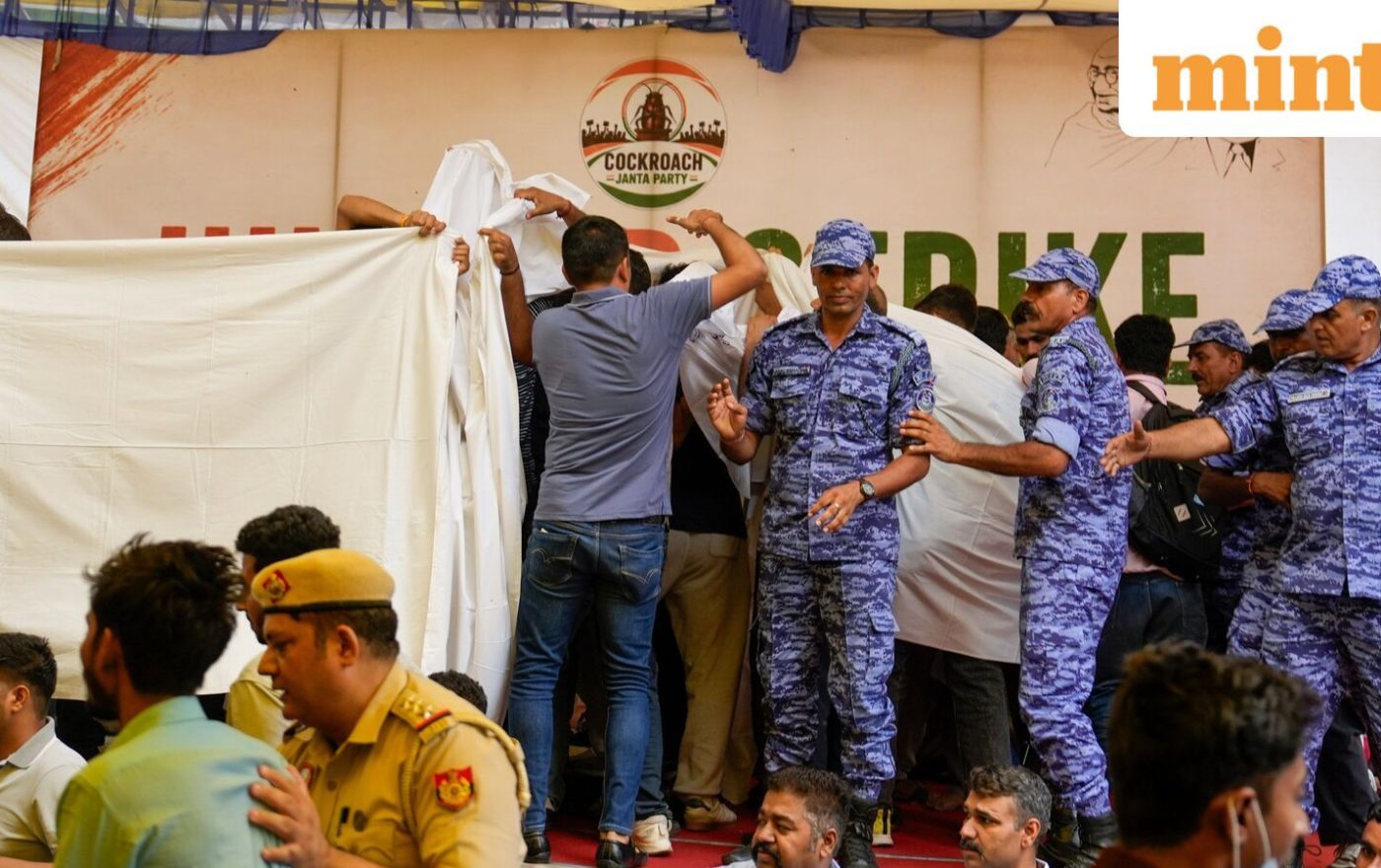
Theindiapostdaily.com – The removal of activist Sonam Wangchuk from the CJP (Cockroach Janata Party) protest at Jantar Mantar on Saturday drew sharp criticism from prominent opposition figures, including Delhi Chief Minister Manish Sisodia, Samajwadi Party MP Dimple Yadav, and other leaders. The incident, which occurred during a high-profile demonstration, was widely seen as an attempt to suppress dissent and stoke tensions between the government and civil society. Critics argued that the Delhi Police’s actions undermined the right to peaceful protest and highlighted growing concerns about authoritarian measures in public spaces.
Opposition Voices: A Call for Transparency and Democratic Integrity
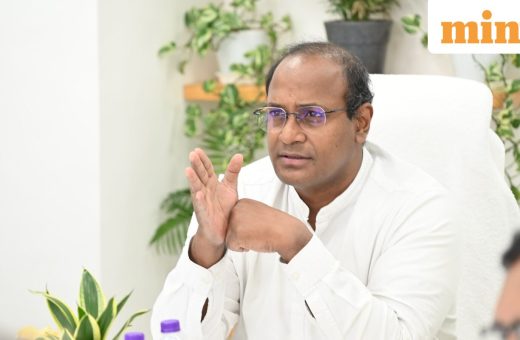
Manish Sisodia, representing the Aam Aadmi Party (AAP), swiftly condemned the police’s decision to remove Wangchuk from the protest site. He emphasized the need for transparency, stating that the government’s actions were a clear signal of its intolerance for dissent. “This is not just about a single individual; it’s about silencing voices that challenge the status quo,” Sisodia remarked in a statement, which was shared on social media to amplify its reach.
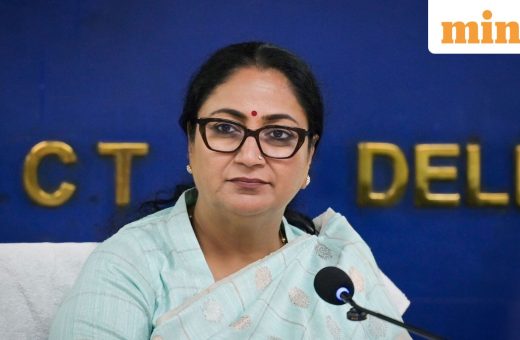
Dimple Yadav, a senior leader of the Samajwadi Party, echoed Sisodia’s concerns, framing the incident as an attack on democratic values. “The removal of Sonam Wangchuk is an assault on democracy and the Constitution. When peaceful protests are met with force, it’s a warning to all citizens,” Yadav said, highlighting the broader implications of the police’s intervention. Her comments were part of a coordinated effort by opposition groups to rally public support against what they perceived as a politically motivated move.
Other opposition leaders, including those from the Trinamool Congress (TMC) and Congress, joined the chorus of criticism. Sagarika Ghose, a TMC representative, accused the Modi government of using state machinery to crush dissent. “This is a morally bankrupt regime that resorts to violence to maintain control,” she stated, adding that the incident exposed a pattern of authoritarian tactics by the Delhi Police.
“The government should engage in dialogue instead of resorting to brute force. When you remove a protestor from the scene, you’re not just addressing a minor issue—you’re making a statement about your commitment to freedom of expression,” remarked a Congress spokesperson in a detailed analysis of the event.
Context and Controversy: The CJP Protest and Its Aftermath
The CJP protest, which had gained momentum over recent weeks, was centered around demands for educational reforms and government accountability. Wangchuk, a key figure in the movement, had been fasting for 21 days to draw attention to systemic issues in the Delhi University education system. Her arrest and removal from the protest site were seen as a calculated move to disrupt the campaign’s visibility.
“The Delhi Police claimed to act on medical advice, but the timing and circumstances of her removal raise questions. If her health was a priority, why was she taken from the protest site at that moment?” questioned a local journalist, who noted that the event had become a flashpoint for public anger.
Delhi Police authorities defended their actions, stating that Wangchuk was transported to Safdarjung Hospital “as per orders of the Hon’ble High Court” and “on expert medical advice.” They also cited the protestors’ obstruction of traffic as justification for the intervention. However, critics argued that the decision to remove her from the protest during a live demonstration was designed to manipulate public perception and weaken the movement’s impact.
Several opposition leaders called for an independent inquiry into the incident, urging transparency about the police’s motives and the conditions under which Wangchuk was removed. “The public deserves to know the full story. We can’t let the government rewrite history with staged actions,” said one AAP activist, emphasizing the need for accountability.
Wangchuk’s Wife and the Public Reaction
Following the incident, Sonam Wangchuk’s wife, Gitanjali J Angmo, took to social media to voice her concerns. She stated that the narrative around her husband’s removal needed to be verified before any conclusions were drawn. “Nothing should be added to the story without complete information,” Angmo asserted, calling for an investigation into the police’s conduct during the operation.
“The Delhi Police used white sheets to hide the footage of the arrest. This is a clear attempt to obscure the truth and control the media narrative,” Angmo added, sharing video clips that allegedly showed the protestor being forcibly taken away. Her posts sparked a wave of online support, with many users criticizing the police for their alleged overreach.
The incident has also galvanized the youth, who see it as a symbol of the government’s tactics to control public discourse. “The Modi regime’s arrogance won’t last forever. We will rise and take back our rights,” said a student leader during a rally organized in solidarity with Wangchuk. The response highlights the growing divide between the administration and the protesting community, with the focus keyword “Manish Sisodia Dimple Yadav other” resonating strongly in the discourse.
As the situation unfolds, the opposition continues to press for answers. With the focus keyword “Manish Sisodia Dimple Yadav other” central to the debate, the incident has become a litmus test for the government’s commitment to democratic principles. The incident underscores the importance of peaceful protest and the need for authorities to balance law enforcement with the protection of civil liberties.
“We cannot allow the government to use the police as a tool to silence opposition. The people’s right to protest is sacrosanct,” said a senior Congress leader, reinforcing the broader message that the removal of Wangchuk was a political statement rather than a mere administrative action.
With public outrage mounting and the focus keyword “Manish Sisodia Dimple Yadav other” featured prominently in the opposition’s response, the incident has intensified scrutiny on the Delhi Police’s role in maintaining public order. The ongoing dialogue between leaders and citizens will likely shape the future of protests and governance in the region.