US launches seventh straight night of strikes on Iran, bridges and power infrastructure targeted
US Launches Seventh Straight Night of Strikes on Iran Theindiapostdaily.com – On the seventh consecutive night of military operations, the United States intensified its strikes on Iran, targeting vital infrastructure…
US Launches Seventh Straight Night of Strikes on Iran
Theindiapostdaily.com – On the seventh consecutive night of military operations, the United States intensified its strikes on Iran, targeting vital infrastructure such as bridges, power grids, and strategic ports. This escalation marks a significant phase in the ongoing conflict, as Washington aims to disrupt Iran’s military and economic capabilities. The focus keyword, “US launches seventh straight night,” underscores the continuous nature of these attacks, which have been a hallmark of the recent campaign against Iran. The strikes are part of a broader strategy to enforce the naval blockade and weaken Tehran’s influence in the region.
Strategic Targets and Military Objectives
The US Central Command (CENTCOM) confirmed that the strikes began at 3 p.m. ET on Friday, July 17, and were coordinated under President Donald Trump’s leadership. These targeted actions focus on key infrastructure to cripple Iran’s logistical and military networks. Bridges in Hormozgan province, a critical link for transportation between Bandar Abbas and Tehran, were hit to sever supply lines. Power infrastructure, including substations and transmission lines, was also damaged to disrupt energy production and distribution. The goal, as stated by US officials, is to degrade Iran’s ability to project power and sustain its operations in the Gulf.
The naval blockade, which has been strictly enforced, aims to limit Iran’s access to global shipping lanes. By targeting ports and surveillance towers, the US seeks to monitor and restrict Iran’s maritime activities. This approach has intensified tensions, with Iran’s Revolutionary Guard Corps (IRGC) reportedly using the strikes as a justification for retaliatory measures. The conflict has drawn international attention, with analysts highlighting the potential for a wider regional war.
Regional Impact and Geopolitical Context
The attacks have had a ripple effect across the Persian Gulf, raising concerns about the stability of trade routes and the security of allied nations. In response, Iran launched missile strikes at US allies, including Qatar, Kuwait, and Bahrain, demonstrating its readiness to escalate hostilities. These strikes underscore the deepening conflict between the US and Iran, with both sides accusing each other of aggression. The US maintains that its actions are a direct response to Iran’s support for militant groups in the region.
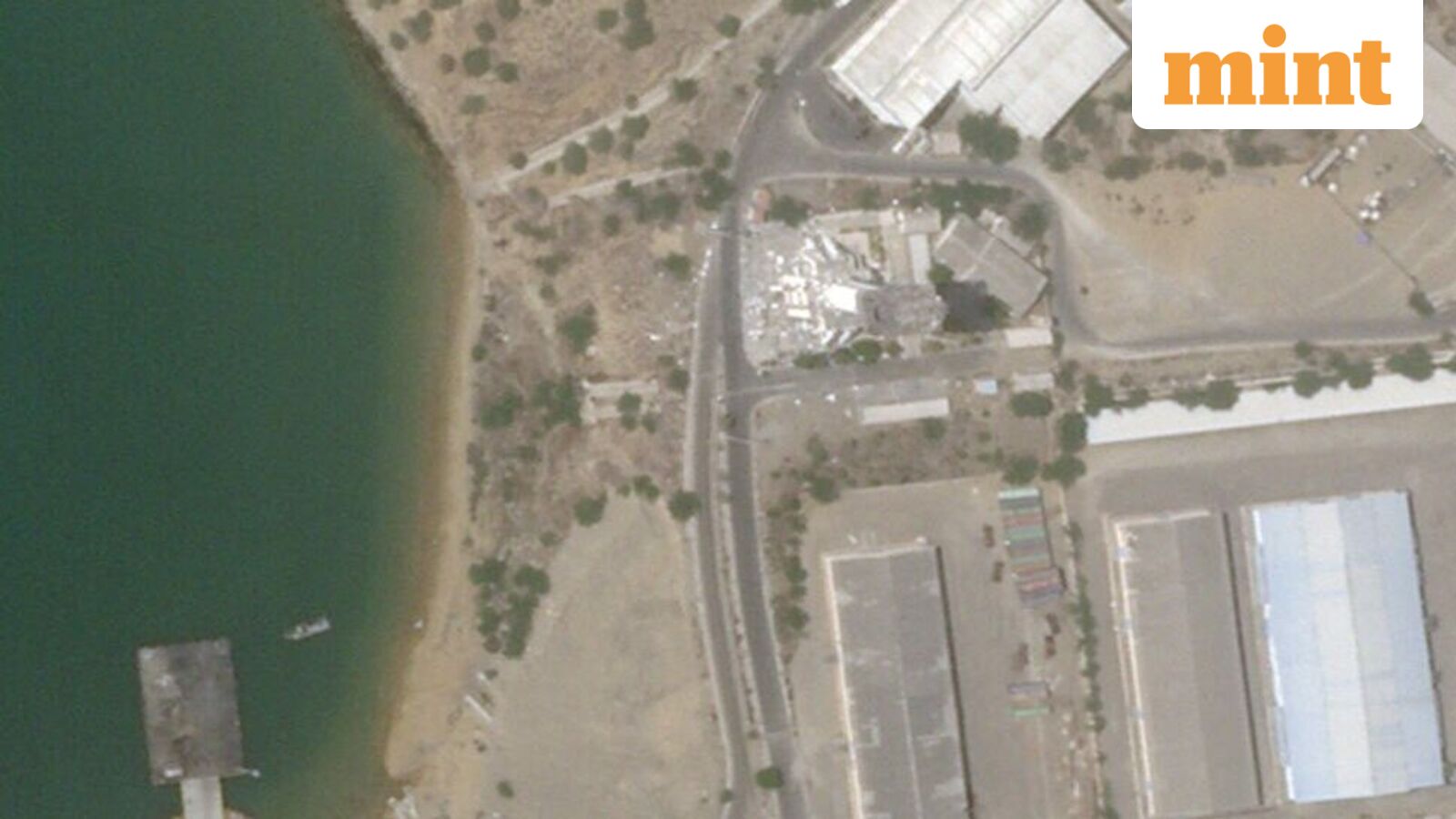
Strategic ports like Chabahar, which is a major trade hub for Afghanistan, have been under particular scrutiny. The destruction of a surveillance tower there is believed to have disrupted Iran’s monitoring of commercial vessels passing through the Strait of Hormuz. This key waterway, through which a significant portion of the world’s oil supply travels, has become a focal point of the conflict. The disruption of shipping in the strait has already led to a surge in oil prices, highlighting the economic stakes involved.
Iranian authorities reported casualties as a result of the strikes, with at least 46 fatalities and over 400 injuries. These figures include both military personnel and civilians, emphasizing the impact on everyday life. The US, meanwhile, acknowledged the casualties of its own forces, with 13 service members wounded since Monday and a total of 14 confirmed killed in the campaign. The scale of these losses underscores the intensity of the conflict and its potential to spill over into a larger war.
Global Reactions and Diplomatic Tensions
International reactions to the US strikes have been mixed. While some allies support Washington’s efforts to counter Iran’s influence, others express concern about the risk of escalation. The European Union, for instance, has called for a de-escalation to prevent the conflict from affecting global energy markets. Meanwhile, Russia and China have urged both sides to exercise restraint, emphasizing the importance of diplomacy in resolving the crisis.
Domestically, the US faces pressure to justify its continued military engagement. Critics argue that the strikes could lead to unintended consequences, such as increased hostilities with other regional powers or economic strain on the US. Trump’s public statements, including his claim that “we are likewise winning big in Iran,” have been used to rally support for the campaign. However, the long-term implications of these actions remain uncertain, with analysts warning of a potential shift in the balance of power in the Middle East.
As the strikes continue, the focus keyword “US launches seventh straight night” is reiterated to reinforce the timeline and intensity of the operations. The US’s ability to sustain these strikes without significant countermeasures from Iran highlights the strategic advantage it holds in the region. Yet, the ongoing conflict has also exposed vulnerabilities in both sides’ capabilities, with Iran’s military infrastructure and energy systems under constant threat. The outcome of this phase could determine the future of US-Iran relations and the stability of the Gulf region.