What’s behind Zelensky’s surprise government reshuffle, and why has it sparked protests in Ukraine?
What's Behind Zelensky's Surprise Reshuffle and Why Protests Erupt in Ukraine? Theindiapostdaily.com – What's behind Zelensky's surprise reshuffle has become a focal point of political debate in Ukraine. President Volodymyr…
What’s Behind Zelensky’s Surprise Reshuffle and Why Protests Erupt in Ukraine?
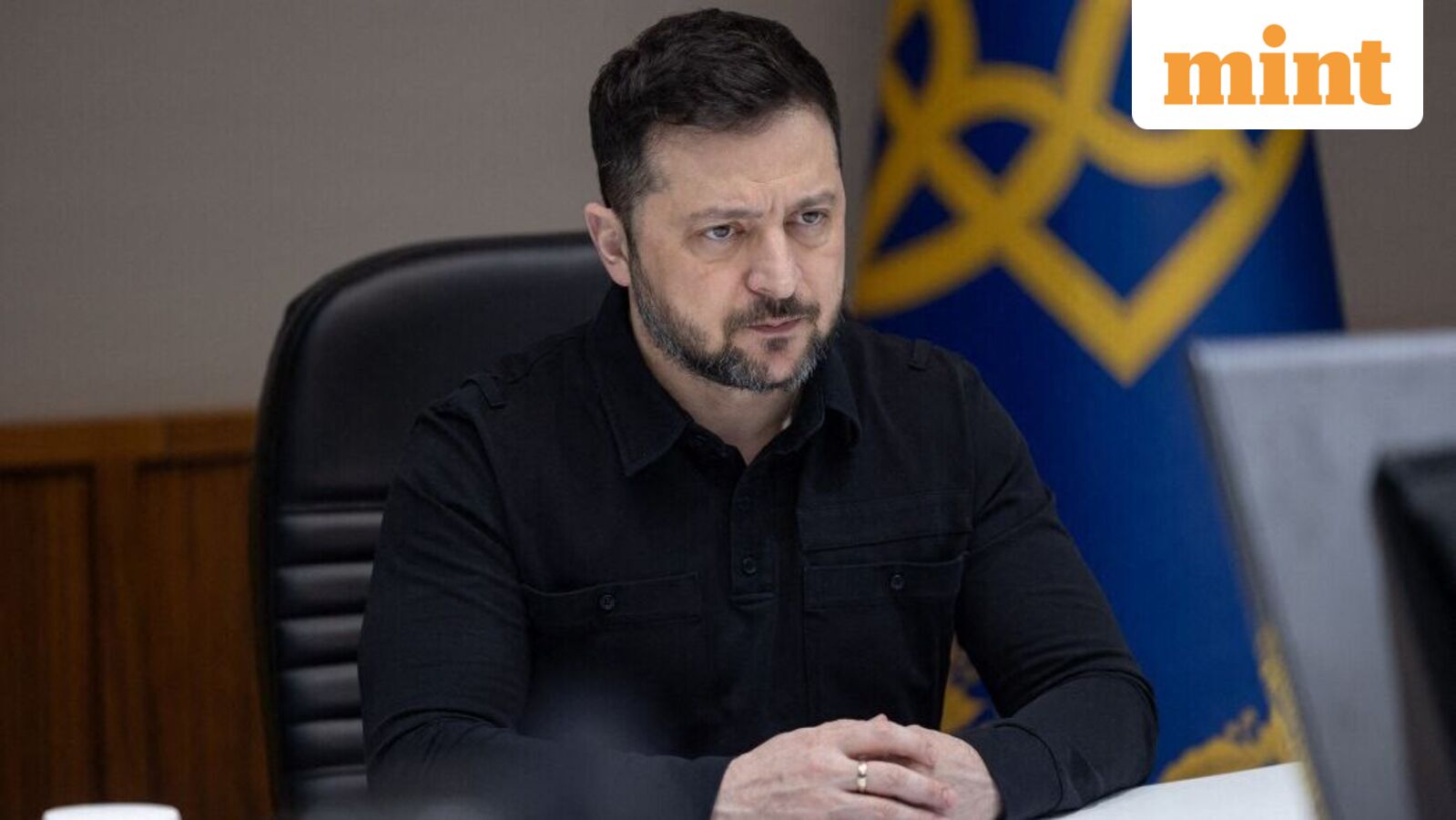
Theindiapostdaily.com – What’s behind Zelensky’s surprise reshuffle has become a focal point of political debate in Ukraine. President Volodymyr Zelensky’s recent decision to overhaul his government, including the replacement of Defence Minister Mykhailo Fedorov, has sparked public dissent and street protests. The move, which also saw Sergiy Koretsky, former head of Naftogaz, appointed as prime minister, was framed as a strategic effort to fortify Ukraine’s readiness for winter. Yet, the swift dismissal of Fedorov—known for his reformist agenda—has led to accusations of political maneuvering and a growing divide among lawmakers and military leaders.
The Political Context of the Reshuffle
Zelensky’s government reshuffle, though unexpected, follows a pattern of frequent cabinet changes since assuming office in 2019. The decision to replace Fedorov, a key architect of Ukraine’s modernized military, comes amid tensions between reformist factions and traditionalist generals. Analysts suggest the timing aligns with Zelensky’s desire to consolidate power and address lingering concerns about energy security and military logistics. However, critics argue that the shuffle undermines trust in the government’s ability to manage the war effort effectively.
“The move came out absolutely unexpected,” remarked opposition lawmaker Inna Sovsun, highlighting the lack of prior warning or explanation. This sentiment is echoed by public figures and citizens alike, many of whom view the reshuffle as a power grab rather than a necessary adjustment. The lack of transparency in the decision-making process has further fueled frustration, with protests now demanding accountability and a reversal of the appointments.
Defence Tensions and Military Reactions
The removal of Fedorov has deepened the rift within Ukraine’s military leadership. Fedorov, a former tech entrepreneur and popular minister, was criticized for pushing forward with modernization initiatives that prioritized technology and efficiency over established Soviet-era tactics. His dismissal is believed to have been influenced by Army Chief Oleksandr Syrsky, whose traditionalist approach has clashed with Fedorov’s progressive vision. Syrsky, a seasoned commander with a reputation for strategic victories, has been accused of resisting changes that could enhance Ukraine’s battlefield adaptability.
Syrsky’s leadership during the early stages of the war and the successful 2022 counter-offensive in Kharkiv has earned him widespread respect. However, his resistance to integrating new technologies and tactics has drawn scrutiny. Some military figures, including Joint Forces Commander Mykhailo Drapaty, have publicly endorsed Syrsky’s methods, arguing that the army needs stability over rapid experimentation. Others, like a resigned deputy air force commander, warn that Fedorov’s removal could weaken Ukraine’s defensive capabilities, especially as the conflict enters a new phase.
Public Sentiment and Opposition Concerns
As the protests gain momentum, public sentiment reflects a mix of support for Syrsky and concern over Zelensky’s leadership. Many Ukrainians, particularly those in the military, see Syrsky’s return as a sign of continuity and resilience. Yet, the opposition and reformist groups fear that the reshuffle prioritizes political loyalty over merit, potentially slowing Ukraine’s progress in modernizing its armed forces. The protests, which have drawn thousands to the streets, are not just about Fedorov’s removal but also about the broader implications of this shift in government.
“We won’t feel the consequences tomorrow… but by late autumn, and definitely winter, we will,” warned drone expert Maria Berlinska, underscoring the long-term impact of the reshuffle. This warning highlights the critical juncture Ukraine faces, where strategic decisions in the autumn could determine its ability to withstand future Russian advances. The debate over Fedorov’s legacy and Syrsky’s tactics continues to dominate discussions in both media and political circles, with no clear consensus in sight.
What’s Next for the Ukrainian Government?
Koretsky’s formal appointment as prime minister remains pending, with parliamentary approval required. Despite the public outcry, no immediate vote has been scheduled, suggesting a deliberate strategy to allow the reshuffle to take hold before facing backlash. Meanwhile, Zelensky’s administration faces the challenge of managing the protests while balancing the needs of the military and energy sectors. The potential for further political shifts in the coming weeks could reshape Ukraine’s war strategy and domestic governance.
Russian military bloggers have seized on the turmoil, interpreting the reshuffle as a sign of internal instability in Kyiv. One analyst praised Zelensky for eliminating a minister “causing so many problems” for Moscow’s forces, suggesting the move could disrupt Ukraine’s operational plans. However, the protests indicate that the decision has not only affected military dynamics but also resonated deeply with the Ukrainian public, who now see the reshuffle as a threat to their country’s unity and direction.