Zelensky calls for army ‘unity’ after defence minister’s dismissal sparks protests
Zelensky Demands Army Unity Amid Defense Minister Dismissal Protests Theindiapostdaily.com – President Volodymyr Zelensky has urged military unity in Ukraine following the dismissal of Defense Minister Mykhailo Fedorov, a move…
Zelensky Demands Army Unity Amid Defense Minister Dismissal Protests
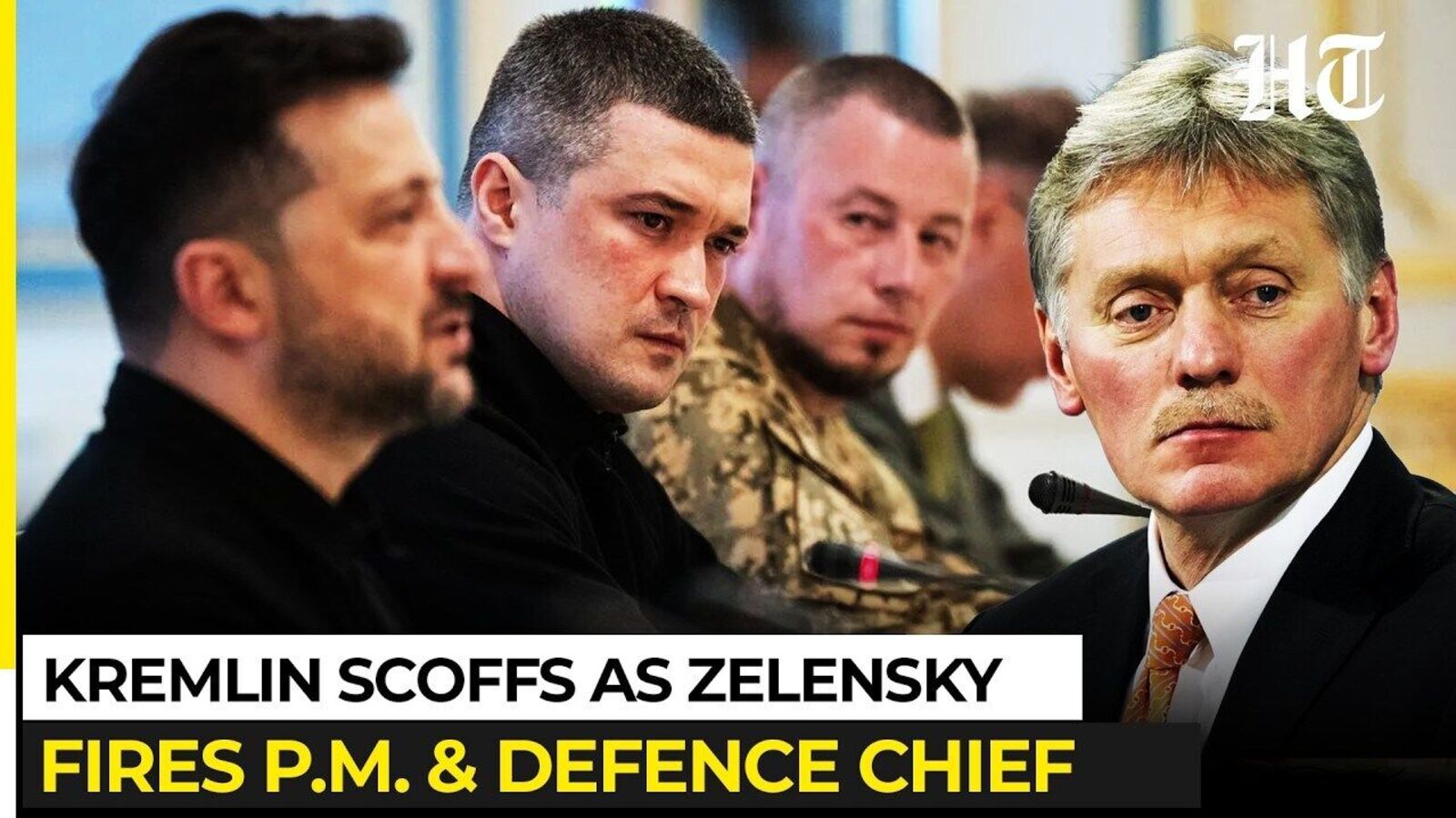
Theindiapostdaily.com – President Volodymyr Zelensky has urged military unity in Ukraine following the dismissal of Defense Minister Mykhailo Fedorov, a move that has ignited widespread protests. The abrupt removal of Fedorov, a 35-year-old reformist known for his efforts to modernize the country’s military infrastructure, has raised concerns about internal discord and its potential impact on the ongoing war effort. In a public statement, Zelensky emphasized the need for solidarity, stating that the armed forces must remain united to withstand the challenges posed by Russia’s relentless attacks.
Leadership Rift and Wartime Dilemmas
Zelensky acknowledged the growing tension between Fedorov and Commander-in-Chief Oleksandr Syrskyi during a press briefing in Kyiv. The dispute, he noted, has forced him to choose between two critical figures in the defense sector, a decision that could affect strategic coordination. “I would very much like unity,” he reiterated, highlighting the importance of maintaining a cohesive front in the face of external threats. “A wartime leader should not have to make such choices that divide the military’s efforts.”
“Our main task is to fully equip the army with a range of drones, scale up Ukraine’s defense sector, and prepare for another winter of Russian strikes on the power grid,” said Prime Minister Sergii Koretskyi, who was appointed following the cabinet reshuffle. The new government, led by Koretskyi, aims to consolidate resources and streamline operations, but the ongoing leadership shifts have left some questioning the stability of Ukraine’s defense command.
Fedorov’s Criticisms and Supporters’ Defenses
Fedorov’s decision to step down as defense minister has been met with mixed reactions. While he criticized Syrskyi for hindering essential reforms, supporters argue that his contributions—such as modernizing drone warfare and implementing data-driven strategies—have been vital to Ukraine’s military progress. In a public statement, Fedorov stated, “Instead of working out how to defeat Russia, he has figured out how to split the country.” This remark has fueled debates about the balance between operational effectiveness and administrative efficiency within the defense ministry.
The dismissal of Fedorov also sparked discussions about the role of civilian leadership in military strategy. Critics claim that the move reflects a growing divide between political and military factions, with Syrskyi’s emphasis on frontline control clashing with Fedorov’s focus on systemic reforms. Zelensky’s call for unity underscores the urgency of reconciling these differing priorities, as the war continues to demand both innovative tactics and efficient execution.
Protest Movement and Public Sentiment
Thousands of protesters took to the streets of Kyiv and other cities, demanding accountability for the leadership change. Demonstrators carried signs reading “Shame!” and “For what?” while chanting slogans like “The Russians are celebrating.” The protests highlight growing public frustration with perceived inefficiencies in the defense sector, despite Ukraine’s recent successes in targeting Russian oil facilities and logistics networks. “We see results, we see clear progress in our fight for freedom,” said one protester, Ali, who joined the rally to voice support for Fedorov’s reforms.
The movement has also drawn attention to broader issues within Ukraine’s military structure. While the armed forces have achieved key victories, challenges such as staffing shortages and limited air defenses persist. Protests have intensified as citizens express concern that the dismissal of Fedorov could undermine Ukraine’s ability to sustain its war efforts. As the conflict enters its third year, unity among the military is seen as crucial to maintaining momentum and defending against Moscow’s escalating attacks.
Strategic Realignments and Political Context
Zelensky’s decision to replace Fedorov marks the second major cabinet overhaul of the year, reflecting the pressure to balance reform with operational needs. The president remains open to selecting a successor, with Interior Minister Ihor Klymenko among the potential candidates under consideration. This shift in leadership comes amid a backdrop of evolving military strategies and political dynamics, as Ukraine seeks to adapt to a prolonged conflict. Analysts suggest that Zelensky’s emphasis on unity is a strategic move to bolster morale and ensure consistent direction in the