Govt lists five new Bills, including MSME and Income-tax amendments, in tentative Monsoon Session agenda
As the government prepares for the upcoming Monsoon Session of Parliament, it has unveiled a tentative
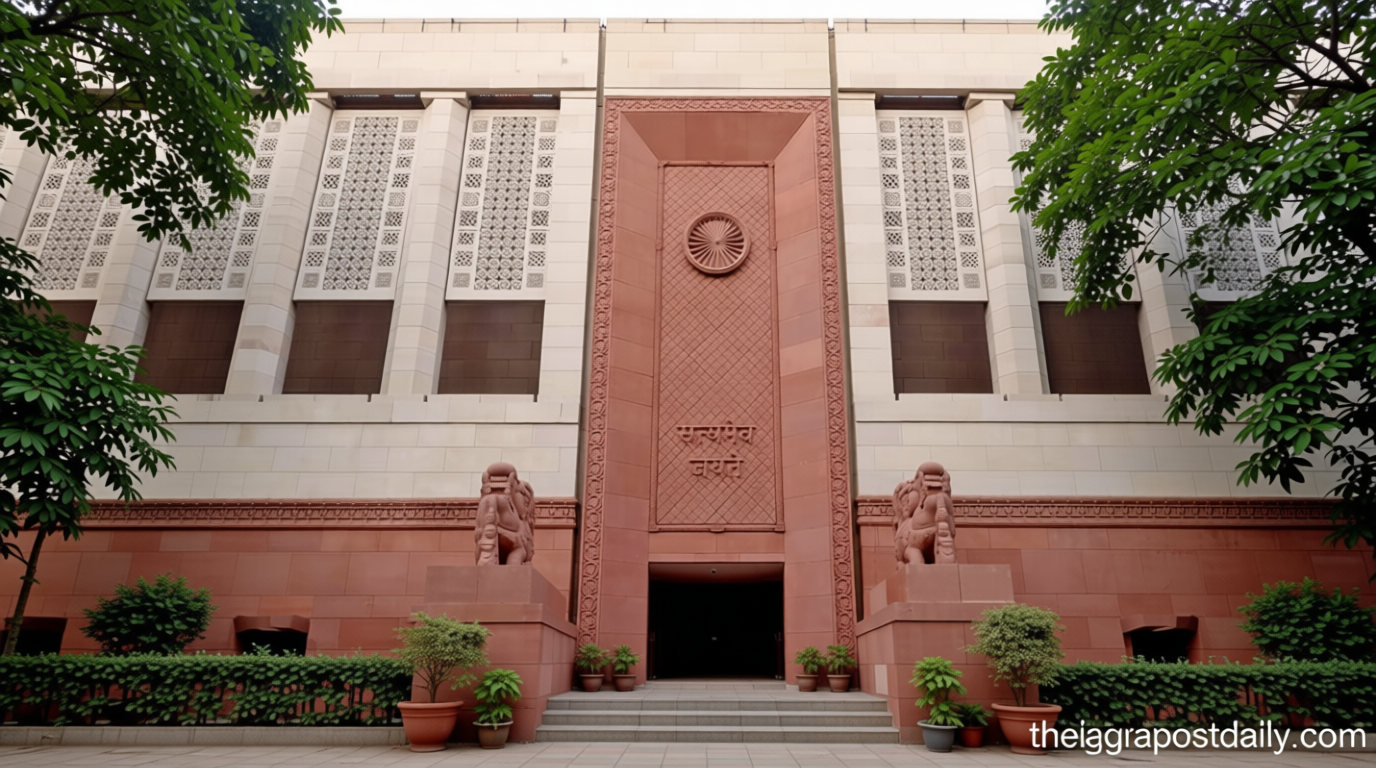
Govt Lists Five New Bills in Monsoon Session Agenda
Theindiapostdaily.com – As the government prepares for the upcoming Monsoon Session of Parliament, it has unveiled a tentative legislative agenda featuring five new Bills. These proposals, which include amendments to the MSME Development Act and income-tax laws, aim to address pressing economic challenges and streamline policy frameworks. The session, scheduled to begin on 20 July, marks a critical period for lawmakers to focus on reforms that could significantly impact various sectors of the economy.
Legislative Priorities and Economic Reforms
The Lok Sabha Secretariat has released a detailed outline of the bills to be considered during the Monsoon Session, highlighting the government’s intent to modernize regulations and boost business growth. Among the key priorities are measures designed to enhance support for micro, small, and medium enterprises (MSMEs), which form the backbone of India’s economy. These amendments are expected to simplify compliance procedures, reduce operational costs, and create a more favorable environment for entrepreneurship. Additionally, the income-tax reforms are aimed at improving tax collection efficiency and making the system more equitable for different income groups.
MSME Development Act Amendments
One of the standout bills in the agenda is the proposed amendment to the MSME Development Act, which seeks to modernize the legal framework governing small businesses. The changes would include provisions for easier access to credit, streamlined licensing processes, and enhanced incentives for innovation and digital adoption. Officials have emphasized that these amendments are crucial for revitalizing the MSME sector, which contributes significantly to employment and GDP. The revised Act is also expected to address the growing concerns of entrepreneurs about bureaucratic hurdles and inconsistent policy implementation.
“The MSME sector has been pivotal in driving India’s economic resilience, and these amendments are a step towards ensuring their sustained growth,” said a senior government official. “By reducing administrative burdens and increasing financial accessibility, we aim to empower more businesses to thrive in the current landscape.”
The inclusion of the Income-tax Amendment Bill further underscores the government’s commitment to fiscal reform. The proposed changes would introduce new tax slabs, expand deductions for specific industries, and simplify tax filing procedures. Experts suggest that these updates could help reduce the tax burden on small businesses while ensuring better compliance among larger corporations. The reforms also aim to address the issue of tax evasion and improve the overall revenue collection process.
Other bills on the agenda include measures related to digital infrastructure, labor laws, and financial sector regulation. These proposals are designed to create a more integrated and competitive economic ecosystem. For instance, the digital infrastructure bill would focus on expanding broadband access and promoting technology-driven solutions to enhance productivity. The labor law amendments aim to balance workers’ rights with the flexibility needed for businesses to adapt to market changes. Together, these bills reflect the government’s multi-pronged approach to economic stability and growth.
The tentative agenda has sparked discussions among industry leaders, economists, and policymakers. While some welcome the focus on MSME and tax reforms, others have raised concerns about the pace of implementation and the potential impact on existing regulations. The government has assured stakeholders that the bills will undergo thorough deliberation before being finalized. With the Monsoon Session expected to last for several weeks, the focus keyword “Govt lists five new Bills” will be a central theme as debates unfold on various legislative fronts.