US Iran News LIVE: Israeli, US defense chiefs discuss Iran strikes, regional security as fighting over Hormuz escalates
US Iran News LIVE: Escalating Conflict Over Hormuz Sparks Global Concern Theindiapostdaily.com – The U.S. has launched a second wave of military strikes targeting Iranian assets in the strategic Strait…
US Iran News LIVE: Escalating Conflict Over Hormuz Sparks Global Concern
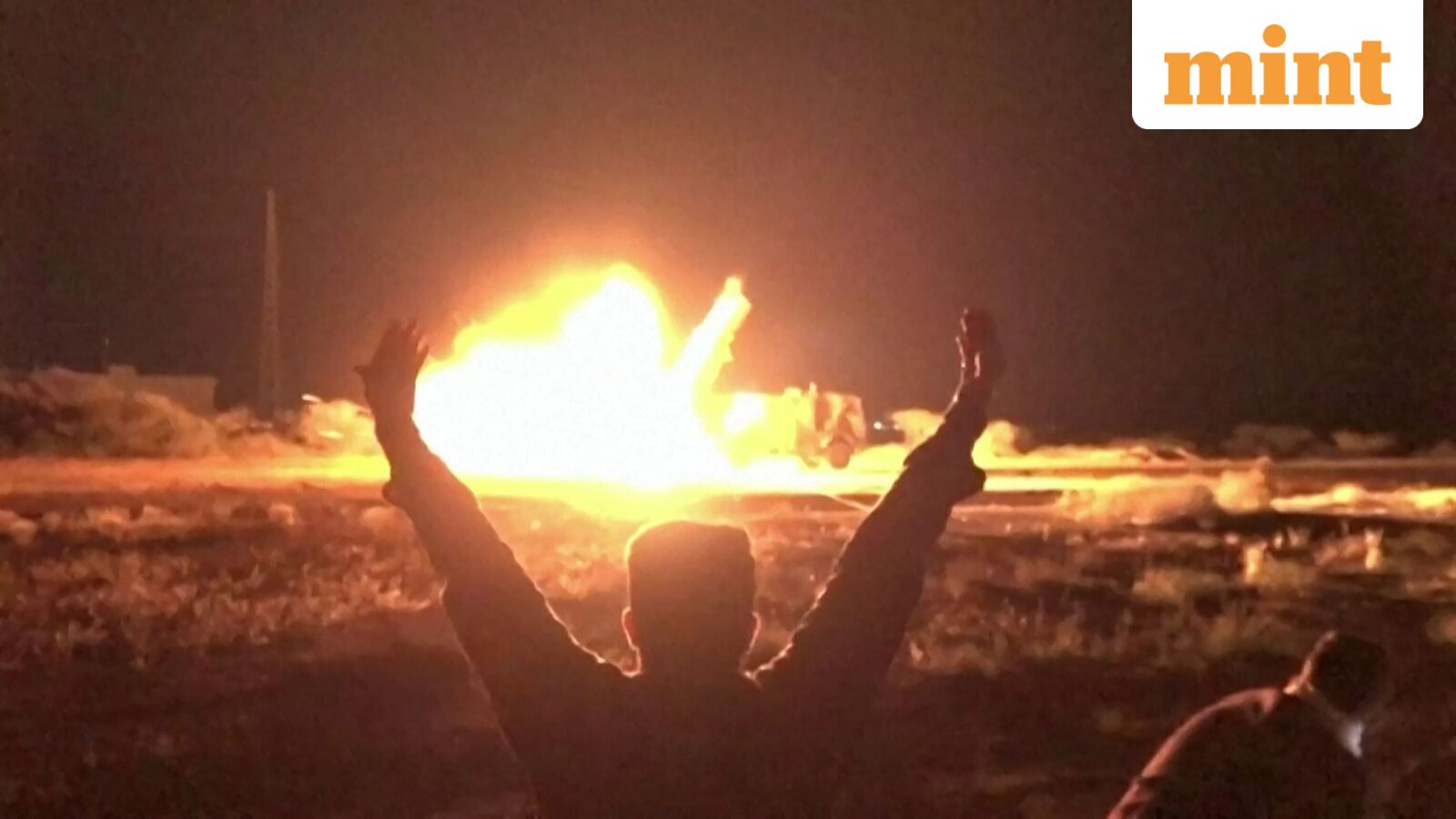
Theindiapostdaily.com – The U.S. has launched a second wave of military strikes targeting Iranian assets in the strategic Strait of Hormuz region, intensifying tensions with Tehran. Reports indicate a critical oil tanker was disabled near an Iranian port in the Arabian Gulf, raising fears of disruptions to global energy supplies. This development marks a significant escalation in the ongoing U.S.-Iran standoff, with both sides accusing each other of escalating hostilities.
Regional Security and Strategic Implications
Defense leaders from the U.S. and Israel convened urgently to discuss the implications of the recent strikes, highlighting concerns over the safety of maritime trade routes and the broader stability of the Middle East. The meeting followed a series of U.S. military operations that have drawn sharp Iranian retaliation, underscoring the precarious balance between conflict and diplomacy in the region. Experts warn that the Strait of Hormuz, a vital chokepoint for over 20% of the world’s oil exports, remains a flashpoint for further escalation.
US Iran News LIVE updates reveal that the second wave of strikes targeted Iranian military installations, including missile bases and radar systems, to weaken their capacity to threaten international shipping. The operation, coordinated by U.S. Central Command, was described as a precise strike aimed at disrupting Iran’s ability to project power in the Gulf. This follows a previous attack that had already damaged key Iranian infrastructure, prompting a cycle of retaliation and counter-retaliation.
Trump’s Call for Expanded Military Action
President Donald Trump emphasized a hardline approach during a Tuesday interview with Fox News, stating that the U.S. would broaden its military campaign against Iran if diplomatic efforts falter. “Unless Iran returns to negotiations, we will target its power plants and bridges,” he declared, signaling a shift toward more aggressive measures. This warning comes amid growing pressure to demonstrate resolve in the face of Iranian provocations.
“Our goal is to cripple Iran’s ability to wage war in the region, and that means striking at their critical infrastructure,” Trump added, as reported by The New York Times. His remarks align with recent statements from U.S. defense officials, who have framed the conflict as a necessary step to protect American interests and allies in the Gulf.
Iran’s Response and Regional Fallout
Iran’s Revolutionary Guards have vowed to retaliate against the U.S. strikes, with officials claiming the attacks killed seven Iranian personnel and damaged a major military facility. A spokesperson for the IRGC stated, “Our operations will continue until the U.S. stops its aggression,” as reported by Iran International. The retaliatory measures include strikes on U.S. bases in the region and threats to close the Strait of Hormuz entirely.
“The U.S. has provoked us, and now we will show them the consequences,” said Hussein Mohebbi, a top Iranian military official, emphasizing the country’s readiness to escalate tensions further. The conflict has drawn support from Gulf allies like Bahrain and Kuwait, who have expressed solidarity with the U.S. in safeguarding regional security.
US Iran News LIVE updates also highlight the potential economic impact of the conflict, with oil prices surging due to fears of reduced tanker traffic through Hormuz. Analysts note that the prolonged military engagement could lead to a broader regional coalition against Iran, particularly if the U.S. continues its aggressive posture. Meanwhile, diplomatic channels remain open, but progress is hindered by the cycle of attacks and counterattacks.
Stay informed with US Iran News LIVE for the latest developments, including real-time updates on strikes, Iranian responses, and the evolving dynamics of U.S.-Iran relations. As the situation unfolds, the world watches closely for signs of a potential crisis in the world’s most vital oil artery.