Trump rejects plan to halt ICE traffic stops, calls vehicle checks key to immigration crackdown
Trump Rejects Plan to Halt ICE Traffic Stops, Calls Vehicle Checks Key to Immigration Crackdown Trump rejects plan to halt ICE traffic - President Donald
Trump Rejects Plan to Halt ICE Traffic Stops, Calls Vehicle Checks Key to Immigration Crackdown
Theindiapostdaily.com – President Donald Trump has firmly opposed efforts to suspend Immigration and Customs Enforcement (ICE) traffic stops, emphasizing that such measures are essential for the administration’s immigration enforcement strategy. Despite recent scrutiny over fatal incidents involving ICE officers, Trump maintains that vehicle checks remain a critical tool in targeting undocumented individuals and strengthening border security. His stance underscores the administration’s commitment to aggressive immigration policies, even as controversies over the use of force in traffic stops persist.
Opposition to Traffic Stop Suspension
Trump’s rejection of the plan to halt traffic stops came after a series of high-profile shootings of motorists in Texas, Maine, and Florida. The incidents raised questions about the safety of ICE’s tactics, yet the president defended them as necessary for curbing illegal immigration. In a post on his Truth Social platform on July 15, he declared, “We CANNOT give up one of ICE’s most important and effective Crime Fighting tools, THE TRAFFIC STOP!” This statement reflects his broader argument that suspending traffic stops would undermine the agency’s ability to enforce immigration laws effectively.
ICE Policy and Enforcement Challenges
Homeland Security Secretary Markwayne Mullin later confirmed that undocumented individuals would continue to be arrested and deported, but he left the future of routine traffic stops uncertain following the recent fatalities. While the administration has not officially suspended all vehicle checks, the shift in policy has sparked debate about whether ICE will adopt a more measured approach. Trump’s position highlights the tension between aggressive enforcement and public safety concerns, with critics arguing that the current practices risk civilian casualties.
Experts have noted that the Trump administration’s emphasis on traffic stops has led to a significant increase in encounters between ICE agents and undocumented migrants. This approach has been particularly effective in targeting individuals who are often unaware of their legal status and may avoid indoor hideouts. However, the recent deaths have prompted calls for reviewing the frequency and intensity of these stops, even as Trump insists they are a cornerstone of the immigration crackdown.
Fatal Encounters and Public Backlash
The deaths of three individuals during ICE-related traffic stops have intensified public scrutiny of the agency’s methods. In Florida, a 28-year-old man was struck by a tractor-trailer while evading immigration agents, raising questions about the risk of pursuit in rural areas. Earlier, two drivers were fatally shot—one in Texas and another in Maine—during high-speed chases. These incidents have fueled criticism from advocacy groups and legal experts, who argue that the use of lethal force in traffic stops may be excessive in some cases.
“We CANNOT give up one of ICE’s most important and effective Crime Fighting tools, THE TRAFFIC STOP!”
Trump’s declaration echoes his administration’s broader narrative that vehicle checks are indispensable for dismantling the illegal immigration network. However, the deaths have forced officials to consider whether the plan to halt traffic stops, which had been proposed by some within the agency, should be revisited. The debate has also highlighted the importance of transparency and accountability in ICE operations.
Details of the Maine Shooting
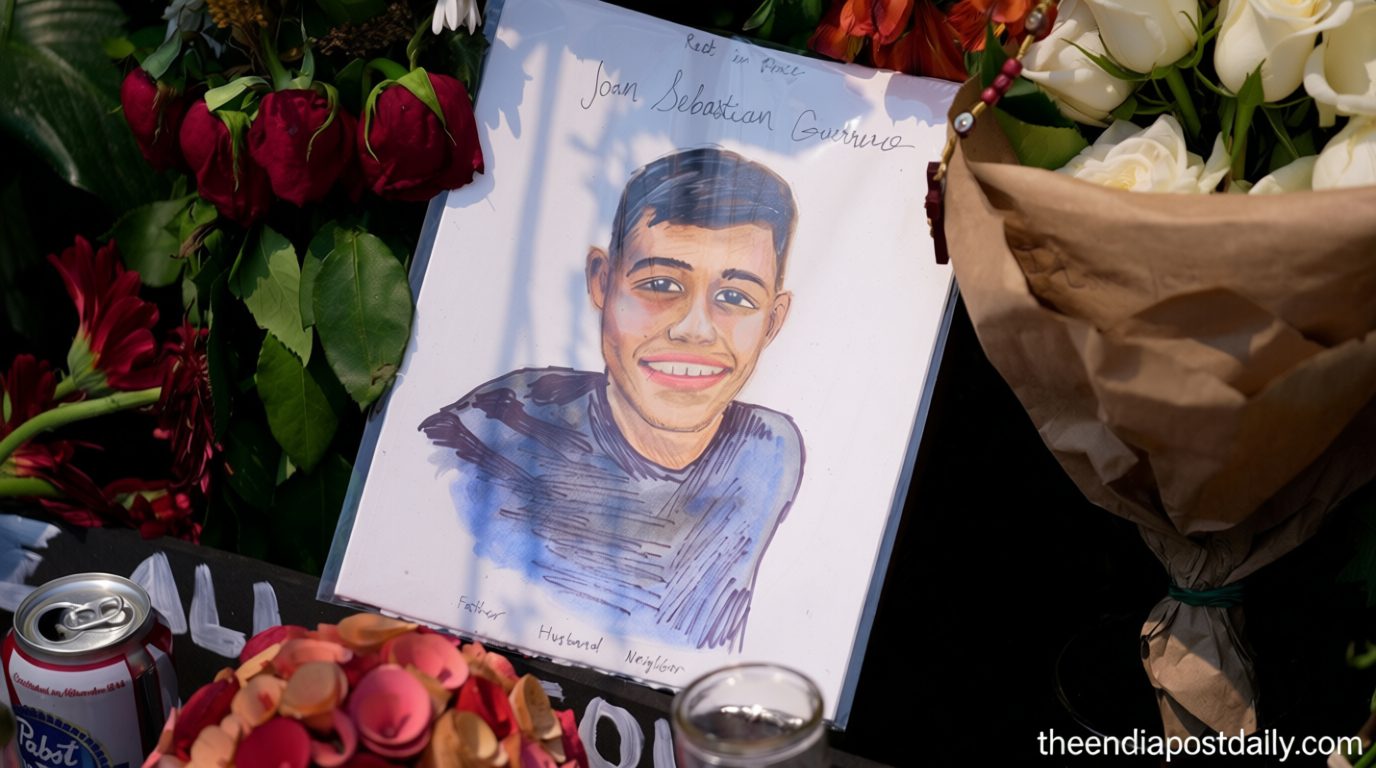
The fatal shooting in Maine involved a 25-year-old Colombian national, Johan Sebastián Durán Guerrero, who was killed by an ICE agent during a traffic stop. According to the Department of Homeland Security, Guerrero had entered the U.S. illegally through the southern border in September 2023 and was later released from custody. Advocacy groups have pointed out that he was authorized to work in the country at the time, suggesting that the incident could have been avoided with more cautious enforcement.
Authorities described the circumstances of the shooting as a response to Guerrero’s attempt to flee after being stopped. The incident occurred when officers were conducting surveillance on a residence, and the driver’s escape triggered a confrontation. Body cameras were not used during the stop, leaving questions about the decision-making process. The presence of bullet holes in the windshield further underscored the intensity of the encounter, fueling discussions about the appropriateness of using lethal force in such situations.
Impact on Immigration Enforcement
Trump’s rejection of the plan to halt vehicle checks has shaped ICE’s enforcement strategy, ensuring that the agency continues to prioritize locating undocumented individuals through mobile operations. This approach has been instrumental in maintaining the deportation rates the administration aims to achieve. However, the controversy surrounding the use of force has prompted some to question whether the tactics are too aggressive or if they need to be adjusted to minimize risks.
As the debate over traffic stops continues, the Trump administration remains steadfast in its support for vehicle checks. The focus keyword “Trump rejects plan to halt” is frequently used to underscore the president’s position, while also reflecting the broader policy implications. With the immigration crackdown ongoing, the decision to continue traffic stops is seen as a key component of the administration’s efforts to enforce strict border controls and curb unauthorized immigration.