E20 fuel row: What exactly is clean fuel, and why is ethanol called so? Explained
The E20 fuel row has ignited a national conversation about the future of
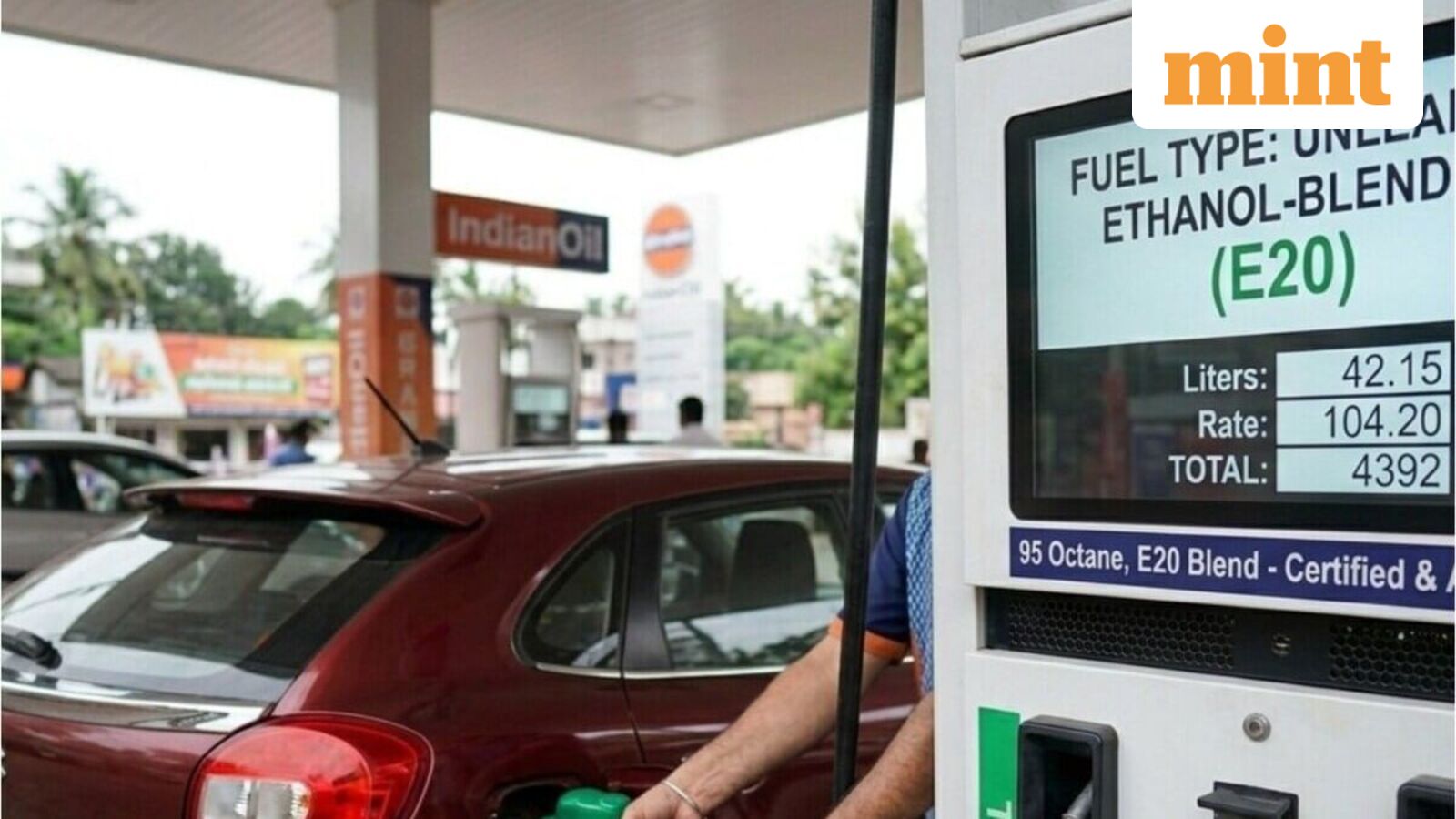
E20 Fuel Row Explained: What Is Clean Fuel and Why Ethanol Matters?
Theindiapostdaily.com – The E20 fuel row has ignited a national conversation about the future of transportation fuel in India. E20, a blend of 20% ethanol and 80% petrol, is promoted as a cleaner, higher-quality alternative to conventional gasoline. The Ministry of Petroleum and Natural Gas emphasized its role in reducing carbon emissions and improving fuel efficiency, positioning it as a key step toward sustainable energy. As the government enforces a nationwide mandate to switch to E20, the debate over its benefits and challenges continues to shape policy discussions.
The Science Behind E20 and Ethanol
Ethanol, a renewable fuel derived from plant materials like sugarcane and maize, is central to the E20 fuel row. Its integration into petrol has been a strategic move to lower the environmental impact of fossil fuels. The EBP Programme, which mandates E20 as the standard fuel, aligns India with countries such as Canada and Thailand that have adopted similar ethanol blending strategies. Ethanol’s ability to reduce greenhouse gases by up to 52% compared to gasoline makes it a critical component of global efforts to combat climate change.
While ethanol is often called “clean fuel” due to its lower emissions, its production and use are not without complexities. The Renewable Fuels Association highlights that ethanol’s lifecycle emissions are significantly lower than those of petroleum-based fuels, but factors like land-use changes can affect this advantage. Nevertheless, ethanol’s combustion produces fewer pollutants such as carbon monoxide and unburnt hydrocarbons, which are major contributors to air pollution. This is why the E20 fuel row is seen as a pivotal shift in India’s energy landscape.
Benefits of E20 for Vehicles and the Environment
Supporters of the E20 fuel row argue that its benefits extend beyond environmental gains. Ethanol’s higher octane rating can enhance engine performance, making it appealing for modern vehicles. Additionally, the widespread adoption of E20 could bolster rural economies by creating demand for agricultural raw materials. However, challenges remain, including the rising cost of ethanol, which has outpaced refined petrol in recent months. The Indian government acknowledges this trend, noting that procurement expenses have increased, yet E20 is still viewed as a viable solution for reducing fossil fuel dependence.
Another key advantage of E20 is its potential to improve fuel economy. Studies suggest that ethanol blends can optimize combustion efficiency, though the exact impact depends on engine design and fuel mix. The US Department of Energy points out that ethanol’s performance is particularly effective in flex-fuel vehicles, which are engineered to handle higher ethanol concentrations. This underscores the importance of infrastructure development to support E20’s long-term viability in India’s transportation sector.
The E20 fuel row also raises questions about consumer acceptance. While the government has mandated its use, some drivers report issues like reduced mileage or engine knocking when switching from pure petrol. These concerns highlight the need for public education and gradual implementation. Despite these hurdles, the E20 initiative remains a cornerstone of India’s plan to transition toward cleaner energy sources, with the potential to redefine the nation’s environmental footprint.
Global Implications of India’s E20 Transition
India’s push for E20 is part of a broader global movement to adopt clean fuels. Nations like the United States and Europe have long utilized ethanol blending as a strategy to reduce fossil fuel reliance. The Metropolitan Washington Council of Governments highlights that clean fuels like E20 contribute to cleaner air and sustainable energy systems, making them essential for combating climate change. As India continues to scale up E20 production, its role in the global clean fuel market could set a precedent for other developing countries.
The E20 fuel row also reflects India’s commitment to energy independence. By leveraging domestically produced ethanol, the country aims to cut down on imports of crude oil, which currently account for a significant portion of its energy budget. This shift not only addresses environmental concerns but also strengthens economic resilience. However, the success of E20 depends on factors like ethanol supply chains, vehicle compatibility, and consumer awareness, which are critical areas for future focus.
As the E20 fuel row progresses, it is clear that ethanol’s role in the clean fuel narrative is evolving. While it may not be a perfect solution, its integration into the energy mix offers a practical step toward reducing emissions and promoting sustainability. The ongoing debate surrounding E20 underscores the importance of balancing environmental benefits with economic and logistical challenges. With continued investment and policy refinement, India’s E20 initiative could serve as a model for other nations seeking to transition to cleaner energy sources.