Vijay-led Tamil Nadu govt gets relief as SC stays Madras HC’s cow slaughter ban directive
Tamil Nadu Government Gets Relief as Supreme Court Stays Cow Slaughter Ban Directive Theindiapostdaily.com – The Vijay-led Tamil Nadu government has received a temporary reprieve from the Supreme Court, which…
Tamil Nadu Government Gets Relief as Supreme Court Stays Cow Slaughter Ban Directive
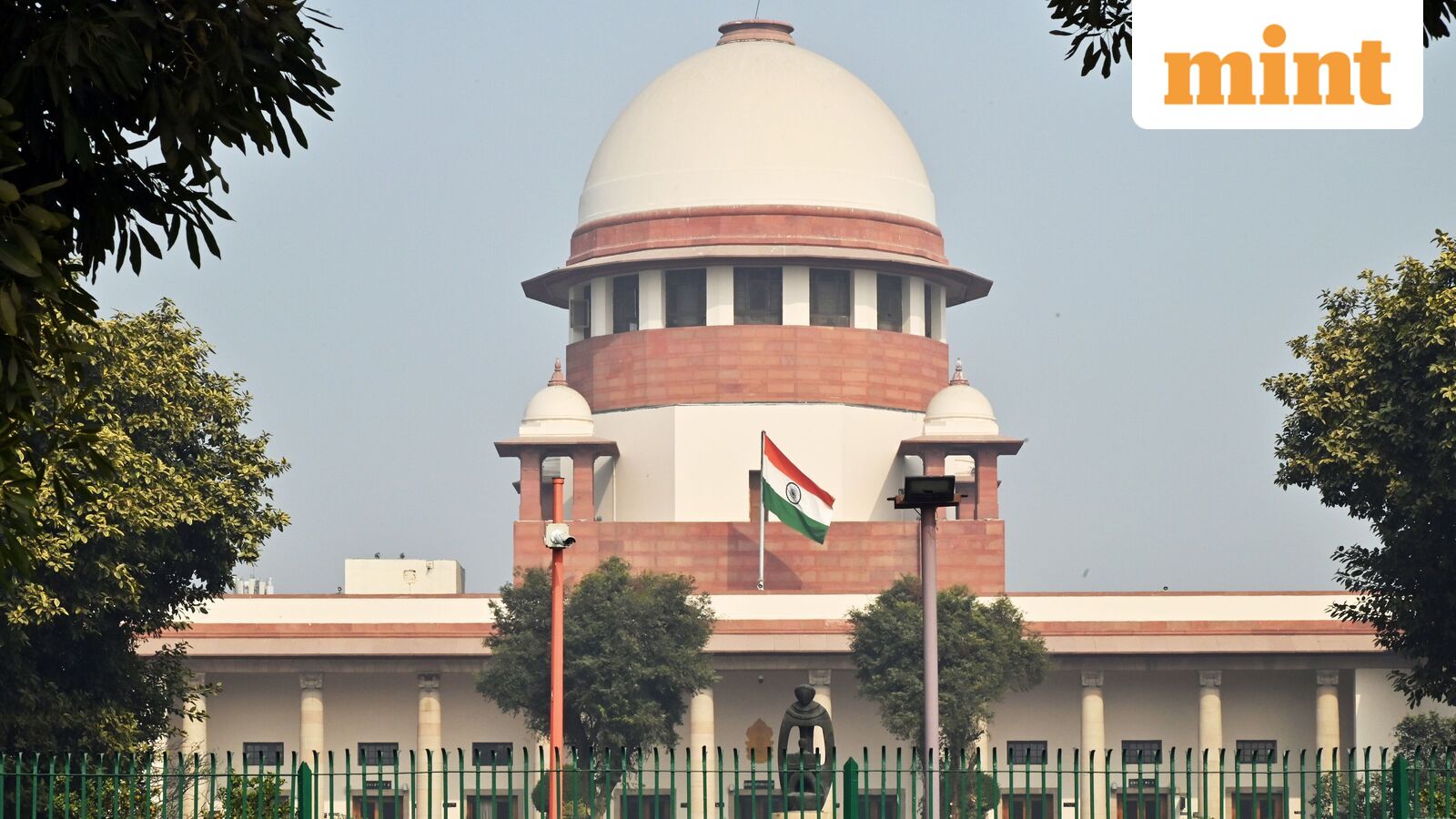
Theindiapostdaily.com – The Vijay-led Tamil Nadu government has received a temporary reprieve from the Supreme Court, which has stayed the Madras High Court’s directive mandating a ban on cow and calf slaughter in the state. This decision, announced on Monday, provides the state administration with an opportunity to defend its position on the issue, which has been a subject of legal debate for several months. The ruling comes after the High Court had previously imposed restrictions on slaughter practices, prompting the government to challenge the order in a higher court.
Legal Challenge and Judicial Review
The Supreme Court’s interim order was issued as part of its review of a petition filed by the Tamil Nadu government, seeking to overturn the Madras High Court’s May 27 directive. The petition argued that the High Court’s order was too broad and conflicted with existing state laws, including the Tamil Nadu Animal Preservation Act, 1958. The court’s bench, consisting of Justices Vikram Nath and Sandeep Mehta, acknowledged the issue for further evaluation and called for input from all involved parties before making a final decision.
Key to the government’s argument was the claim that the High Court’s directive imposed an unnecessary burden on local authorities. By staying the order, the Supreme Court has allowed the state to continue enforcing its current regulations while the legal battle unfolds. The government emphasized that the ban on cow slaughter should be implemented within the framework of existing statutes, rather than through an expansive judicial intervention.
Public Interest Litigation and State Response
The Madras High Court’s initial directive was prompted by a public interest litigation (PIL) filed by a resident of Coimbatore, K. Surya Prasanth. The PIL sought to halt cow slaughter in public spaces, arguing that it was an act of cruelty and a violation of cultural sentiments. In response, the Tamil Nadu government highlighted that its current policies already address such concerns through regulated slaughterhouses and compliance mechanisms.
“The High Court’s order represents judicial legislation rather than a legal interpretation, as it extends beyond the scope of existing statutes,” stated the state government’s case. This sentiment underscores the central argument of the Tamil Nadu administration, which contends that the directive imposes a blanket ban without sufficient legal backing. The Supreme Court’s decision to stay the order reflects a balance between judicial authority and the state’s power to legislate on matters of animal preservation.
While the High Court had focused on public spaces, the Tamil Nadu government argued that the directive should be applied consistently across the state. The court’s order to the Chief Secretary and Director General of Police to enforce the ban in all areas was a critical point of contention. By granting a stay, the Supreme Court has effectively paused the immediate implementation of the directive, allowing the government to present its case more comprehensively.
Vijay’s Leadership and Policy Stance
As the leader of the Tamil Nadu government, Vijay has been a vocal advocate for policies that align with both legal and cultural considerations. His administration’s response to the High Court’s directive highlights a strategic approach to resolving the issue through legal channels. The stay on the ban provides a window for the government to strengthen its arguments, ensuring that its policies are upheld in the face of judicial scrutiny.
Under Vijay’s leadership, the state has consistently emphasized the importance of balancing animal welfare with economic and social factors. The government’s stance is that while cow slaughter should be restricted, a complete ban may not be feasible without adequate provisions for regulated facilities. This approach has drawn support from various stakeholders, including local farmers and traders who rely on the industry for livelihoods.
Implications for the Legal Landscape
The Supreme Court’s stay on the Madras High Court’s directive signals a critical moment in the legal dispute over cow slaughter in Tamil Nadu. By allowing the state to continue enforcing its regulations, the court has acknowledged the need for a nuanced evaluation of the issue. This decision may also influence future rulings on similar matters, setting a precedent for how judicial interventions are weighed against legislative authority.
Legal experts suggest that the stay provides the Tamil Nadu government with time to refine its arguments and present evidence supporting its position. The government will now have the chance to demonstrate how its existing framework addresses the concerns raised by the High Court, potentially leading to a resolution that maintains the ban while incorporating necessary safeguards. This phase of the legal process could last several weeks, with the final verdict expected to address the broader implications for the state’s animal preservation policies.
Public Reaction and Policy Impact
The decision to stay the cow slaughter ban has sparked mixed reactions from the public. Proponents of the ban view it as a victory for environmental and cultural preservation, while opponents argue that it imposes an undue economic burden on communities reliant on the industry. The Tamil Nadu government, led by Vijay, will need to address these concerns in its upcoming submissions, ensuring that the legal arguments are aligned with the state’s broader policy objectives.
With the stay in place, the government can now focus on reinforcing its position that the ban should be implemented within the confines of existing laws. This includes emphasizing the Tamil Nadu Urban Local Bodies Rules, 2023, which provide a structured approach to regulating slaughter practices. By leveraging these provisions, the administration aims to demonstrate that the ban is both enforceable and necessary, without requiring an expansive judicial order.