No cars in BKC every Friday starting June 12: What it means for Mumbai’s 2 lakh+ corporate employees
No Cars in BKC Every Friday Starting June 12: A Shift for Mumbai’s 2 Lakh+ Corporate Workforce No cars in BKC every Friday - Mumbai’s Bandra Kurla Complex
No Cars in BKC Every Friday Starting June 12: A Shift for Mumbai’s 2 Lakh+ Corporate Workforce
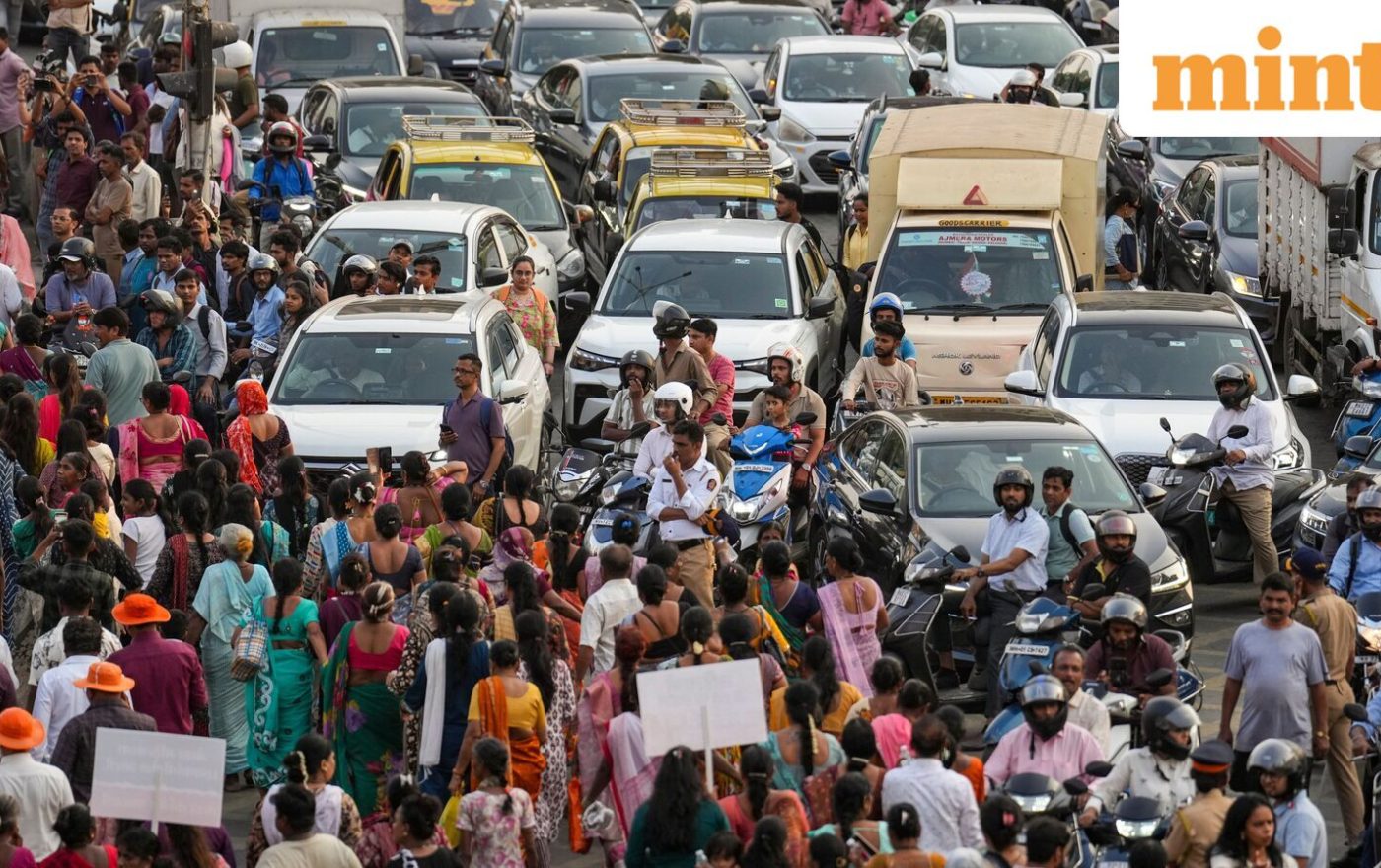
Theindiapostdaily.com – Mumbai’s Bandra Kurla Complex (BKC), one of the city’s most congested business hubs, is set to implement a groundbreaking initiative: **no cars in BKC every Friday** starting June 12. This measure, spearheaded by the Mumbai Metropolitan Region Development Authority (MMRDA) in collaboration with BEST, Mumbai Metro Rail Corporation Limited (MMRCL), the Traffic Police, and auto-rickshaw unions, aims to ease traffic and reduce carbon emissions. By dedicating Fridays to public transport, the plan targets nearly 2 lakh corporate employees who typically rely on private vehicles for their daily commute. The move is part of a broader effort to transform BKC into a more sustainable and accessible urban space, encouraging a cultural shift toward eco-conscious travel.
The Vision Behind ‘Public Transport Day’
Choosing **no cars in BKC every Friday** was a strategic decision rooted in both practical and environmental considerations. Fridays are often the most flexible day of the week, with many professionals opting to adjust their schedules for work-life balance. This flexibility makes them ideal for transitioning to alternative commuting methods, such as buses, trains, or even cycling. In contrast, Mondays are typically marked by the highest rush-hour traffic, as people return to work after the weekend. By focusing on Fridays, the initiative seeks to create a lasting impact without disrupting the daily routines of commuters. The MMRDA and its partners emphasize that this program is a test run, with the potential to be expanded to other days in the future.
The decision also aligns with Mumbai’s growing urban challenges. BKC, home to financial institutions, tech firms, and multinational corporations, sees thousands of vehicles clogging its roads each day. According to a 2023 report by the World Resources Institute (WRI) India, the area contributes significantly to the city’s air pollution and traffic gridlock. By eliminating private cars on Fridays, the city hopes to reduce vehicular load by up to 30%, creating smoother traffic flow and improving air quality. The MMRDA has also partnered with environmental groups to measure the long-term benefits of this experiment, including reduced greenhouse gas emissions and enhanced public transport utilization.
How the Initiative Will Work
Under the **no cars in BKC every Friday** policy, private vehicles will be restricted from entering the area during specific hours, with exact timings to be announced. Employees are encouraged to use metro services, BEST buses, or auto-rickshaws for their commutes. The MMRDA has introduced a temporary parking fee to discourage car usage, while public transport users will receive incentives like subsidized fares or exclusive lanes. BEST has already pledged to increase bus frequency, while MMRCL is planning to introduce dedicated feeder routes to connect BKC with outer suburbs. The Traffic Police will enforce the restrictions through a combination of technology, such as traffic sensors, and manual patrols. Auto-rickshaw unions, too, have agreed to allocate more rickshaws to BKC, ensuring affordability and accessibility for all commuters.
This structured approach to mobility is designed to address the root causes of traffic congestion in BKC. The initiative also includes a public awareness campaign, with posters and digital ads highlighting the environmental and economic benefits of car-free Fridays. For instance, reducing the number of private vehicles could lower fuel consumption and parking demand, freeing up valuable urban space for green areas or pedestrian pathways. Additionally, the MMRDA has proposed a feedback system to gather insights from commuters, allowing for adjustments to the program based on real-world experiences. The success of this trial will be critical in determining whether similar measures can be sustained across the city.
Impact on Corporate Employees
The **no cars in BKC every Friday** initiative is expected to reshape commuting habits for the city’s 2 lakh+ corporate employees. While some may initially find the change inconvenient, the MMRDA anticipates long-term benefits, including reduced stress and travel time. Early data from pilot programs in other cities suggest that car-free days can lead to a 20-25% improvement in public transport efficiency. For employees in the financial sector, who often work in high-rise offices, the policy could encourage the adoption of more flexible work arrangements, such as remote days or staggered shifts. Employers are also being urged to support the transition by promoting carpooling and providing shuttle services to and from BKC.
Challenges remain, however. The initiative relies on commuter compliance, which may be difficult to ensure in the short term. Some employees worry about the reliability of public transport during peak hours, particularly if the number of buses and rickshaws is insufficient. To address this, the MMRDA has committed to expanding infrastructure, including additional metro stations and dedicated bike lanes. Moreover, the program’s success will depend on the coordination between various stakeholders, from traffic authorities to transport operators. If the experiment proves effective, it could serve as a model for other business districts in India, inspiring a nationwide shift toward sustainable urban mobility.
As Mumbai continues to grapple with urbanization, the **no cars in BKC every Friday** policy represents a bold step toward a greener future. By prioritizing public transport, the city aims to reduce its reliance on private vehicles, which currently account for over 60% of daily commutes in the area. The MMRDA estimates that the initiative could cut down on vehicular emissions by approximately 15% in the first year, contributing to Mumbai’s climate goals. While the program is voluntary, the authorities are optimistic that it will foster a sense of collective responsibility among commuters. The ultimate goal is to create a more resilient and environmentally friendly urban ecosystem, where mobility is not just about convenience, but also sustainability and shared progress.