Uneven monsoon to persist as IMD warns of heavy rain in northeast, dry spell elsewhere
Uneven Monsoon to Persist as IMD Warns of Heavy Rain in Northeast, Dry Spell Elsewhere Uneven monsoon to persist as IMD warns - The Indian Meteorological
Uneven Monsoon to Persist as IMD Warns of Heavy Rain in Northeast, Dry Spell Elsewhere
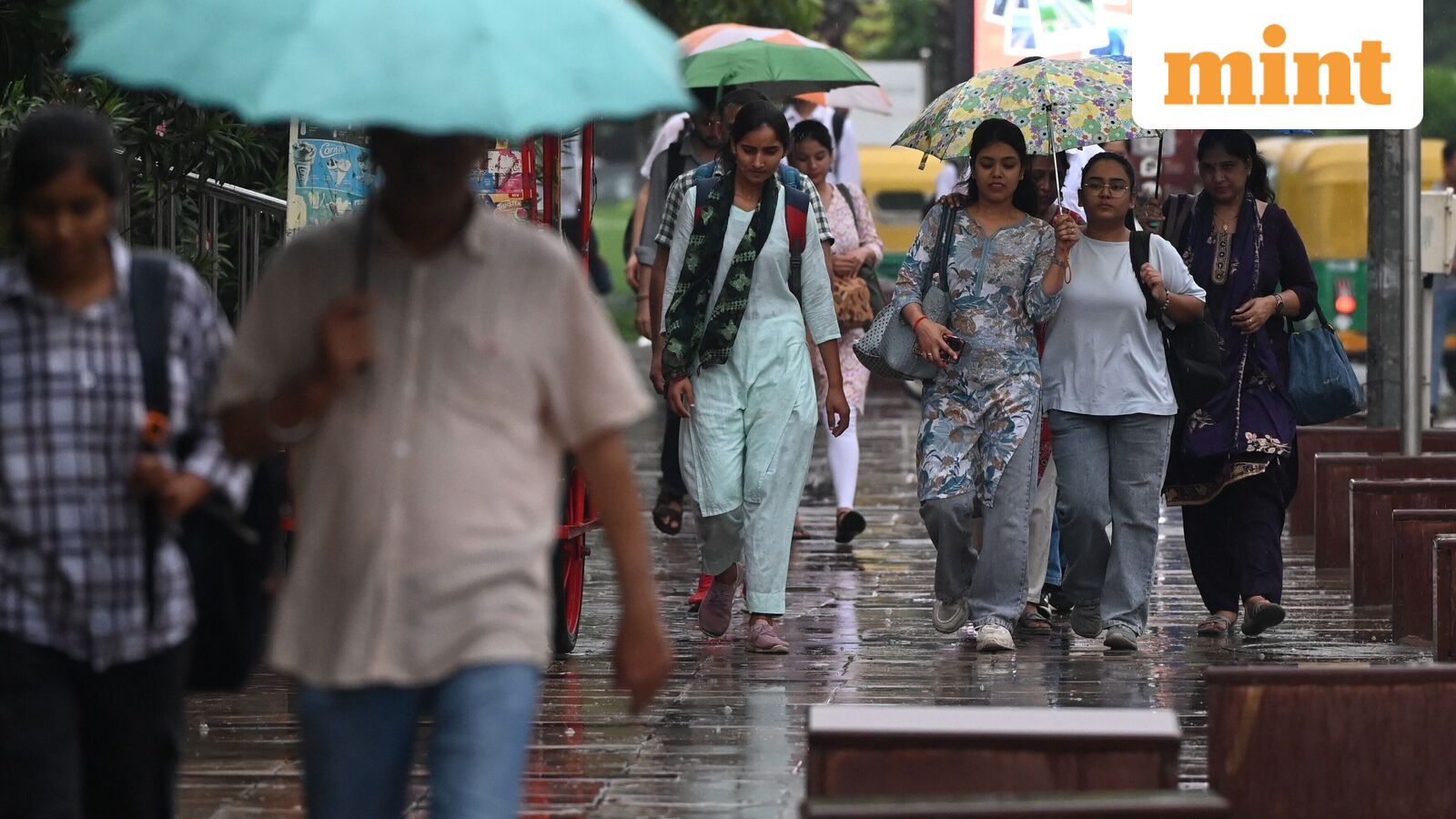
Theindiapostdaily.com – The Indian Meteorological Department (IMD) has confirmed that the monsoon season will continue to exhibit uneven patterns, with heavy to very heavy rainfall expected in the northeastern states and parts of eastern India. Meanwhile, regions such as northwest India, central India, and the southern peninsula may face below-average precipitation, creating a stark contrast across the country. This weather outlook underscores the challenges of managing water resources and agricultural planning amid the unpredictable distribution of rainfall.
Regional Monsoon Variability and Forecast Highlights
According to the IMD, the monsoon activity will remain highly variable, particularly in the Northeast and eastern regions. Areas like Assam, Meghalaya, and Arunachal Pradesh are anticipated to see prolonged heavy rain, which could lead to flooding and landslides. In contrast, the Deccan plateau and parts of the western regions, including Gujarat and Maharashtra, are likely to remain drier than usual. This disparity in rainfall distribution is attributed to shifting weather systems and the influence of the El Niño phenomenon.
The IMD has also noted that isolated heavy showers will continue in West Bengal, Bihar, and Jharkhand, with additional thunderstorms and squally winds expected in Punjab and Kutch. These weather events may disrupt transportation and cause localized disruptions in daily activities.
Across northern India, the forecast indicates that Uttarakhand will experience widespread rainfall through 18 July, potentially impacting river levels and hydropower generation. Himachal Pradesh may see similar conditions during the same period, while Delhi and surrounding areas are expected to have scattered showers. The central Indian states, including Chhattisgarh and Madhya Pradesh, will face isolated heavy downpours, though the intensity is likely to be less than in the Northeast. Western regions like Gujarat and Saurashtra are projected to remain relatively dry, with only light to moderate rainfall anticipated.
Monsoon Trends and Implications for Agriculture and Water Resources
The uneven monsoon distribution has raised concerns for farmers and water managers across India. While the Northeast benefits from above-normal rainfall, which is crucial for crop growth, other regions face the risk of drought or water scarcity. The IMD’s warning highlights the need for adaptive strategies, such as reservoir management and crop insurance programs, to mitigate the impact of erratic weather patterns.
Looking further into mid-July, the forecast suggests that the heavy rain in the Northeast will persist, with some areas possibly experiencing continuous downpours. However, the rest of the country, including the northwest and southern regions, may see a decline in rainfall, leading to prolonged dry spells. This could affect groundwater levels and increase the pressure on irrigation systems in agricultural zones. The IMD has also emphasized that the monsoon season’s irregularity is likely to continue into late July, requiring ongoing monitoring and preparedness.
Regional disparities in rainfall are expected to create challenges for states like Punjab and Haryana, which rely heavily on timely monsoon rains for wheat and rice cultivation. In contrast, the Himalayan foothills and Kerala may see above-normal precipitation, potentially easing water shortages in these areas. The IMD’s reports indicate that the monsoon’s uneven distribution is a recurring trend, influenced by factors such as oceanic temperatures, atmospheric pressure systems, and seasonal wind patterns.
As the monsoon season progresses, the IMD continues to monitor the situation closely. Officials have advised local authorities to prepare for both excess and deficient rainfall, ensuring that infrastructure and emergency services are equipped to handle potential floods or droughts. The focus keyword “uneven monsoon to persist as IMD” is central to understanding the broader implications of this weather pattern on India’s climate and economy.