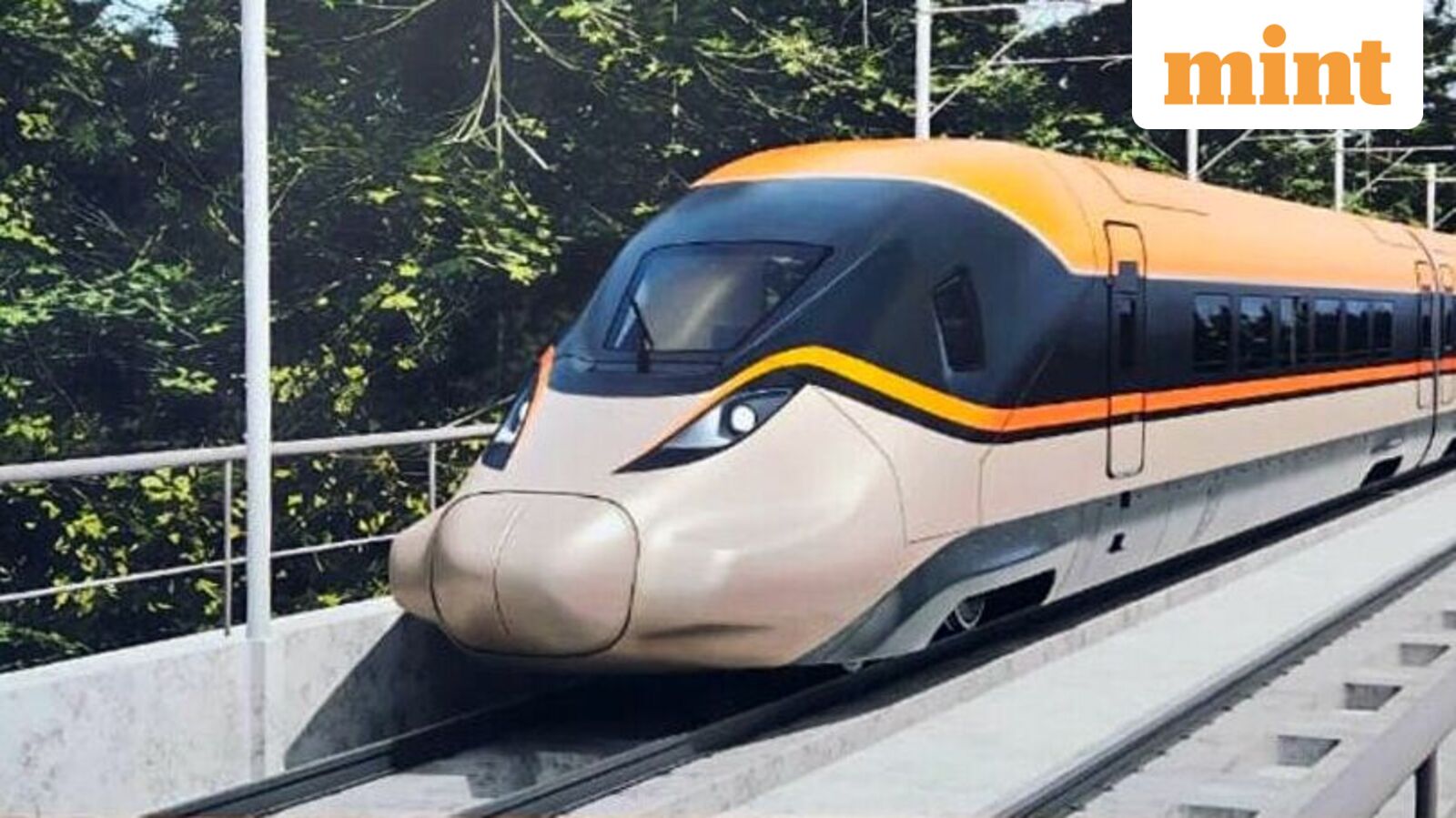
Mumbai-Ahmedabad bullet train: Surat-Bilimora section to begin operations in 2027, says Vaishnaw
Mumbai-Ahmedabad Bullet Train: Surat-Bilimora Segment to Launch in 2027 Theindiapostdaily.com – India’s ambitious Mumbai-Ahmedabad bullet train project is set to make a significant milestone in 2027, as Union Railway Minister…
Mumbai-Ahmedabad Bullet Train: Surat-Bilimora Segment to Launch in 2027
Theindiapostdaily.com – India’s ambitious Mumbai-Ahmedabad bullet train project is set to make a significant milestone in 2027, as Union Railway Minister Ashwini Vaishnaw confirmed that the Surat-Bilimora section will begin operations next year. This development marks a key step forward for the country’s first high-speed rail corridor, which aims to redefine intercity travel and boost regional connectivity. Vaishnaw shared the update during the HYSEA GCCS & IT Roundtable in Hyderabad, highlighting the rapid progress in constructing the 508-km rail line that spans Gujarat and Maharashtra.
Phased Rollout and Project Timeline
The Mumbai-Ahmedabad bullet train project is being executed in a phased manner, with each segment expected to open sequentially once completed. Vaishnaw outlined the timeline, stating that the initial phase will focus on the Surat-Bilimora segment, which is critical for linking key cities in western India. “The first section of the Mumbai-Ahmedabad bullet train will come into service in 2027, and subsequent phases will follow as we ensure the infrastructure is fully operational,” he said. This phased approach allows for continuous improvements and adjustments, ensuring the project remains on track despite the complexity of construction.
Following the Surat-Bilimora launch, the next phases will include the Vapi-Surat segment, followed by Vapi-Ahmedabad and Ahmedabad-Thane sections. The final stretch, connecting Ahmedabad to Mumbai, is anticipated to be completed by 2030. Vaishnaw emphasized that the project’s progress is being closely monitored, with a particular focus on maintaining safety standards and minimizing disruptions to existing railway networks. “The Mumbai-Ahmedabad bullet train will not only reduce travel time but also set a new benchmark for infrastructure development in India,” he added.
Infrastructure Modernization and Station Upgrades
A major part of the project involves modernizing railway stations to accommodate the high-speed train’s needs and enhance passenger experience. Vaishnaw highlighted the government’s “Nav-Nirmaan” initiative, which has already completed 261 stations nationwide, including the historic Secunderabad railway station. “We are transforming Secunderabad into a state-of-the-art facility while keeping train services uninterrupted. This requires innovative planning and execution,” he noted. The upgrades reflect the broader goal of modernizing India’s aging rail network, which is a cornerstone of the country’s economic growth strategy.
The Surat-Bilimora segment, part of the Mumbai-Ahmedabad bullet train, will serve as a model for future infrastructure projects. Vaishnaw stressed that the construction of this section has been a testament to the efficiency and coordination between various agencies. “This phase is being completed with precision, ensuring that the foundation for the entire corridor is strong,” he said. The success of the Surat-Bilimora segment is expected to pave the way for smoother execution of the remaining phases, which will further connect industrial hubs and urban centers across the region.
Impact on Regional Economy and Connectivity
The Mumbai-Ahmedabad bullet train is anticipated to catalyze economic development by reducing travel time between the two major cities from over two hours to just 1 hour. Vaishnaw reiterated that the project will strengthen India’s transportation infrastructure, creating a seamless link between Gujarat and Maharashtra. “This high-speed rail corridor will not only improve mobility but also integrate the economies of these states, fostering trade and tourism,” he explained. The train’s introduction is expected to generate employment and attract investment, particularly in the logistics and manufacturing sectors.
Moreover, the minister pointed out that the project aligns with Prime Minister Narendra Modi’s vision for modernizing India’s transportation network. “The Mumbai-Ahmedabad bullet train is a flagship initiative under Modi’s leadership, showcasing India’s commitment to high-speed rail technology,” Vaishnaw said. The corridor will also serve as a catalyst for other high-speed rail projects, such as the Pune-Hyderabad, Hyderabad-Chennai, and Hyderabad-Bengaluru corridors, which are set to be developed in the coming years. This comprehensive approach to infrastructure development underscores the government’s long-term strategy for national connectivity.
Technological Collaboration and Safety Measures
The Mumbai-Ahmedabad bullet train project benefits from Japanese technical collaboration, which has been instrumental in adopting advanced engineering practices. Vaishnaw praised the partnership, stating that it ensures the project meets international safety and efficiency standards. “The Japanese expertise has helped us design and build a high-speed rail system that is both reliable and future-ready,” he said. This collaboration is expected to set a precedent for future international infrastructure projects in India.
In addition to technical support, the project includes robust safety measures to protect passengers and staff. Vaishnaw mentioned that the construction process has prioritized the use of modern safety protocols, particularly in densely populated areas like Secunderabad. “The Mumbai-Ahmedabad bullet train will operate under strict safety guidelines, ensuring a secure and efficient travel experience for all users,” he emphasized. These efforts are part of a broader plan to modernize India’s rail system and reduce the risk of accidents, making it a safer and more reliable mode of transport.
The successful launch of the Surat-Bilimora segment in 2027 is expected to be a milestone for India’s high-speed rail ambitions. With the Mumbai-Ahmedabad bullet train leading the way, the country is on track to become a global leader in railway infrastructure. Vaishnaw’s announcement has generated optimism among stakeholders, who see the project as a game-changer for regional connectivity and economic growth. As the construction of the remaining phases progresses, the full realization of the Mumbai-Ahmedabad bullet train will serve as a blueprint for future transportation developments in India.