Getting calls from 1600 or 140 series? Know the difference between the two and whether you can block them
Understanding 1600 and 140 Series Calls: How to Block Them and Why They Matter Getting calls from 1600 or 140 series can be confusing for many users.
Understanding 1600 and 140 Series Calls: How to Block Them and Why They Matter
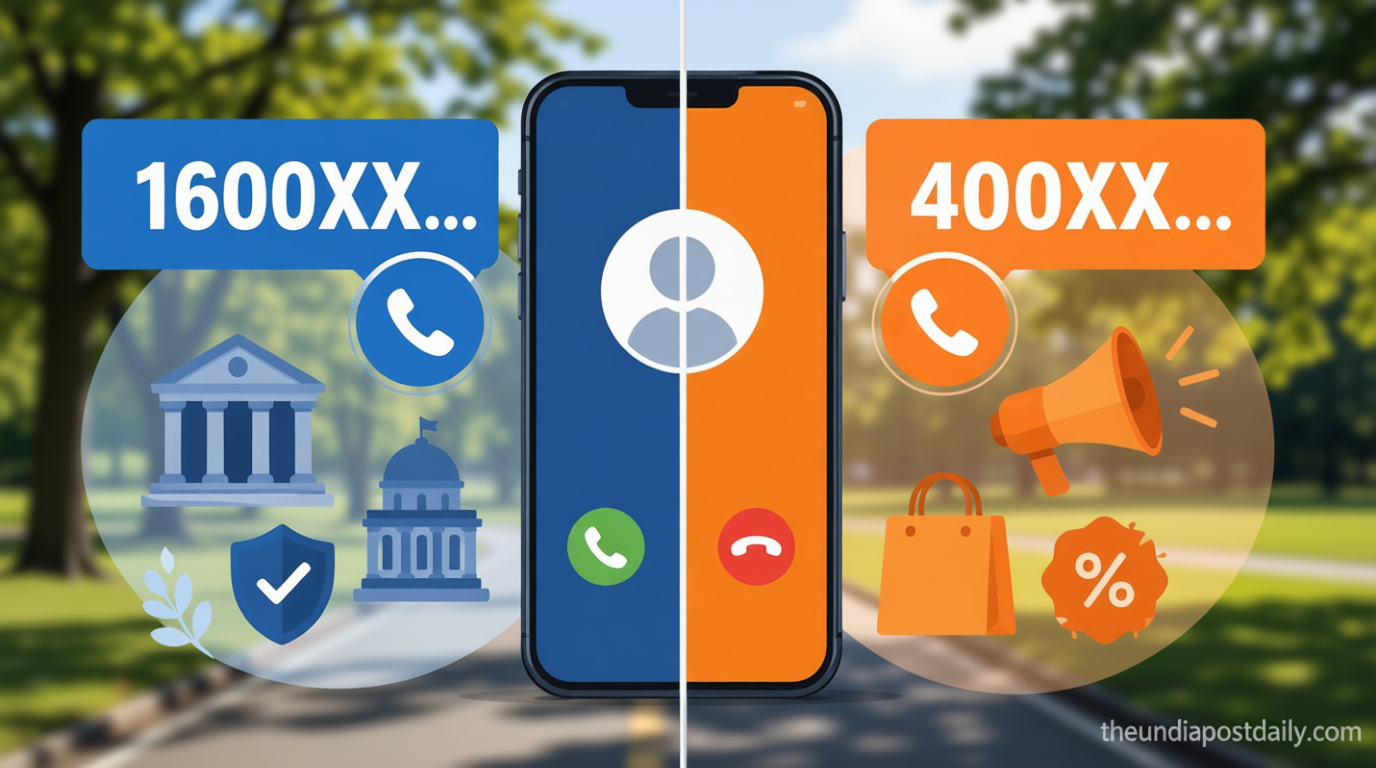
Theindiapostdaily.com – Getting calls from 1600 or 140 series can be confusing for many users. The Telecom Regulatory Authority of India (TRAI) has clarified the distinction between these two number ranges, which are used for different purposes. The 1600 series is primarily for service-related and transactional calls, while the 140 series is reserved for marketing and promotional purposes. Knowing the difference can help you manage unwanted calls more effectively and decide whether to block them based on your preferences.
The Purpose and Structure of 1600-Series Calls
1600-series numbers are allocated to entities that provide essential services, such as banks, insurance firms, and government agencies. These organizations are typically required to use this series for communication regarding account updates, bill payments, loan reminders, and other critical transactions. For example, a call from a 1600 number might be from your bank alerting you to a suspicious transaction or from the Income Tax Department regarding a refund. Unlike 140-series calls, 1600 numbers are generally not subject to blocking under the Do Not Disturb (DND) framework, as they are considered necessary for customer service.
TRAI has emphasized that calls from 1600 numbers are non-blocking by default. This means telecom providers cannot filter or label them as spam unless the user has opted out of all DND categories. These numbers are assigned to specific organizations, ensuring that service-related communications are prioritized and delivered without interruption. However, users still have the option to register for DND if they wish to reduce calls from these numbers, though it may require additional steps compared to 140-series blocking.
The Role of 140-Series Calls in Marketing
140-series numbers are designed for businesses to send marketing and promotional calls, such as advertisements, sales pitches, or product launches. Companies must register with their telecom service provider under TRAI’s Telecom Commercial Communications Customer Preference Regulations (TCCCPR) to use these numbers. This process allows TRAI to track and regulate the use of 140-series numbers, ensuring they are only used for commercial purposes. For instance, a call from a 140 number might come from a telecom company offering a new plan or a retail store promoting a seasonal sale.
One of the key advantages of 140-series calls is that they can be blocked by customers who have registered their preferences with the DND registry. If you opt out of receiving calls from specific sectors, such as finance or retail, you will no longer get 140-series calls from those industries. The TRAI DND App and other designated platforms allow users to update their preferences easily, giving them control over the types of calls they receive. This distinction makes 140-series calls more flexible for users who want to filter out promotional messages.
Differences Between 1600 and 140 Series Calls
TRAI has outlined several key differences between 1600 and 140 series calls, particularly in terms of blocking and usage. The 1600 series is non-blocking by default, meaning it cannot be labeled as spam without the user’s explicit opt-out. In contrast, 140-series calls can be blocked if the recipient has registered with the DND framework. This makes 140-series calls more adaptable to customer preferences, especially for those who want to reduce unsolicited marketing.
Another major difference lies in the entities that use these numbers. While 1600-series calls are from service providers and regulatory bodies, 140-series numbers are typically assigned to private companies. This separation ensures that urgent service-related communications are not mixed with commercial messages. Additionally, the 140 series is subject to stricter regulations, as businesses must adhere to TRAI guidelines to maintain their authorization for using these numbers. This helps ensure that marketing calls are only sent to users who have consented to receive them.
How to Block 140-Series Calls Effectively
Blocking 140-series calls is straightforward and can be done through the TRAI DND App or other online platforms. To begin, users need to register for the DND service by providing their mobile number and selecting the sectors they wish to exclude from receiving promotional calls. For example, opting out of the “finance” sector would prevent calls from 140 numbers associated with banks or insurance companies. Once registered, users can manage their preferences by adding or removing specific sectors, giving them greater control over their communication.
It’s important to note that blocking 140-series calls does not affect service-related calls from 1600 numbers. This distinction allows users to filter out unwanted marketing messages without sacrificing critical communications. Additionally, some telecom providers offer options to block all 140-series numbers at once, which is useful for those who prefer a complete opt-out. Regularly updating your DND preferences ensures that your phone remains free from unnecessary calls, making it easier to focus on important messages.
Disclaimer: This information is for educational purposes only. For the most up-to-date guidelines, please visit the official TRAI website.
Why Understanding These Number Series Matters for You
Knowing the difference between 1600 and 140 series calls helps users make informed decisions about their communication preferences. While 1600-series calls are essential for services like banking and government notifications, 140-series calls can be tailored to individual needs through the DND registry. By understanding how these numbers operate, you can minimize distractions and ensure that your phone receives only the calls you want. This knowledge is particularly valuable in a digital age where unwanted messages can disrupt daily life and productivity.
Moreover, the ability to block 140-series calls empowers users to take control of their privacy. With the rise of automated marketing, being able to opt out of calls from specific industries can significantly reduce the volume of unsolicited messages. This is especially important for users who frequently receive promotional calls and want to prioritize important service-related alerts. By leveraging the DND framework, you can customize your communication experience and ensure that your phone is used efficiently for both personal and professional needs.