Baruipur violence: Bengal CM Adhikari refuses to label auto-rickshaw driver’s killing as ‘lynching’ — What he said?
Baruipur Violence: CM Adhikari Says Auto-Rickshaw Driver's Killing Not Lynching Baruipur Violence Unfolds Amid Community Outcry Baruipur violence has sparked
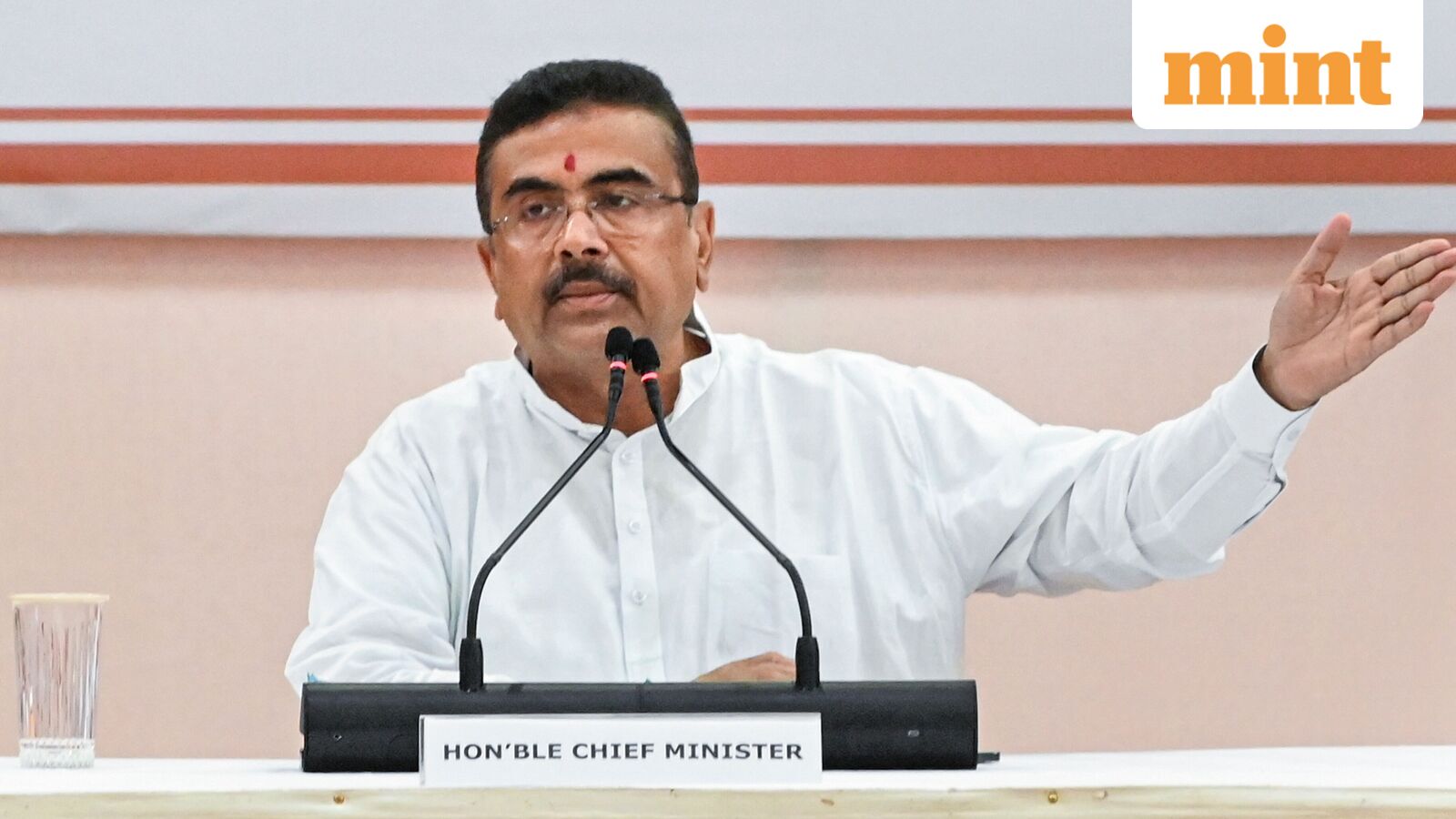
Baruipur Violence: CM Adhikari Says Auto-Rickshaw Driver’s Killing Not Lynching
Baruipur Violence Unfolds Amid Community Outcry
Theindiapostdaily.com – Baruipur violence has sparked nationwide attention as West Bengal’s Chief Minister Suvendu Adhikari categorically dismissed the killing of auto-rickshaw driver Indrajit Mondal as “lynching.” The incident, which took place in the Surjapur Haat area, has drawn sharp criticism from local activists and residents who allege systemic discrimination and mob action. Adhikari emphasized that Mondal’s identity was confirmed prior to the attack, stating that the case involved a targeted act rather than a spontaneous crowd-driven killing. The violence erupted after the body of an 11-year-old girl, who was reportedly raped, was discovered submerged in a pond, triggering outrage and mass demonstrations across the region.
Residents of Baruipur took to the streets in protest, blocking the Baruipur–Joynagar Road and setting tires ablaze as a show of solidarity. The unrest quickly escalated, with police vehicles being vandalized and demands for justice echoing through the area. Adhikari, who visited the girl’s family during the crisis, assured them of government support, presenting an appointment letter and a financial grant of ₹25 lakh to her parents. However, the decision to not label the incident as lynching has fueled debate, with some questioning whether the political response is adequate to address the deep-rooted tensions in the community.
Investigation and Legal Proceedings
The Baruipur violence investigation gained momentum after the girl’s body was recovered on July 4, leading to the arrest of four suspects linked to the alleged rape and murder. One of the accused, Prabash Mondal, was killed in a police encounter while attempting to grab a firearm from an officer during his transport to the crime scene for evidence collection. This action, taken to prevent the escape of a key witness, has been praised by authorities but criticized by some as excessive. Over 35 individuals have since been detained for their involvement in the subsequent riots, with Adhikari highlighting the presence of radical communal elements as potential instigators.
“The evidence clearly shows that Indrajit Mondal was killed as part of a planned operation, not a mob attack. The perpetrators have been identified, and legal proceedings will follow,” Adhikari stated in a press briefing.
Despite the arrests, questions remain about the timeline of events and the role of video footage in the investigation. Adhikari acknowledged the importance of photographic and video evidence in confirming the identities of the accused, but also stressed the need for a thorough inquiry into the circumstances surrounding the incident. The legal charges against the suspects include murder, rape, and conspiracy, with the case expected to be heard in a high-profile court in the coming weeks.
Baruipur Violence and the Road to Justice
The Baruipur violence has highlighted the complex interplay between local grievances and political narratives. Activists argue that the government’s reluctance to classify the act as lynching may downplay the role of public anger in the tragedy. Meanwhile, the administration has focused on restoring order and offering compensation to the victim’s family, which has been seen by some as a step toward resolution. Adhikari’s visit to the Surjapur Rural Police Outpost, where he inaugurated a new facility, symbolized the government’s commitment to strengthening law enforcement in the area.
“This incident is a testament to the challenges we face in ensuring justice for all. The focus is now on delivering the truth through the judicial process,” Adhikari said, addressing the press in a calm yet resolute tone.
As the case progresses, legal experts and human rights organizations are closely monitoring the proceedings. The victim’s family has expressed mixed reactions, with some accepting the government’s support while others continue to demand accountability for the broader social tensions that led to the violence. The Baruipur incident has also reignited discussions about the prevalence of caste-based discrimination in rural Bengal and its role in escalating conflicts.
Public Sentiment and Media Coverage
Public sentiment in Baruipur remains divided, with some residents rallying behind the chief minister’s stance and others criticizing the lack of immediate action. Social media platforms have become a battleground for opinions, with hashtags like #BaruipurViolence and #NotLynching trending as people share updates and call for transparency. The media has played a crucial role in amplifying the voices of those affected, with reports detailing the victims’ backgrounds and the community’s call for justice.
“The Baruipur violence is not just a local issue—it reflects deeper societal fractures. We need to ensure that the victims’ stories are heard, not just by the government, but by the public at large,” remarked a local journalist covering the event.
As the investigation unfolds, the government faces pressure to address both the immediate aftermath and the underlying causes of the violence. Adhikari’s remarks have been interpreted by some as a strategic move to mitigate political fallout, while others see it as an honest attempt to clarify the facts. The case underscores the importance of public trust in the legal system and the role of timely responses in preventing further unrest.
Broader Implications for Governance and Social Unity
The Baruipur violence has sparked a nationwide conversation about governance and social cohesion. With the incident occurring in a region known for its vibrant community life, the government’s handling of the crisis has been scrutinized for its speed and transparency. Adhikari’s insistence on a “planned operation” rather than lynching has been met with both support and skepticism, as citizens debate the merits of the classification and its impact on public perception. The case also raises questions about the balance between law enforcement and civil liberties in high-tension situations.
“The Baruipur violence is a reminder that even in a democracy, justice must be swift and impartial. The government’s role is to protect all citizens, regardless of their background,” said an opposition leader in a statement following the incident.
As the Baruipur violence continues to shape political discourse, the focus remains on the victims and their families. The case is expected to set a precedent for similar incidents, with legal scholars and activists closely watching the outcome. Meanwhile, the community in Baruipur is working to rebuild trust, with local leaders advocating for dialogue and reconciliation in the wake of the tragedy.