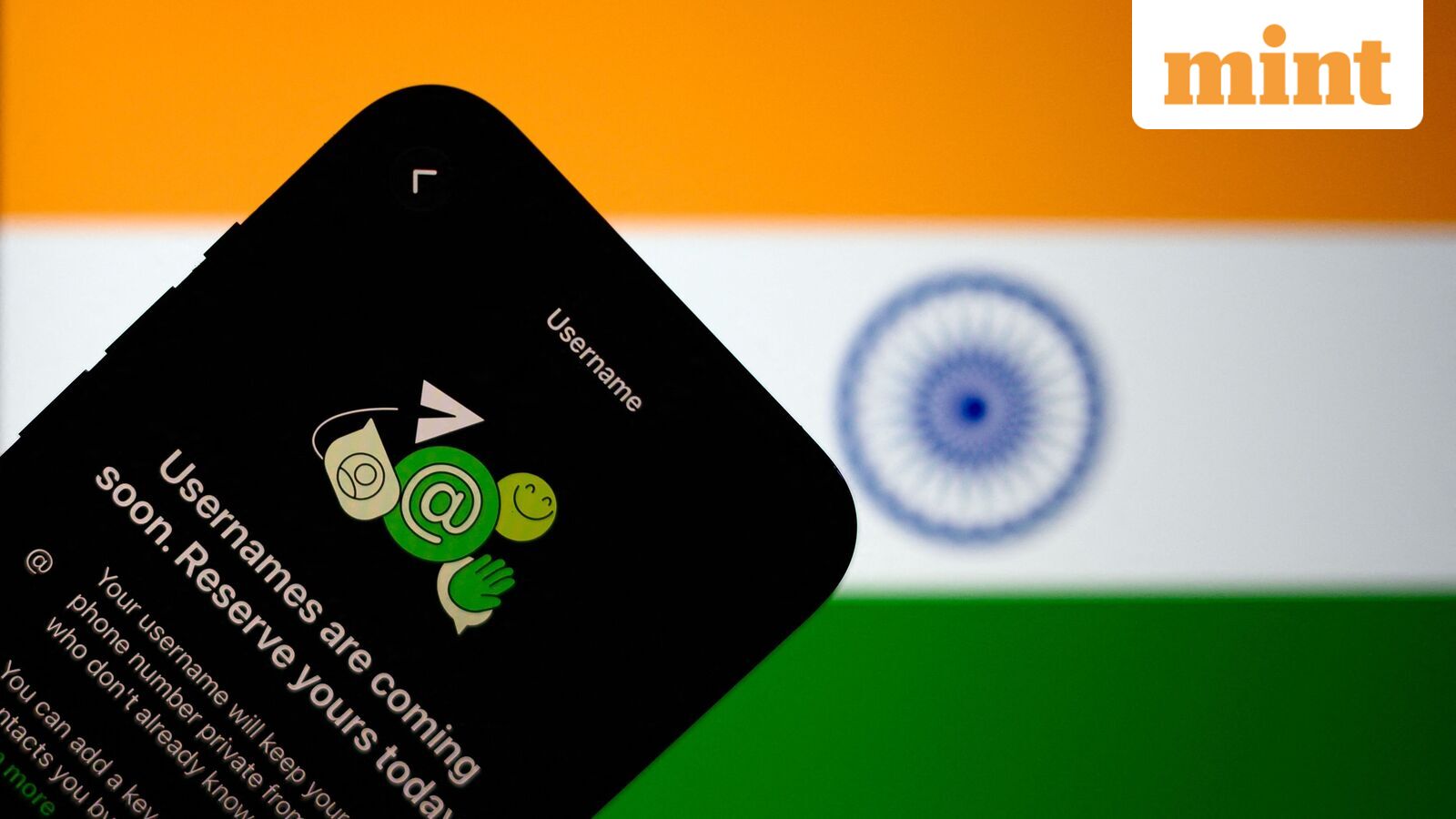
WhatsApp username row: Govt plans standard rules for messaging platforms, says report
WhatsApp Username Row: Government Moves to Standardize Messaging Platform Rules Theindiapostdaily.com – India’s Ministry of Electronics and Information Technology (Meity) is taking steps to introduce standardized regulations for messaging platforms,…
WhatsApp Username Row: Government Moves to Standardize Messaging Platform Rules
Theindiapostdaily.com – India’s Ministry of Electronics and Information Technology (Meity) is taking steps to introduce standardized regulations for messaging platforms, as highlighted in a recent report. The initiative is partly driven by the ongoing WhatsApp username row, which has intensified debates over user privacy and the balance between digital freedom and government oversight. The report suggests that the government aims to create a uniform framework for platforms like WhatsApp, Telegram, and Signal, ensuring consistency in how they handle user identities and data sharing.
Privacy Concerns and Law Enforcement Challenges
The WhatsApp username row has sparked significant concerns among officials about the potential misuse of usernames. Critics argue that allowing users to interact without revealing their phone numbers could obscure digital identities, making it harder for authorities to trace individuals involved in criminal activities. This feature, which lets users choose custom names instead of relying on phone numbers, has raised alarms about increased risks of impersonation, online fraud, and even targeted digital surveillance.
“The introduction of usernames on WhatsApp could lead to new avenues for online scams and identity theft. It also complicates law enforcement efforts, as investigators might struggle to link users to their real-world identities without phone numbers,” stated a government official, citing concerns from internal discussions.
Furthermore, the move reflects broader worries about how messaging apps might influence the flow of information. By standardizing rules, the government seeks to mitigate risks such as false narratives spreading through impersonated accounts, which could impact public discourse and democratic processes. The WhatsApp username row has become a focal point in these discussions, with stakeholders divided on the implications of such a change.
Government’s Regulatory Approach
Meity has reportedly issued notices to multiple messaging platforms, including WhatsApp, Telegram, and Signal, to ensure compliance with new guidelines. These notices emphasize the need for consistent rules across all services, particularly regarding user verification and data sharing. The government’s stance is that usernames, while convenient, could undermine existing systems that tie user identities to phone numbers, a critical tool for tracking and securing communications.
“The rules must apply to all platforms equally. If one service can introduce a username system without restrictions, others should have the same flexibility,” said an official, highlighting the desire for fairness in regulatory enforcement.
Additionally, the ministry is exploring ways to integrate standardized verification processes, which would require users to confirm their real identities before using usernames. This approach aims to address concerns about anonymity while maintaining the ease of use that has made messaging apps popular among millions of Indian users.
Responses from Messaging Platforms
WhatsApp, which has 50 crore users in India, has yet to officially comment on the proposed regulations, though sources indicate the company has submitted its response. Telegram, on the other hand, has already provided feedback, defending its username system as a key feature for user privacy and freedom. Signal, another messaging app, is also under scrutiny for its similar approach to usernames, raising questions about whether it will face similar regulatory challenges.
“Username systems enhance user experience by allowing personalized communication without compromising privacy. They are essential for a free and open digital environment,” said a Telegram representative, as reported in the latest developments.
The WhatsApp username row has also prompted calls for a public consultation process to ensure that the rules reflect the needs and expectations of both users and service providers. While the government seeks greater control, platforms argue that such measures could stifle innovation and user choice, especially in a competitive market where privacy is a key selling point.
Industry Implications and Public Reaction
Industry experts warn that the proposed regulations could reshape the messaging landscape in India, forcing platforms to adapt their features to meet government standards. The WhatsApp username row has not only highlighted regulatory tensions but also sparked a wider conversation about the role of tech companies in shaping digital communication norms. Users, however, remain divided, with some supporting the move as a step toward accountability and others fearing it could lead to overreach.
“This is a critical moment for messaging platforms in India. The WhatsApp username row could set a precedent for how governments regulate digital spaces,” noted a digital policy analyst, underscoring the significance of the debate.
As the government finalizes its approach, the outcome of the WhatsApp username row could influence the future of digital communication, impacting not only how users interact but also the legal and technological frameworks governing the internet. The next phase will likely involve negotiations between the ministry and platforms to strike a balance between privacy and regulatory oversight.