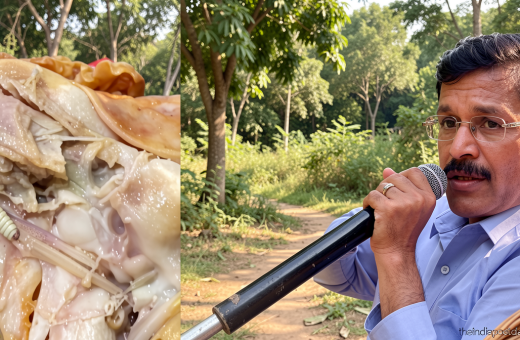
Swiggy Instamart gets 9 FSSAI notices over contaminated eggs & milk, spoilt ‘Kakke da Paratha’, other complaints
Swiggy Instamart Gets 9 FSSAI Notices for Food Safety Issues Theindiapostdaily.com – Swiggy Instamart has faced significant scrutiny from the Food Safety and Standards Authority of India (FSSAI), receiving nine…
Swiggy Instamart Gets 9 FSSAI Notices for Food Safety Issues
Theindiapostdaily.com – Swiggy Instamart has faced significant scrutiny from the Food Safety and Standards Authority of India (FSSAI), receiving nine formal notices over alleged violations of food safety standards. The notices stem from a series of consumer complaints highlighting issues such as contaminated eggs, expired milk, and spoiled items like ‘Kakke da Paratha.’ These concerns were raised under the Food Safety and Standards Act (FSSA), 2006, prompting the FSSAI to investigate the quality and compliance of products sold through the platform. The focus keyword ‘Swiggy Instamart gets 9 FSSAI’ is central to this development, underscoring the growing emphasis on food safety in the e-commerce and delivery sector.
Consumer Complaints and FSSAI’s Findings
The FSSAI’s notices were triggered by a surge in complaints from consumers who reported receiving substandard products through Swiggy Instamart. The authority identified several critical issues, including the sale of expired and contaminated food items, improper packaging, and inadequate hygiene standards during storage and transportation. These findings indicate systemic problems that could compromise public health, especially for vulnerable groups such as children and elderly individuals. The focus keyword ‘Swiggy Instamart gets 9 FSSAI’ reflects the gravity of these issues and the regulatory response.
Among the reported problems, contaminated eggs and milk were a major concern. Consumers claimed that eggs, labeled as organic and fresh, were found to be rotten, emitting foul odors, and unfit for consumption. Similarly, milk products were alleged to have bacterial contamination, raising questions about the supply chain’s adherence to safety protocols. The FSSAI emphasized that such incidents not only violate regulations but also erode consumer trust in the platform’s quality assurance processes.
Compliance Concerns and Corrective Measures
The FSSAI’s notices also highlighted discrepancies in branding and licensing. For instance, ‘NOICE’ Eggs were reportedly sold under a brand not authorized in the current FSSAI license, indicating possible mislabeling or unapproved use of trademarks. Additionally, the authority noted instances where food businesses operated under invalid or mismatched names, suggesting gaps in compliance during vendor onboarding. These issues are critical for Swiggy Instamart, as they must ensure that all products meet FSSAI standards to maintain their reputation and avoid penalties.
Consumers further complained about the state of ‘Kakke da Paratha,’ a popular item on the Instamart platform, which was described as spoiled and emitting an unpleasant smell. This incident underscores the need for stricter quality checks, particularly for perishable goods. The FSSAI has mandated that Swiggy Instamart provide detailed explanations and evidence to address these violations, including root cause analysis and corrective actions. The focus keyword ‘Swiggy Instamart gets 9 FSSAI’ is integral to understanding the regulatory landscape affecting the company’s operations.
One of the key demands from the FSSAI is the implementation of robust quality assurance measures. These include protocols for inventory management, stock rotation, hygiene practices, and storage conditions. The authority also called for transparency in the food supply chain, ensuring that sellers are properly vetted and that products are traceable from source to consumer. Swiggy Instamart’s response to these demands will be crucial in determining whether they can rectify the issues and regain consumer confidence.
FSSAI’s Mandatory Actions for Swiggy Instamart
As part of the FSSAI’s response, Swiggy Instamart has been instructed to submit comprehensive documentation to explain the alleged non-compliances. This includes evidence such as lab reports, supplier records, and internal audit findings. The authority also emphasized the importance of consumer grievance redressal, requiring the platform to provide satisfactory resolutions for each complaint. Failure to comply with these actions could lead to enforcement measures, including fines or temporary suspension of operations.
The FSSAI’s directives are aimed at addressing both immediate and systemic problems. For example, the need for corrective and preventive actions (CAPA) has been highlighted, with the company expected to analyze the causes of contamination and implement measures to prevent recurrence. Additionally, the authority has mandated improvements in traceability systems, ensuring that each product’s journey from warehouse to customer is monitored for compliance. These steps are essential for Swiggy Instamart to demonstrate its commitment to food safety and regulatory adherence.
Overall, the nine FSSAI notices have exposed vulnerabilities in Swiggy Instamart’s supply chain and quality control mechanisms. The focus keyword ‘Swiggy Instamart gets 9 FSSAI’ encapsulates this regulatory challenge, which has the potential to reshape how the company manages its operations. By addressing these issues proactively, Swiggy Instamart can mitigate risks and reinforce its position as a trusted player in the food delivery market.