Monsoon advances into more states; IMD warns of heavy rain in the south
The southwest monsoon has advanced into additional states, marking a significant
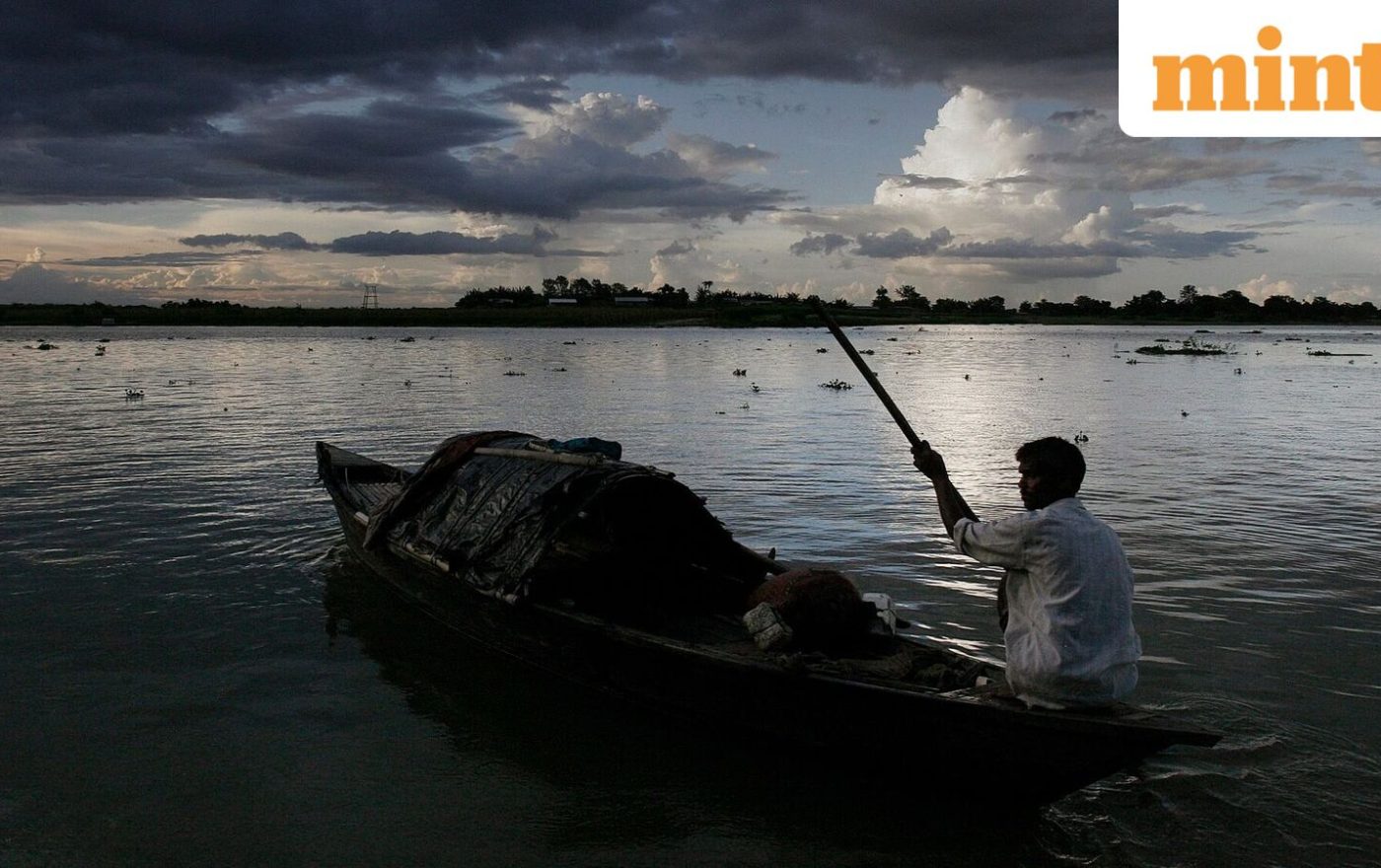
Monsoon Advances into More States; IMD Warns of Heavy Rain in the South
Theindiapostdaily.com – The southwest monsoon has advanced into additional states, marking a significant shift in the weather patterns across India. According to the India Meteorological Department (IMD), the monsoon has now reached Maharashtra, Karnataka, Andhra Pradesh, Telangana, and parts of Tamil Nadu, signaling the beginning of a more widespread rainfall season. This development comes as a relief to farmers and agricultural planners, as timely monsoon rains are critical for the kharif crop planting season. However, the IMD has also issued alerts about the potential for heavy downpours in the southern regions, which could lead to challenges such as flooding and waterlogging in certain areas.
Monsoon Progress and Regional Impact
As of 4 June, Kerala became the first state to witness the monsoon, arriving a day later than its typical start date of 1 June. This early arrival has raised hopes for a robust monsoon season, which is vital for the country’s agrarian economy. The IMD’s latest update highlights that the weather system is expected to spread further into the central Arabian Sea, Maharashtra, and Karnataka in the coming days. The advance of the monsoon is not just a regional phenomenon but a national one, as it directly influences the climate across various parts of the country.
“Conditions are favorable for the southwest monsoon to extend into additional areas such as central Arabian Sea, Maharashtra, Karnataka, Telana, Andhra Pradesh, remaining parts of Tamil Nadu, and the southwest Bay of Bengal over the next few days,” the IMD stated in its Monday forecast. The department has emphasized that this expansion could lead to enhanced rainfall in regions that have been experiencing below-average precipitation so far. Such developments are crucial for replenishing water reservoirs, sustaining groundwater levels, and supporting the agricultural calendar.
Monsoon’s Role in Agriculture and Economy
The advancement of the monsoon has far-reaching implications for India’s agricultural sector, which relies heavily on seasonal rainfall. With the monsoon now reaching more states, farmers in regions like Karnataka and Telangana can begin sowing crops such as rice, maize, and pulses, which require consistent water supply. The IMD noted that a strong monsoon season could lead to increased rural consumption and economic activity, as agricultural productivity is closely tied to the monsoon’s performance. Additionally, the rains may help mitigate the effects of the ongoing heatwave in the northwest, which has been causing stress on both human and livestock populations.
“The southwest monsoon is expected to bring much-needed relief to regions affected by prolonged dry spells,” said an IMD official. The department has warned that while the rains are generally beneficial, the intensity of the downpours in southern states may pose risks to infrastructure and transportation. This is particularly concerning in coastal areas like Kerala, where heavy rainfall could lead to inundation and disrupt daily life. The monsoon’s progress is also being closely monitored in the context of climate change, as erratic weather patterns have become more frequent in recent years.
Western Disturbance and Heatwave Conditions
While the monsoon advances in the south, the northern and western parts of the country are grappling with heatwave conditions. The IMD has predicted that temperatures in regions such as Haryana, Delhi, Punjab, Rajasthan, and Uttar Pradesh will rise by 2-4°C by 11 June, with some areas experiencing scorching heat that could reach 45°C. This dual weather scenario—where the south enjoys heavy rains and the north faces extreme heat—highlights the complexity of India’s climate system.
Simultaneously, a western disturbance is forecast to bring light to moderate rainfall, thunderstorms, and hailstorms to northwest India on 11 and 12 June. These weather events are expected to be accompanied by winds of up to 60 kmph, which could further complicate the situation in already dry regions. The IMD has also warned that the heatwave conditions may persist in scattered areas of Madhya Pradesh and Vidarbha until 11 June, urging authorities to take preventive measures to safeguard vulnerable populations.
“The monsoon’s advance into more states is a positive sign, but the heatwave in the northwest requires immediate attention,” added the IMD spokesperson. With the monsoon advancing, there is a chance that the heavy rains in the south could help offset the drought conditions in some parts of the country. However, the uneven distribution of rainfall remains a challenge, as regions like Odisha and Goa are expected to face hot and humid weather, which may impact both agriculture and public health.
Monsoon Advancement and Future Outlook
As the monsoon continues to advance into more states, the IMD is closely tracking its movement to provide accurate forecasts. The department has mentioned that the spread of the monsoon could lead to a more balanced distribution of rainfall, which is essential for meeting the country’s water requirements. However, the risk of heavy rain in the south remains high, and local authorities are preparing for potential disruptions. The monsoon’s progress is also being compared to previous years, with some analysts noting that this year’s advance is slightly earlier than average, which could have long-term effects on crop cycles and water availability.
Experts emphasize that the monsoon’s advancement into more states is not just a seasonal event but a critical factor in India’s climate resilience. With the country’s annual rainfall contributing to 70% of its total water needs, the IMD’s role in predicting and monitoring these patterns is indispensable. The coming days will be pivotal in determining whether the monsoon will follow a consistent trajectory or if it will face deviations that could affect the agricultural sector. As the monsoon spreads, the focus will remain on ensuring that the rainfall is both timely and adequate to support the nation’s economic and environmental needs.