‘They may even kill me’: Sheikh Hasina, facing death penalty, plans Bangladesh return in December
“They may even kill me,” declared Sheikh Hasina, the former prime minister of Bangladesh, as she announced her
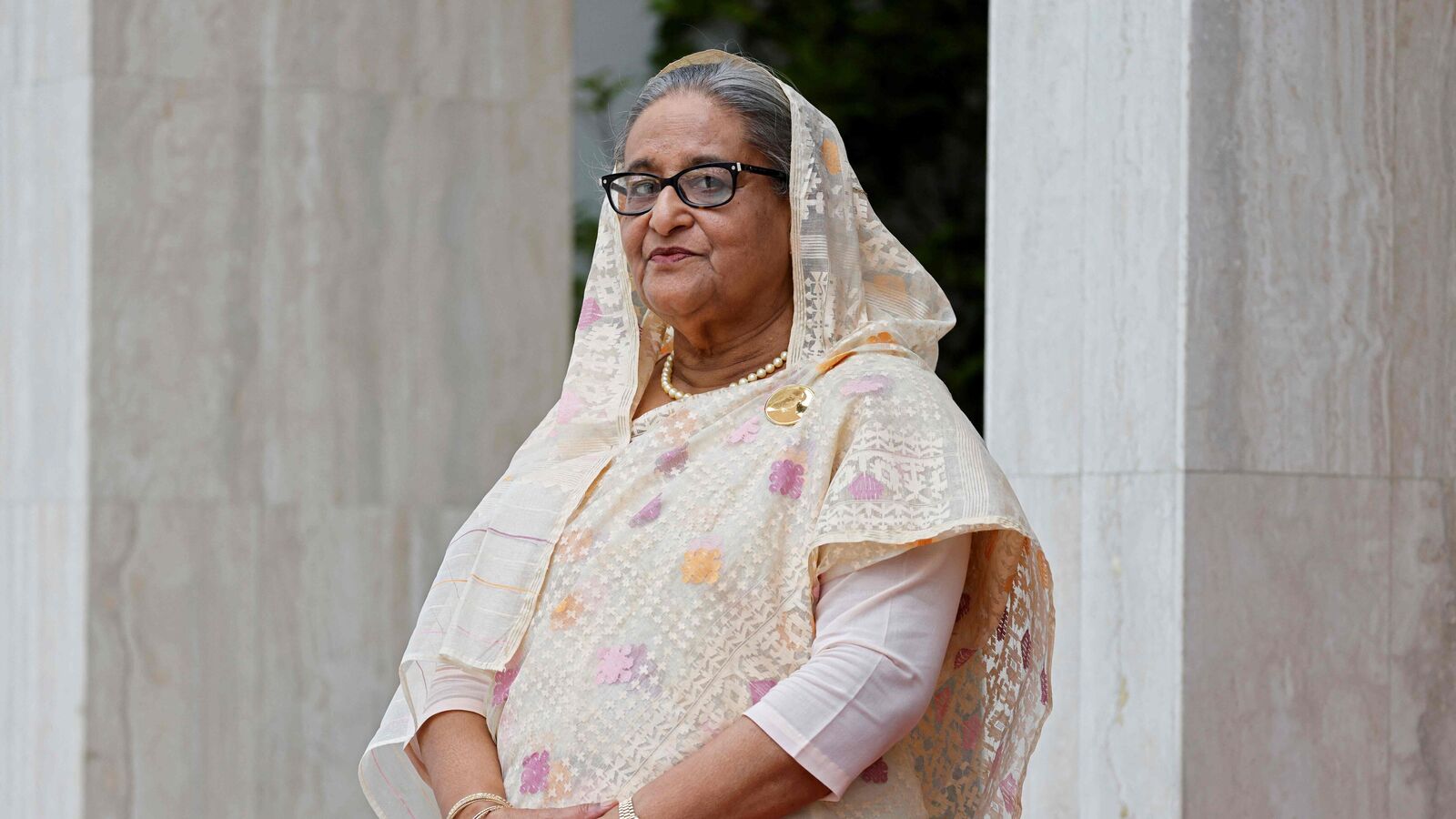
Sheikh Hasina’s Bangladesh Return: A High-Stakes Political Move
Theindiapostdaily.com – “They may even kill me,” declared Sheikh Hasina, the former prime minister of Bangladesh, as she announced her intention to return to the country in December. This bold statement highlights the risks she faces after being charged with the death penalty for alleged involvement in a deadly crackdown during a student-led protest in 2024. Her decision to come back despite the threat of execution underscores her resolve to defend her political legacy and assert her right to stand trial on home soil. With a two-year exile in India, Hasina has remained a symbol of resistance for the Awami League, vowing to reclaim her position in the nation’s leadership.
Risk of Death and Political Resilience
Hasina’s threat of death penalty has intensified since her ousting in July 2024, following widespread unrest that led to the collapse of her 20-year rule. During a recent interview with the Associated Press, she reiterated her readiness to face the consequences:
“They may arrest me, they may even kill me. But I have to go back.”
Her words reflect not only personal courage but also a strategic appeal to the people of Bangladesh, who she believes will ultimately judge her actions. The charges against her include responsibility for the violent dispersal of protesters, which claimed up to 1,400 lives, according to a UN report released in August 2024.
Exile Strategy and International Support
While in India, Hasina has leveraged her global connections to maintain pressure on Bangladesh’s new government. The Awami League, now led by her son Abul Qasem, continues to organize from Delhi, urging supporters to resist the regime’s authoritarian measures. Hasina’s return is framed as a unifying act, with her statement emphasizing that “the people, not the courts, should determine the validity of our leadership.” This narrative aligns with her campaign to portray the current judiciary as biased, while also appealing to Bangladesh’s diaspora for continued solidarity.
Bangladesh’s External Affairs Ministry has stated that it is actively considering Hasina’s extradition, though the process remains uncertain. India, which has hosted her since 2024, has maintained a cautious stance, balancing its diplomatic ties with Bangladesh against the political implications of her trial. Hasina’s presence in India has also allowed her to mobilize international media and activists, amplifying the narrative that she is a victim of political persecution.
Historical Context and Repeated Challenges
Hasina’s journey through Bangladesh’s political landscape has been defined by resilience and conflict. She first fled the country in 1981 after her father’s assassination, later facing detention under military regimes and corruption charges in 2007. Despite these setbacks, she emerged as a dominant leader, winning elections in 2008 and maintaining power until the 2024 protests. Her planned return in December marks another chapter in this long history of resistance, with critics arguing that her actions have always been rooted in a desire to control the nation’s political narrative.
The death penalty, which she faces, has become a focal point of her political struggle. Bangladesh’s judiciary has accused her of ordering the violence during the 2024 uprising, a move seen by some as an attempt to silence dissent. However, Hasina’s allies argue that the charges are politically motivated, aiming to eliminate opposition to the ruling party. Her willingness to accept the risk of execution has been interpreted as both a personal sacrifice and a symbolic act of defiance.
Strategic Timing and Political Implications
Hasina’s return is timed to coincide with a period of political instability in Bangladesh, where the new government is grappling with the aftermath of mass protests and the sudden shift in power. By choosing December, she aims to capitalize on the uncertainty surrounding her trial and the potential for public sympathy. Her coordinated return with other exiled leaders, including former Home Minister Asaduzzaman Khan Kamal, signals a unified front against the current regime.
While the exact details of her surrender remain unclear, her statements suggest a calculated approach to re-entering the political arena. Hasina has hinted that her trial could expose the “farce” of the judicial process, further rallying support for the Awami League. Her campaign highlights the ongoing tension between Bangladesh’s democratic aspirations and its authoritarian practices, with the focus keyword “They may even kill me” echoing the risks she and her supporters are willing to take in pursuit of justice.